Water Damage Restoration in Fort Myers
Water Damage Cleanup, Drying, and Moisture Recovery
Water damage restoration in Fort Myers focuses on removing excess water, drying affected materials, and addressing moisture after leaks, flooding, roof damage, plumbing failures, or storm-related water intrusion. Because wet building materials can also create conditions that support indoor mold growth, restoration and mold-related services may sometimes overlap depending on how long materials remained damp and which areas were affected.
A water damage restoration professional can evaluate the affected materials, begin extraction and drying, and help reduce the risk of structural damage or subsequent mold growth.
Fort Myers humidity can slow natural drying, making moisture monitoring and timely restoration especially important.
How Water Damage Can Contribute to Indoor Mold Problems
Water damage restoration is designed to solve problems such as:
Flooding caused by storms or heavy rainfall
Water intrusion from roof leaks or plumbing failures
Excess moisture trapped inside walls, flooring, or ceilings
Conditions that can lead to mold growth and structural damage
When moisture has spread into enclosed or porous materials, drying should address more than the visible surface. Properties affected by flooding, roof leaks, plumbing failures, or storm-related water entry may also require follow-up for hidden moisture or mold concerns.
How Water Damage Restoration Works
The restoration process should follow the path of the water—from the original source to any materials or enclosed areas that remain damp. Depending on the situation, the work may include:
01
Water-Damage and Safety Review
The affected area should be reviewed to identify the water source, how far moisture has spread, which materials are wet, and whether standing water, electrical concerns, contaminated water, or structural damage requires additional precautions.
02
Extraction and Drying Plan
The drying plan should reflect the source of water, affected materials, moisture depth, access conditions, how long the materials have remained wet, and whether removal, dehumidification, or mold-related follow-up may be needed.
03
Water Removal and Structural Drying
Depending on the conditions, restoration may involve standing-water removal, air movement, dehumidification, targeted removal of unsalvageable materials, and drying of walls, flooring, insulation, framing, or other affected assemblies.
04
Moisture Monitoring and Drying Verification
Moisture readings should be monitored during the drying process to determine whether affected materials are responding as expected and whether hidden damp areas require additional work.
05
Repair and Moisture-Prevention Recommendations
Follow-up recommendations may address plumbing or roof repairs, drainage, ventilation, damaged materials, humidity control, or mold inspection when moisture has remained for an extended period.
How Fort Myers Conditions Affect Water Damage Drying and Restoration
Fort Myers humidity can slow evaporation and make storm- or flood-related drying more difficult. Coastal exposure, heavy rainfall, and repeated water intrusion can also affect how long materials remain wet.
Heavy Rainfall and Storm-Related Water Intrusion
Tropical storms, hurricanes, wind-driven rain, and roof damage can introduce large amounts of water into wall, ceiling, attic, and flooring systems.
High Humidity That Can Slow Drying
Fort Myers humidity can reduce natural evaporation, making dehumidification and moisture monitoring important even after standing water has been removed.
Low-Lying, Coastal, and Flood-Prone Properties
Properties near waterways or in low-lying areas may experience repeated flooding, storm surge, drainage problems, or groundwater-related moisture.
Hidden Moisture and Mold-Prevention Concerns
Water can remain inside wall cavities, beneath flooring, behind cabinets, or within insulation after visible surfaces appear dry.
Effective restoration should verify that affected materials are drying properly rather than relying only on surfaces that appear dry.
When to Request Water Damage Restoration
Water damage restoration may be appropriate when water is still present, materials remain damp, or moisture has spread into walls, flooring, ceilings, insulation, attics, or other enclosed areas.
Standing water or visible water intrusion
Warped flooring, stained walls, or ceiling damage
Persistent dampness or musty odors indoors
Recent flooding, plumbing leaks, or storm-related damage
The extent of drying should be based on where the water traveled and which materials remain wet, not only on whether standing water is still visible.
How Water Damage Can Contribute to Indoor Mold Problems
Moisture that remains inside drywall, flooring, insulation, cabinetry, framing, attics, crawlspaces, or other enclosed areas can create conditions that support indoor mold growth. The risk depends on the materials involved, how long they remain damp, ventilation, humidity, and whether the original water source has been corrected.
Hidden Moisture in Walls, Flooring, and Enclosed Areas
Water can travel beyond the visibly affected area and remain behind drywall, beneath flooring, inside insulation, or around cabinets and other enclosed materials. These areas may stay damp even after standing water has been removed or exposed surfaces appear dry.
High Humidity and Slow Drying
Fort Myers humidity can slow evaporation and make it more difficult for wet building materials to dry naturally. Materials that remain damp for longer periods may require dehumidification, air movement, moisture monitoring, or other drying measures.
Flooding, Roof Leaks, and Plumbing Failures
Storm flooding, wind-driven rain, roof damage, and plumbing leaks can introduce water into multiple building assemblies at once. The extent of the indoor mold concern may depend on how far the water traveled and whether porous materials remained wet after the initial event.
When Mold-Related Follow-Up May Be Appropriate
Musty odors, visible growth, recurring staining, or unexplained moisture after drying may indicate that further mold evaluation is appropriate. Depending on the property conditions, the next step may involve mold inspection, testing, remediation, or additional water damage restoration.
Addressing the water source and drying affected materials are therefore important parts of reducing the conditions that can support indoor mold. When mold-related warning signs remain after restoration, the affected areas and moisture history should be evaluated together.
Related Mold Services After Water Damage
After water intrusion, mold-related services may become relevant when moisture remains hidden, odors develop, materials stayed wet for an extended period, or visible growth appears after drying.
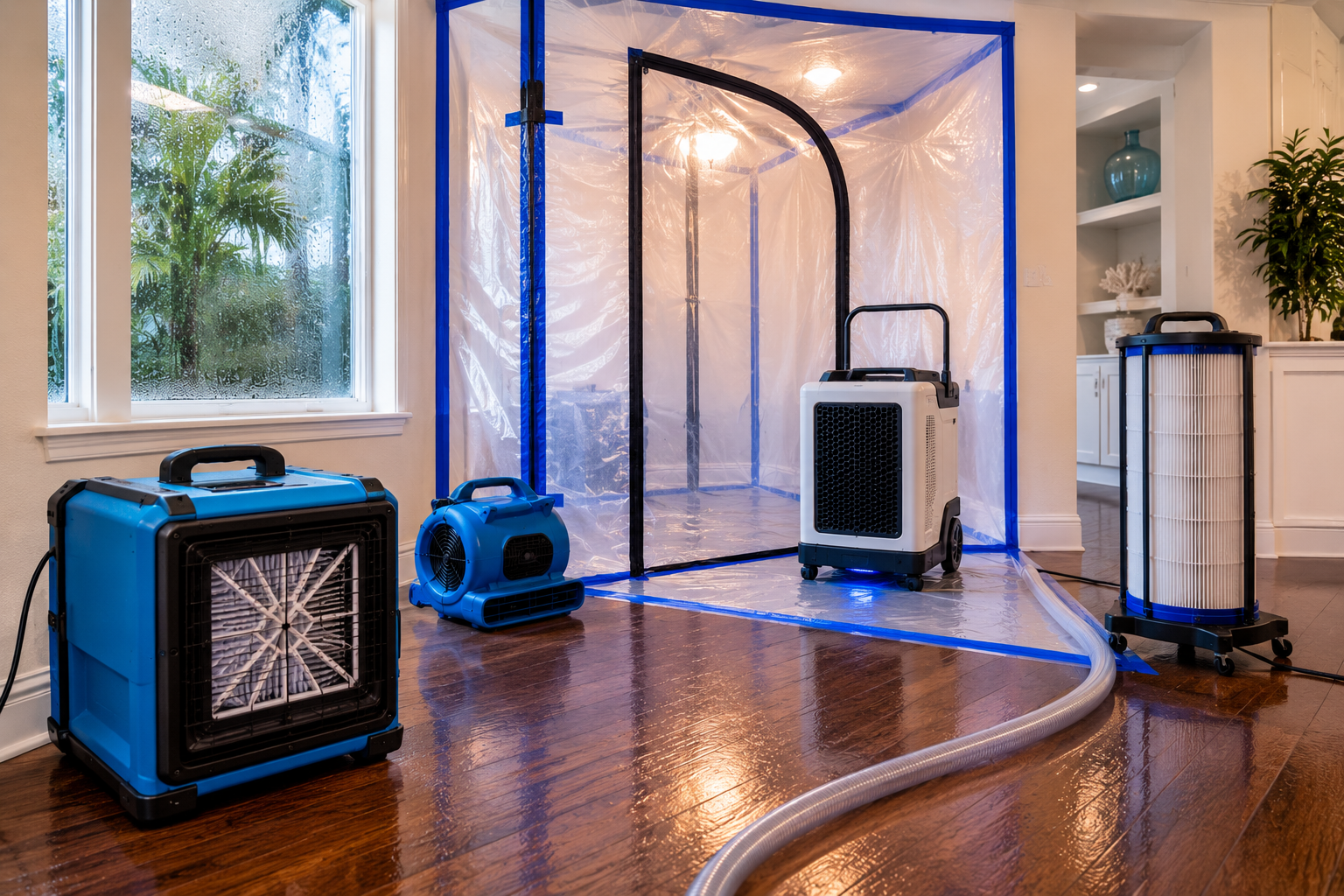
When water-damaged materials also show visible growth, recurring musty odors, or other signs of indoor mold, remediation may be appropriate after the water source and drying conditions have been evaluated. The scope should reflect which materials remain affected and whether hidden moisture is still present.
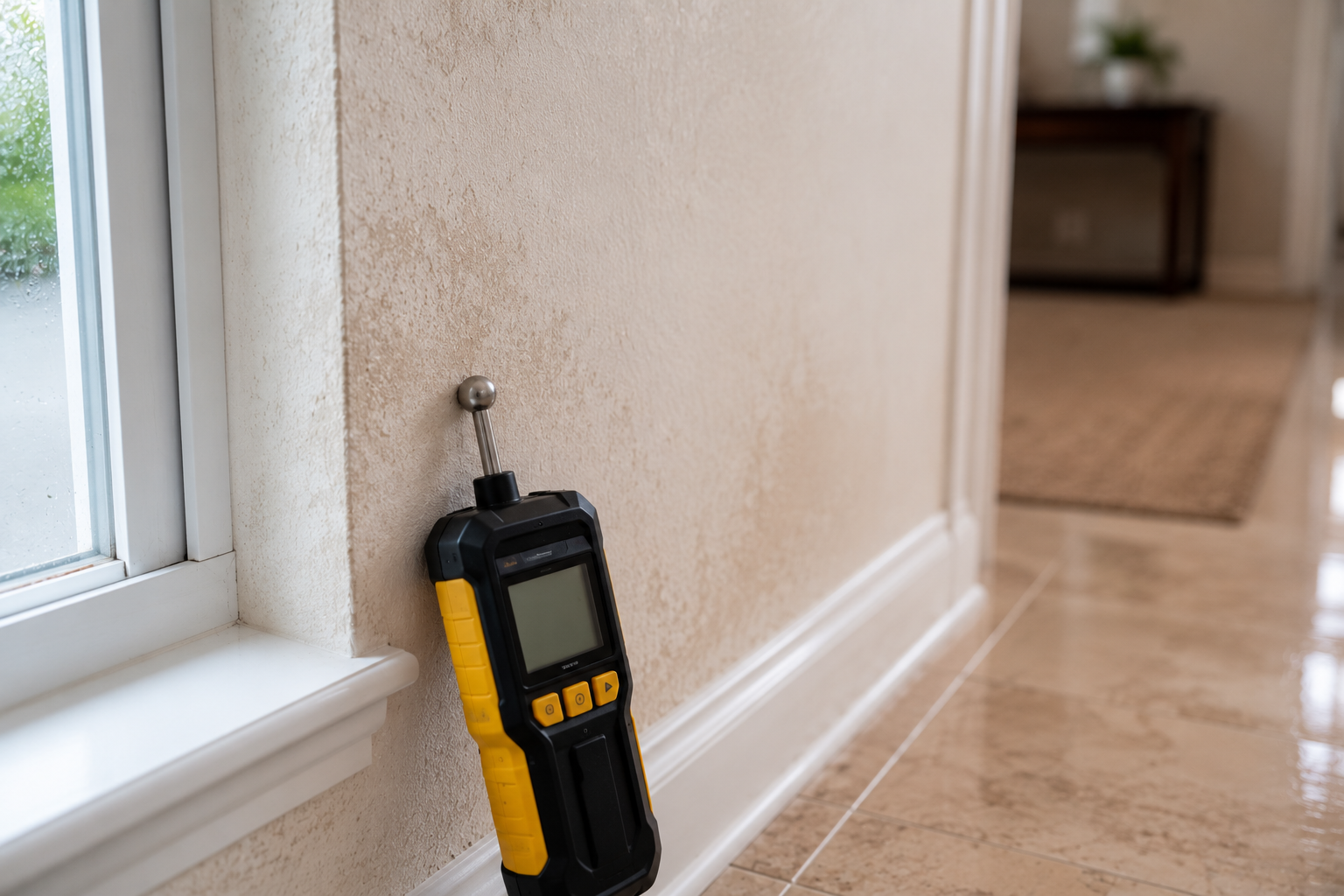
When odors, staining, or moisture concerns remain after water damage restoration, mold inspection can help investigate hidden damp areas and locations where indoor mold may have developed. Findings can help determine whether remediation, testing, or additional drying is appropriate.
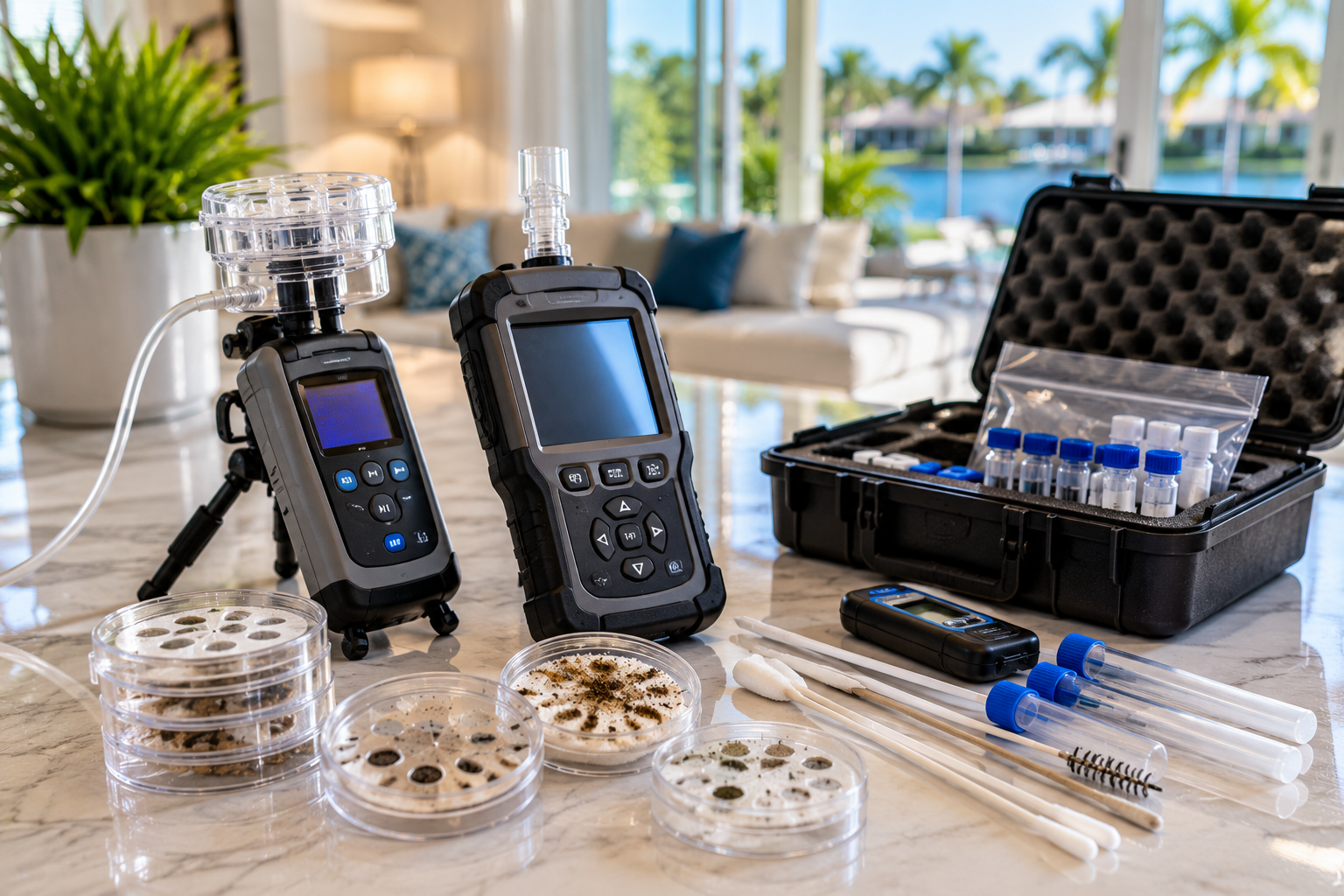
Mold testing may provide additional information when indoor mold is suspected after water damage but inspection findings leave a specific question unresolved. Sampling should be considered together with the affected materials, moisture history, drying conditions, and purpose of the assessment.
Helpful Water Damage and Mold Resources Before Requesting an Estimate
After water damage, the next step depends on how long materials stayed wet, whether hidden moisture remains, and whether mold-related warning signs have appeared. These resources can help clarify whether inspection, remediation, emergency response, or longer-term moisture control should follow restoration.

Flooding, plumbing failures, roof damage, and major water intrusion can create urgent water-damage and indoor mold concerns when materials remain wet. Review when water damage restoration, structural drying, containment, and mold remediation may need to be considered together.
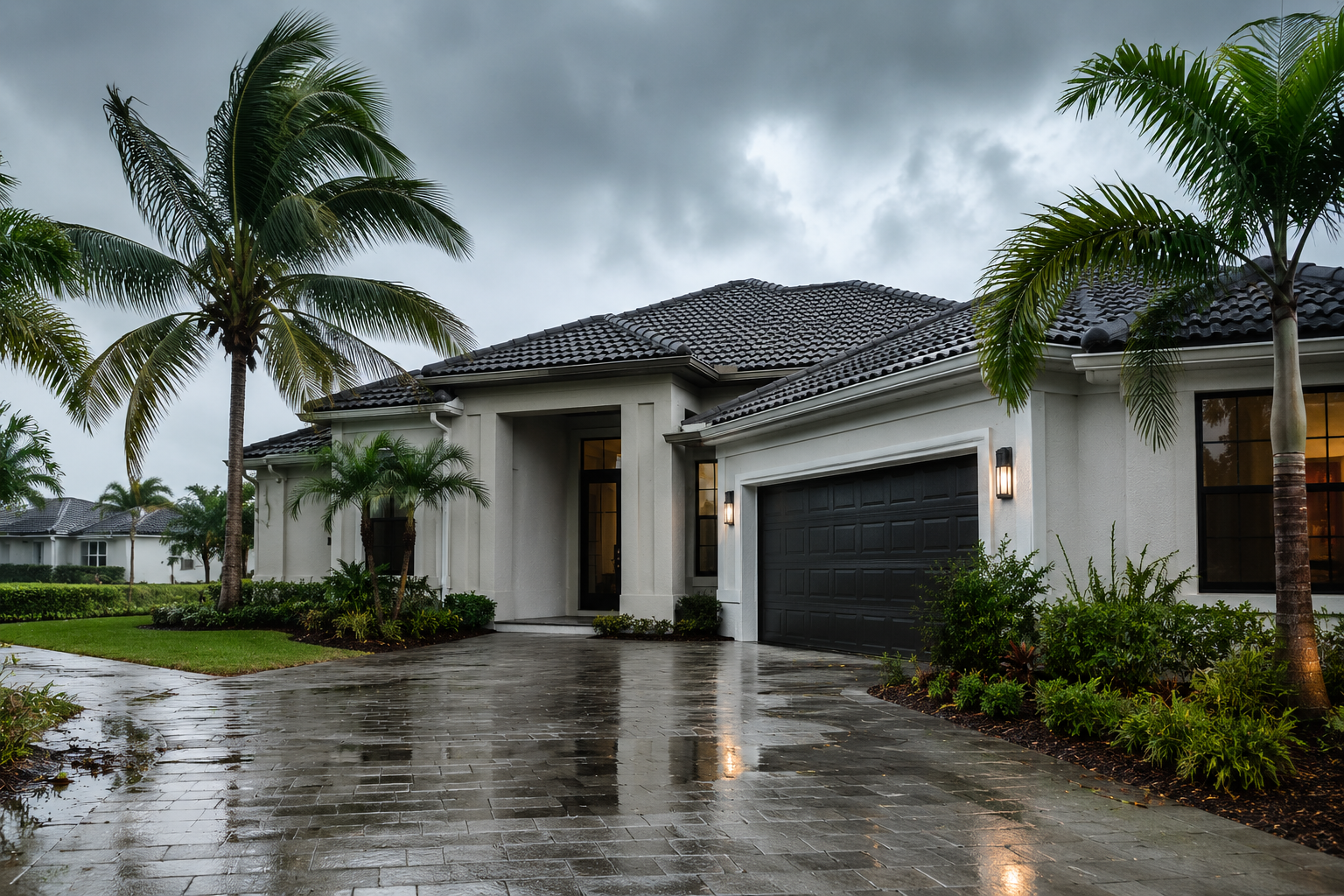
Heavy rainfall, wind-driven rain, flooding, and roof damage can leave hidden moisture inside walls, flooring, insulation, and other enclosed materials. A post-storm inspection can help identify conditions that may require additional water damage restoration or evaluation for indoor mold.
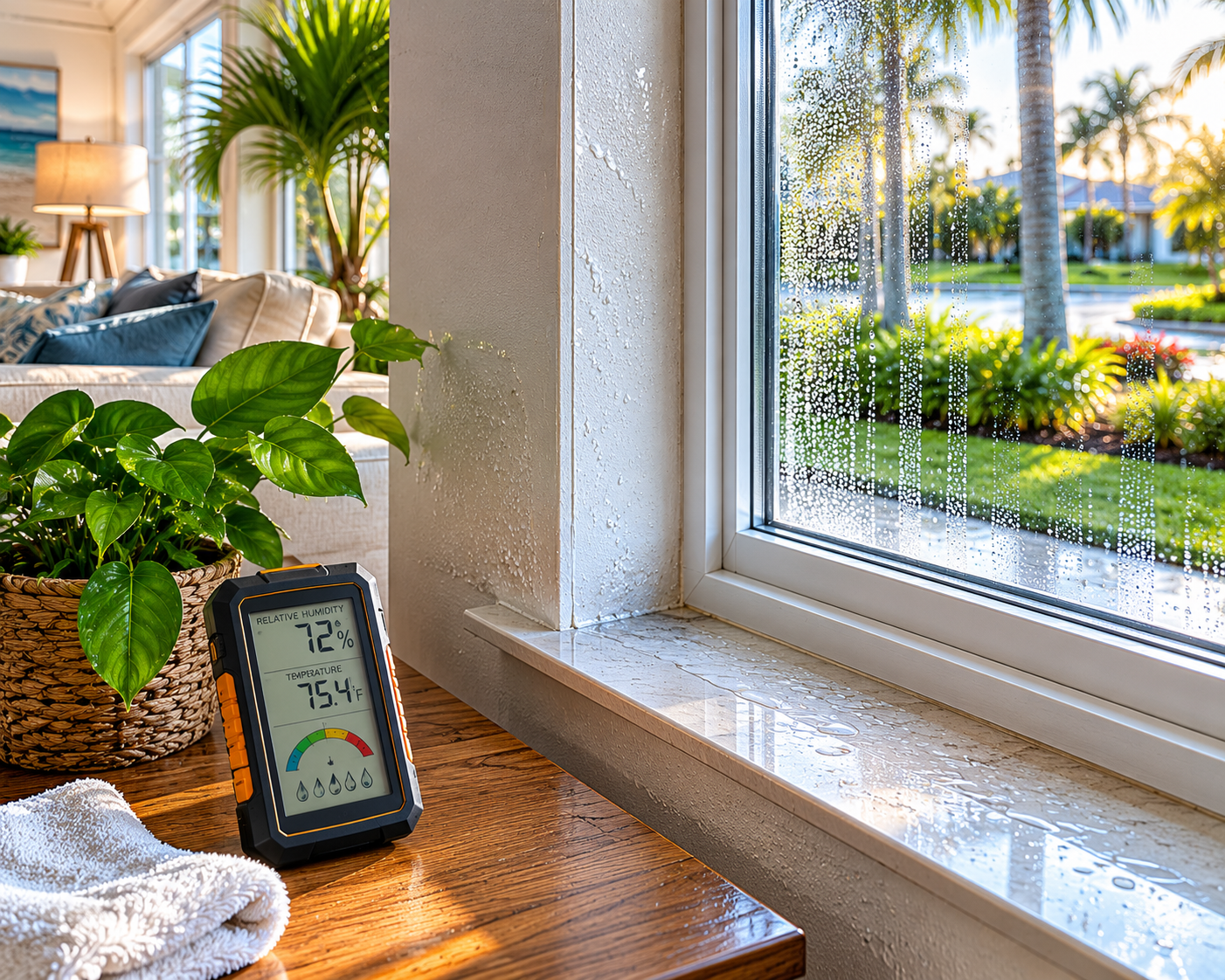
Musty odors, recurring staining, visible growth, or persistent dampness after water damage restoration may indicate that moisture remains or indoor mold has developed. Review warning signs that can help determine whether inspection, testing, or remediation should follow drying.
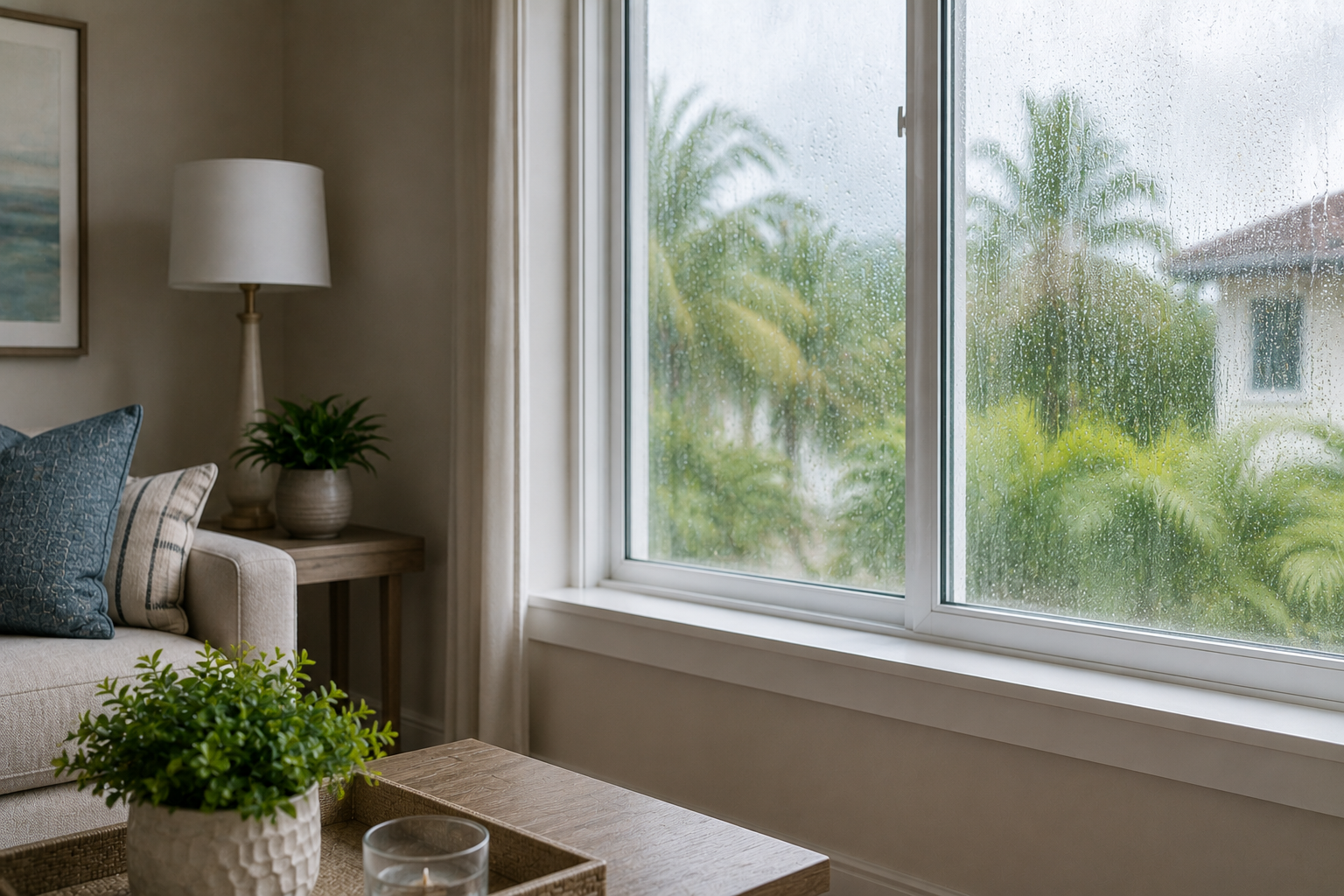
Drying after water damage is only one part of reducing future indoor mold concerns. Humidity control, leak repair, drainage, ventilation, and ongoing moisture management can help address the conditions that allow building materials to remain damp after restoration.
Cost Factors for Water Damage Restoration
Project cost depends on how far water has spread, which materials are affected, how quickly drying begins, and whether removal or reconstruction is necessary.
Scope of water damage
Materials requiring removal or replacement
Accessibility of affected areas
Complexity of restoration and moisture mitigation
Equipment and drying methods required
LOCAL ESTIMATE RANGE
$1,200 - $5,000*
*Requires on-site evaluation for accurate pricing
Request an Estimate
We will get back to you as soon as possible.
Please try again later.
Water Damage Restoration in Fort Myers and Nearby Lee County Communities
Water-damage conditions across Lee County vary with rainfall, drainage, storm exposure, elevation, coastal location, property access, and how long materials remained wet. Service information is available for Fort Myers and nearby communities including:
Water-damage conditions across Lee County can differ significantly between inland properties, low-lying neighborhoods, and coastal areas exposed to storm surge or wind-driven rain.
Request a Water Damage Restoration Estimate
Flooding, plumbing failures, roof leaks, and storm-related water intrusion can allow moisture to spread into walls, flooring, insulation, and other enclosed areas.
Describe the source of the water, when the event occurred, and which areas remain wet or damaged to request restoration guidance.
Thanks for contacting us! We will be in touch with you shortly.
Please try again later.
Water Damage Restoration FAQs for Fort Myers Properties
What should I do after discovering water damage?
First address any immediate safety concern and stop the water source when it is safe to do so. Then document the affected areas and contact a water damage restoration professional to evaluate extraction, drying, damaged materials, and the possibility that moisture has moved into walls, flooring, insulation, or other enclosed spaces.
What does water damage restoration include?
The scope may include water extraction, removal of unsalvageable materials, structural drying, dehumidification, moisture monitoring, cleaning, and measures to reduce additional damage. The exact response depends on the water source, affected materials, accessibility, and how far the moisture has spread.
How can water damage lead to mold growth?
Wet drywall, insulation, flooring, wood, and other building materials can support mold growth when they remain damp. Fort Myers humidity, heavy rainfall, flooding, and storm-related water intrusion can make thorough drying and moisture monitoring especially important.
When are mold inspection, testing, or remediation needed after water damage?
A mold inspection may be appropriate when musty odors, staining, visible growth, or unexplained moisture remain after the initial drying work. Testing may be considered when the extent is unclear or documentation is needed, while a licensed mold remediator may be required when significant mold contamination has developed.
Can water-damaged materials always be saved?
Not always. Whether a material can be dried and restored depends on what it is made from, how wet it became, how long it remained affected, and whether contamination or deterioration is present. A water damage restoration professional can help determine which materials can be dried and which may require removal.