Emergency Mold Remediation in Fort Myers
Emergency Mold Remediation for Flooding, Water Damage, and Rapid Growth
Emergency mold concerns often develop when major water intrusion leaves materials wet and indoor mold becomes a concern before the property has fully dried. Flooding, roof failures, plumbing leaks, storm surge, and other sudden water events can create situations where water damage restoration, drying, containment, and mold remediation need to be considered together.
A qualified local mold professional can help review the urgency, affected areas, and likely moisture source. When regulated remediation is required, a licensed mold remediation professional can develop an appropriate scope involving containment, removal or cleaning of affected materials, filtration, drying, and moisture correction. Fort Myers heat, humidity, and storm exposure can make timely moisture control especially important.
Visible mold spreading quickly across surfaces
What Can Make a Mold Problem Urgent After Water Damage
Urgency is usually determined by the amount of water involved, how long materials have remained wet, the extent of affected areas, and whether contamination appears to be expanding into porous or concealed materials.
Significant Flooding or Water Intrusion
Flooding, plumbing failures, roof damage, or storm-related water entry can wet large areas of drywall, insulation, flooring, cabinetry, framing, or other porous materials.
Mold-Like Growth Appearing Soon After a Water Event
Visible growth or staining that develops or expands after flooding or a major leak may indicate that moisture remains in affected materials or concealed areas.
Saturated Materials That Are Not Drying
Wet insulation, drywall, flooring, ceilings, or other porous materials may require extraction, drying, removal, or broader restoration work.
Multiple Areas Affected at the Same Time
A water event affecting several rooms, wall cavities, floors, or enclosed areas can require a broader evaluation than a small isolated moisture concern.
The first priority is determining whether active water, saturated materials, containment needs, or spreading contamination requires immediate stabilization.
If you're unsure whether your situation requires urgent service, review the signs of mold in your home to better understand early warning indicators.
Don’t wait — request an evaluation to prevent further damage
What Emergency Mold Remediation Addresses
Emergency remediation may address conditions such as:
Mold growth affecting materials after significant water intrusion
Contamination extending through walls, ceilings, flooring, insulation, or other porous materials
Moisture remaining inside enclosed areas after flooding or a major leak
Situations where containment, drying, cleaning, or removal may need to begin promptly
The appropriate response depends on whether water is still present, which materials are affected, how accessible the area is, and whether contamination appears localized or widespread.
For a full overview of long-term solutions, see our mold remediation services page.
How Emergency Mold Remediation Works
A typical emergency project follows a structured process focused on speed and containment:
01
Urgency, Water Source, and Affected-Area Review
The initial review should identify the water source, when the event occurred, which materials are wet or visibly affected, and whether contamination appears to be spreading beyond the original area.
02
Containment and Emergency Response Plan
The response plan should reflect the extent of water and mold damage, affected materials, access, whether areas are still wet, and which spaces need containment, drying, cleaning, or material removal.
03
Containment, Filtration, and Material Handling
Depending on conditions, work may involve containment barriers, air filtration, controlled cleaning, removal of materials that cannot be adequately treated, and measures to limit debris or contamination outside the work area.
04
Structural Drying and Moisture Review
Walls, flooring, insulation, framing, and other affected materials should be evaluated during drying to determine whether moisture levels are improving and whether concealed damp areas require additional work.
05
Moisture-Source Correction and Follow-Up Recommendations
Follow-up may involve plumbing or roof repair, additional water-damage restoration, ventilation or humidity control, removal of remaining wet materials, or further assessment when hidden areas remain uncertain.
How Fort Myers Storms and Water Damage Can Create Urgent Indoor Mold Concerns
High humidity and slow drying can add complexity after a major water event in Fort Myers. When moisture reaches walls, flooring, insulation, attics, crawlspaces, or other porous materials, both the water-damage scope and the potential indoor mold conditions should be evaluated.
Tropical Storms, Flooding, and Major Water Intrusion
Fort Myers properties can experience roof damage, wind-driven rain, flooding, plumbing failures, and other water events that affect multiple materials or enclosed spaces at once.
High Humidity and Slow Drying
Persistent humidity can slow evaporation after a major water event, particularly in enclosed spaces or when HVAC operation and ventilation are limited.
Attics, Crawlspaces, Walls, and Other Hidden Areas
Water can migrate into roof assemblies, wall cavities, crawlspaces, insulation, flooring systems, and other locations where the extent of dampness is not immediately visible.
Low-Lying and Coastal Flood Exposure
Properties affected by flooding or storm surge may have moisture extending through lower wall materials, flooring, cabinets, structural areas, and other porous components.
For example, emergency situations often involve areas like attic mold or crawlspace mold, which require specialized handling.
Emergency response should follow the actual water path and affected materials rather than rely solely on how much mold is visible at the surface.
When to Request Emergency Mold Remediation
Emergency remediation may be appropriate when significant water intrusion and mold growth are occurring together or when wet materials and visible contamination are affecting a larger portion of the property.
Mold-like growth is expanding after flooding, plumbing failure, or roof damage
Drywall, insulation, flooring, ceilings, or other porous materials remain saturated
Visible mold or strong musty odors are appearing in multiple affected areas
A major storm or water event has affected walls, floors, attics, crawlspaces, or concealed materials
Water removal or drying has begun but contamination is already visible
If you’re still evaluating the situation, reviewing the signs you need mold remediation can help confirm whether immediate action is needed.
If active water damage is the primary concern and the extent of mold is still unclear, water damage restoration or mold inspection may need to come before a full remediation scope is established.
Prompt Evaluation Can Help Limit Additional Moisture Damage
Areas That May Need Urgent Attention After Water Intrusion
Emergency mold remediation may be appropriate for urgent situations such as:
Walls, Ceilings, and Insulation After Flooding
Water can move into drywall, insulation, framing, and wall cavities beyond the area that appears visibly wet.
Attics and Roof Assemblies After Storm Damage
Roof leaks and wind-driven rain can affect decking, framing, insulation, ceilings, and other materials above the living space.
Crawlspaces and Lower Areas With Standing Moisture
Flooding, runoff, plumbing failures, or drainage problems can leave lower structural materials damp and difficult to access.
Flooring, Cabinets, and Other Porous Materials
Finished flooring, underlayment, cabinets, trim, and other porous materials can trap moisture after flooding or plumbing failures.
More complex contamination may involve specialized services such as black mold remediation.
The urgency depends on how wet the materials remain, whether the water source has been stopped, and whether affected areas can be adequately dried or cleaned.
Cost Factors for Emergency Mold Remediation
Emergency project costs depend on the amount of water and contamination involved, the materials affected, containment and drying requirements, accessibility, and whether work must begin before broader repairs can proceed.
Severity and spread of mold contamination
Equipment and containment systems needed
Speed and urgency of response required
Moisture mitigation and drying complexity
Accessibility of affected areas
LOCAL ESTIMATE RANGE
$1,500 - $6,000*
*Requires on-site evaluation for accurate pricing
For detailed pricing, visit: Cost of Mold Remediation in Fort Myers
Related Services for Urgent Mold and Water Damage Concerns
Flooding, plumbing failures, roof damage, storm-related water intrusion, and rapidly spreading mold can require different services depending on the property conditions. Explore these related options to better understand the appropriate next step before requesting emergency assistance.
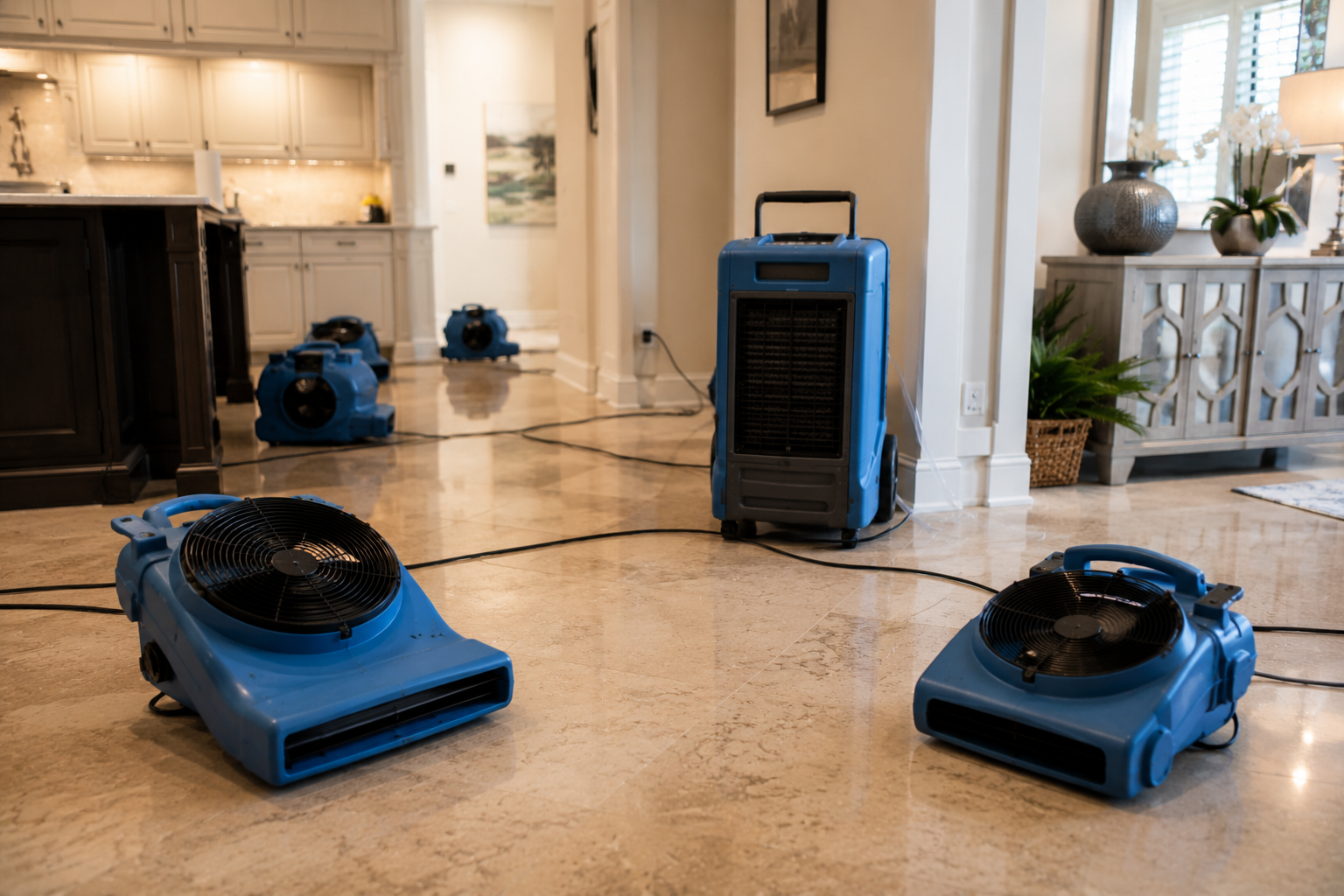
Standing water, saturated materials, and hidden moisture may require extraction, structural drying, dehumidification, and moisture monitoring. Water damage restoration can help stabilize the property and address wet conditions that may continue supporting mold growth.
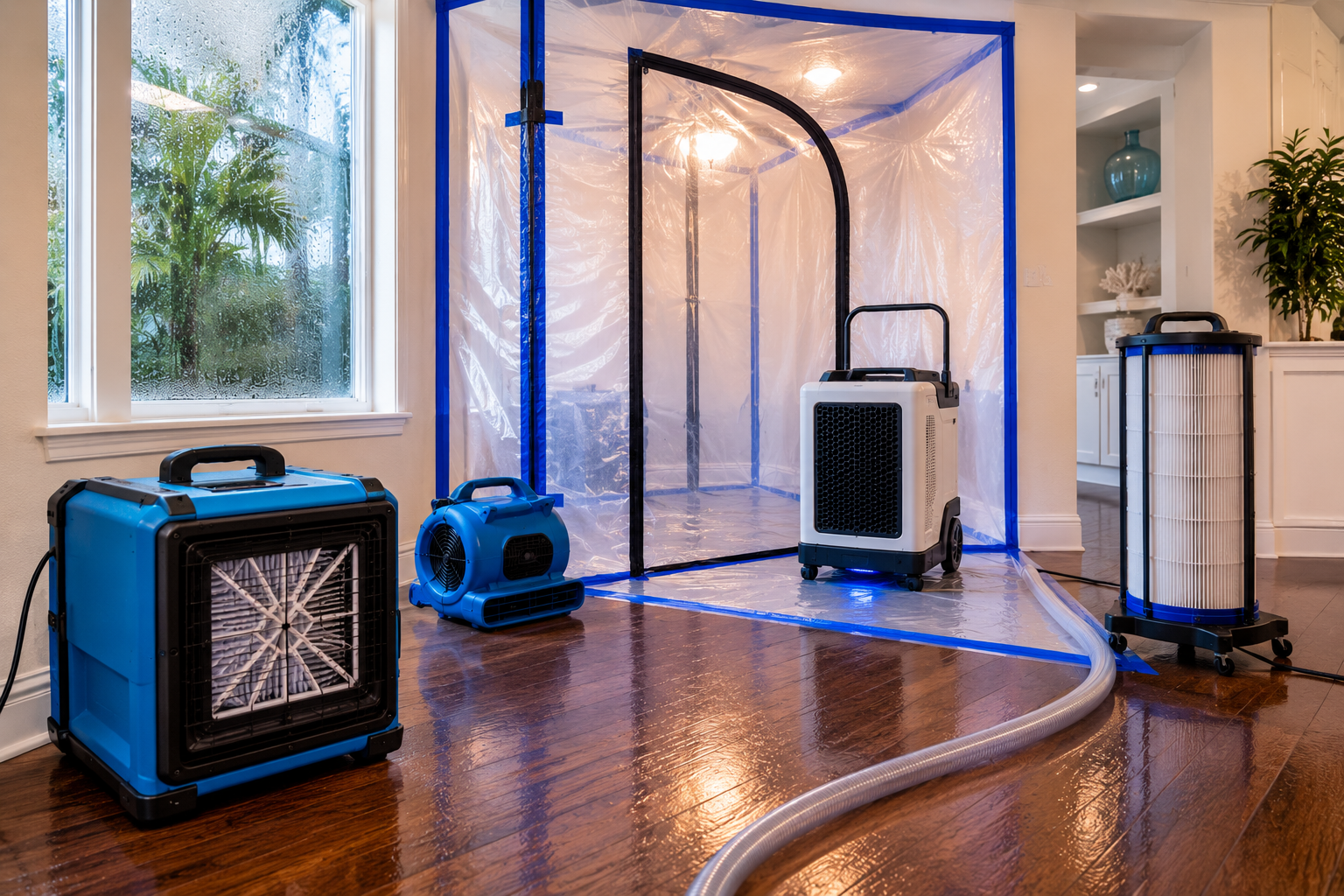
When mold is already spreading through walls, flooring, insulation, ceilings, or other affected materials, a broader remediation plan may be required. Review the full remediation process, including containment, material removal or cleaning, filtration, drying, and moisture correction.
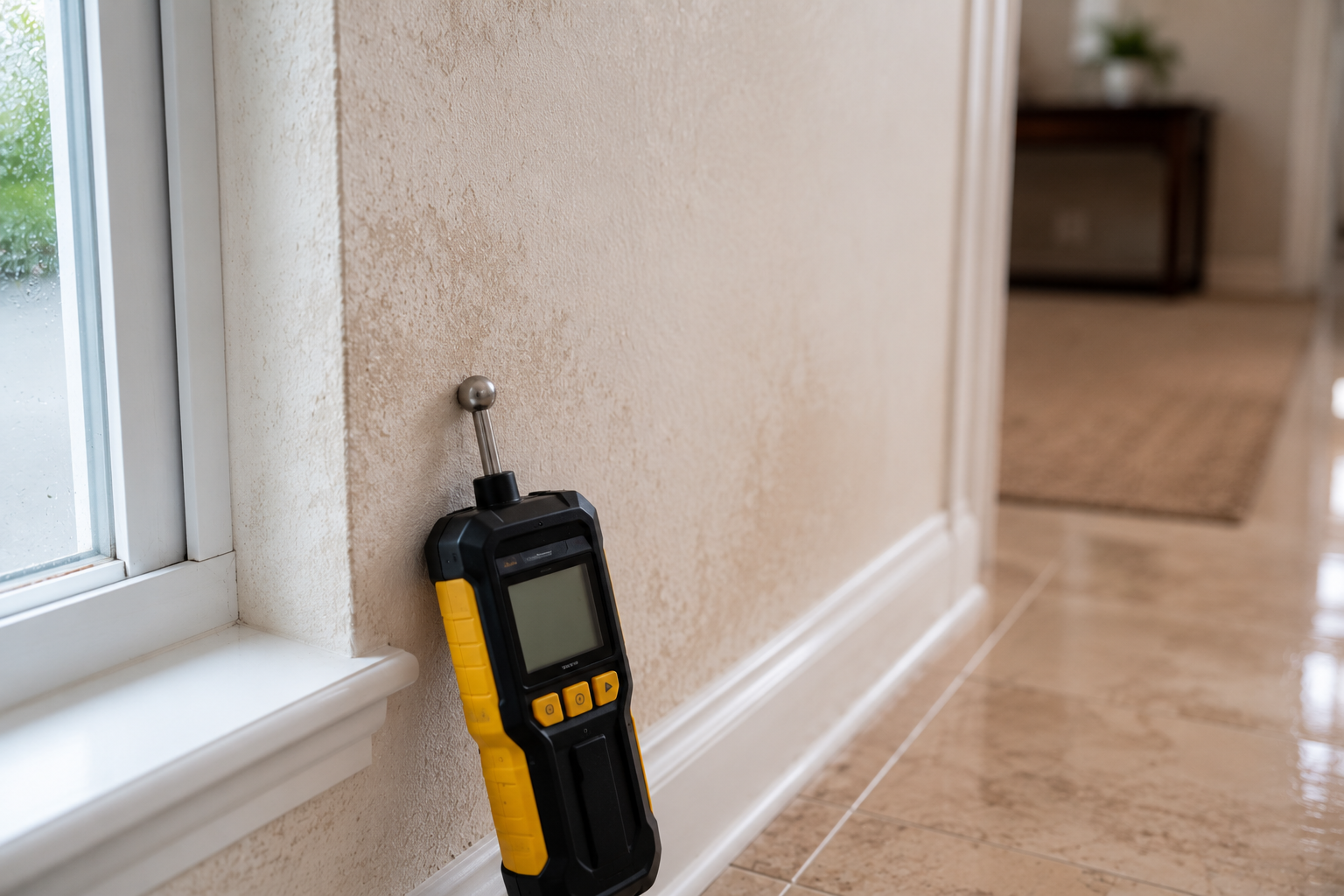
A mold inspection may be more appropriate when moisture intrusion has occurred but the location or extent of mold growth remains unclear. Inspection can help identify visible and hidden areas of concern before determining whether emergency remediation is necessary.
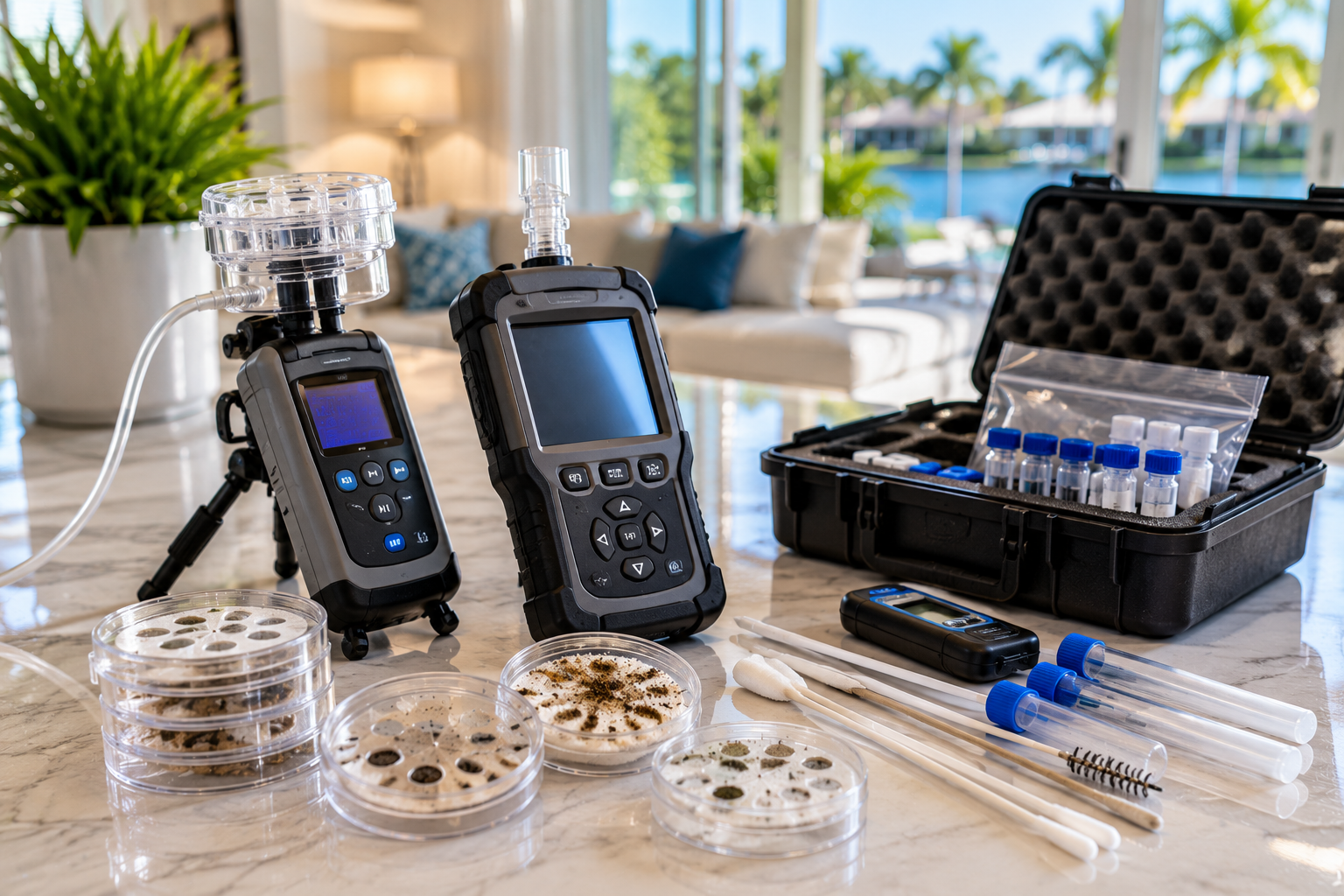
Testing may be useful when suspected contamination is hidden, documentation is needed, or sampling could help answer a specific question about the affected property. It should support an inspection and moisture evaluation rather than replace them.
Request Emergency Mold Remediation Assistance in Fort Myers
Urgent mold and water-damage concerns can occur across Fort Myers and Lee County after tropical storms, flooding, roof failures, plumbing breaks, or other major water events. The appropriate response can differ depending on the affected materials, accessibility, and whether extraction or drying is already underway. Service information is available for:
Connect With a Local Mold Remediation Professional
Sudden mold growth after flooding, plumbing failures, roof damage, or significant water intrusion may require prompt evaluation. Share what happened, when the water event occurred, which areas are affected, and whether materials remain wet so the urgency and appropriate response can be reviewed.
Request an Estimate
Tell us what caused the water or moisture problem, when it occurred, and which rooms or materials are affected. Include whether standing water, damp drywall or flooring, visible growth, strong odors, or storm damage are still present.
Thanks for contacting us! We will be in touch with you shortly.
Please try again later.
Emergency Mold Remediation FAQs for Fort Myers
What situations may require emergency mold remediation in Fort Myers?
Urgent assistance may be appropriate when mold appears or spreads rapidly following flooding, storm damage, a plumbing failure, roof leak, or significant water intrusion. Widespread contamination, saturated building materials, strong musty odors, and moisture affecting multiple rooms may also require prompt evaluation.
Why can water-damage-related mold problems become urgent in Southwest Florida?
Warm temperatures and persistent humidity can slow the drying of walls, flooring, insulation, attics, crawlspaces, and other enclosed areas. When a Fort Myers property has experienced significant water intrusion, identifying and stabilizing affected areas promptly can help limit additional moisture damage and contamination.
What happens during an emergency mold-remediation response?
The initial response generally involves reviewing the water or moisture source, affected materials, visible mold conditions, accessibility, and the potential for contamination to spread. Depending on the findings, the next steps may include containment, water removal, drying, removal of damaged materials, filtration, and a broader remediation plan.
Is emergency mold remediation the same as water damage restoration?
No. Water damage restoration focuses primarily on extracting water, drying materials, and stabilizing areas affected by leaks or flooding. Mold remediation focuses on containing and addressing mold contamination and correcting the conditions that supported its growth. A significant water event may require both services.
When might a post-storm inspection be more appropriate than emergency remediation?
A post-storm inspection may be the better first step when the property experienced rain, roof damage, or possible water intrusion but no widespread or rapidly developing mold problem is visible. Emergency remediation may be more appropriate when contamination is already present, spreading, or associated with extensive wet materials.
What details should I provide when requesting emergency assistance?
Explain what happened, when the water or mold problem began, which areas are affected, and whether water is still present. Information about flooding, plumbing failures, roof damage, visible growth, odors, damp materials, and previous drying or cleanup efforts can help a local mold remediation professional review the situation.