Signs You Need Mold Remediation in Fort Myers
Mold Warning Signs, Causes, and When to Take Action
Musty odors, visible discoloration, recurring dampness, water stains, or mold that returns after surface cleaning may indicate a larger moisture-related problem. Growth can remain hidden behind walls, beneath flooring, inside attics, or around other areas affected by leaks, humidity, or water intrusion.
A qualified local mold professional can help determine whether inspection, testing, moisture control, water damage restoration, or remediation may be appropriate based on the warning signs and the property’s moisture history. Fort Myers humidity, seasonal storms, and heavy rainfall can allow these conditions to develop or worsen when the underlying moisture source remains unresolved.
Common Causes of Mold Growth
Several conditions can contribute to mold growth in Fort Myers properties, especially when moisture is allowed to remain indoors for extended periods. In many cases, mold develops because a property has ongoing humidity, water intrusion, limited airflow, or hidden moisture inside building materials.
Excess Indoor Humidity, Especially During Warmer Months
Fort Myers properties often deal with high indoor humidity, especially during warmer months when outdoor moisture levels stay elevated for long periods. When humid air enters the home or builds up indoors, moisture can collect on walls, ceilings, windows, flooring, and other surfaces, creating conditions that may support mold growth over time.
This can contribute to:
- High indoor humidity during warm and humid weather
- Condensation forming on cooler interior surfaces
- Moisture building up on walls, ceilings, and flooring
- Damp conditions that remain in the home for long periods
- Conditions that may allow mold growth to develop
Water Damage From Leaks, Flooding, or Roof Issues
Leaks, flooding, plumbing problems, and roof-related water intrusion are some of the most common causes of mold growth. When water enters a property and affected materials are not dried thoroughly, moisture can remain inside drywall, wood, flooring, ceilings, or insulation and create the conditions mold needs to grow.
Common water-related causes include:
- Plumbing leaks inside walls or beneath fixtures
- Roof leaks or water intrusion during heavy rainfall
- Flooding or standing water inside the property
- Damp materials that do not dry completely
- Ongoing moisture exposure that allows mold to spread
Poor Ventilation in Enclosed Spaces Like Attics and Crawlspaces
Attics, crawlspaces, and other enclosed areas can trap warm, moist air when ventilation is limited. In Fort Myers, this can become especially important because humid conditions and restricted airflow may allow moisture to build up in wood framing, insulation, subfloor areas, and other concealed materials.
This can contribute to:
- Limited airflow in enclosed areas
- Warm, stagnant air remaining trapped
- Moisture buildup in attics and crawlspaces
- Damp conditions in wood, insulation, and structural materials
- Conditions that may support mold growth in hidden spaces
Moisture Trapped in Walls, Flooring, or Insulation
Moisture does not always remain visible on the surface. Water can become trapped behind walls, beneath flooring, or inside insulation, where it may remain unnoticed for long periods. Because these areas often dry slowly, mold can develop behind the scenes before the problem becomes obvious inside the living space.
Hidden moisture problems may involve:
- Dampness inside wall cavities
- Moisture trapped in insulation
- Water beneath flooring or subfloor materials
- Areas that cannot dry easily or evaporate properly
- Mold growth developing in concealed building materials
Mold problems often begin with excess moisture rather than visible growth alone. When humidity, water damage, poor ventilation, or trapped moisture are affecting a property, a professional evaluation can help determine whether mold inspection, testing, water damage restoration, or mold remediation may be the appropriate next step.
Common Signs of Indoor Mold in Fort Myers Properties
Indoor mold does not always appear as an obvious patch of visible growth. Musty odors, recurring discoloration, damp materials, hidden moisture, or problems that return after cleaning can all justify a closer look at the property conditions.
Persistent Musty or Damp Odors Indoors
A persistent musty or damp smell is often one of the earliest signs of hidden mold growth. In many Fort Myers properties, these odors develop when moisture remains trapped in walls, flooring, cabinetry, insulation, or other enclosed areas, allowing mold to grow out of sight while the smell spreads through the indoor air.
This may indicate:
- Hidden moisture inside walls, floors, or other building materials
- Mold growth developing in areas that are not immediately visible
- Damp indoor air circulating through the property
- Ongoing humidity or moisture problems that are not fully drying out
- A need for further inspection to identify the source of the odor
Visible Mold Growth or Dark Spots on Walls, Ceilings, or Floors
Visible mold growth or dark spotting on interior surfaces is a clear warning sign that a moisture problem may already be affecting the property. Whether it appears on drywall, ceiling corners, baseboards, flooring edges, or other surfaces, visible growth often means excess moisture has been present long enough for mold to develop and begin spreading.
Common signs include:
- Dark spots or staining on walls, ceilings, or floors
- Discoloration near baseboards, windows, vents, or corners
- Mold growth appearing around damp or previously water-damaged areas
- Surface growth that seems to expand over time
- Visible signs that moisture may be affecting nearby materials as well
Recurring Mold Despite Cleaning or Treatment
If mold keeps coming back after being cleaned or treated, the underlying moisture source has likely not been resolved. In Fort Myers homes, recurring mold is often tied to hidden leaks, ongoing humidity, poor ventilation, water intrusion, or moisture trapped behind surfaces, which means the problem may be deeper than what appears on the surface.
This can suggest:
- A hidden moisture source is still active
- Surface cleaning is not addressing the root cause
- Mold is returning from behind walls or beneath materials
- Ventilation or drying problems are allowing moisture to persist
- A more complete remediation approach may be needed
Indoor Air Quality or Comfort Concerns
Changes in indoor air quality can sometimes accompany persistent humidity, hidden moisture, musty odors, or other damp indoor conditions. These concerns may be more noticeable in rooms with limited ventilation or areas where moisture remains concealed behind finishes or inside building materials.
This may be associated with:
- Persistent musty or stale indoor air
- Rooms that feel unusually damp or humid
- Odors that become stronger in certain areas
- Hidden moisture in walls, flooring, attics, or other enclosed spaces
- A need to investigate both the moisture source and surrounding property conditions
The moisture source may remain hidden even when staining, odors, or visible growth appear somewhere else in the property. Identifying how and where moisture is accumulating can help determine whether inspection, testing, drying, moisture control, or remediation may be appropriate.
Potential Risks of Ignoring Mold and Moisture Warning Signs
When visible mold or moisture warning signs are connected to an unresolved water source, delaying evaluation can allow affected materials or concealed damp areas to remain exposed.
Damage to Drywall, Wood, Flooring, and Other Materials
Persistent moisture can weaken or stain porous materials and may increase the amount of cleaning, drying, removal, or repair required.
A Larger Remediation or Restoration Scope
A small visible area may not represent the full moisture problem when water has moved behind walls, beneath flooring, or through insulation.
Ongoing Odors and Indoor Comfort Concerns
Musty odors and damp indoor conditions may continue when the underlying humidity, leak, or water intrusion has not been corrected.
Additional Moisture-Related Damage
Wood decay, damaged finishes, wet insulation, and other moisture problems can continue independently of visible mold growth.
The goal is to identify the moisture source and affected materials before the problem becomes more difficult to investigate or correct.
If mold appears suddenly or spreads quickly:
When to Request a Mold Evaluation
A mold evaluation may be appropriate when warning signs persist, return after cleaning, or appear after a known moisture or water-damage event.
Visible growth or staining continues to spread
Musty odors return without a clear source
Damp materials or water stains persist
The property has experienced leaks, flooding, roof damage, or storm-related water intrusion
Mold or moisture concerns appear in more than one area
An evaluation can help determine whether the next step should involve inspection, testing, moisture correction, water damage restoration, or remediation.
If mold is present, you may also want to understand the difference between mold remediation vs mold removal before deciding on the best course of action.
How Mold and Moisture Problems Are Typically Addressed
The appropriate next step depends on where the moisture is coming from, which materials or areas are affected, and whether the concern is visible or hidden. Addressing the problem typically begins with identifying the moisture source, evaluating the affected areas, and determining whether inspection, testing, drying, remediation, or other moisture-control measures may be appropriate.
Identifying and Correcting the Moisture Source
The first step is understanding whether the concern is connected to humidity, condensation, roof or plumbing leaks, drainage, storm-related water intrusion, or another moisture source.
Evaluating Visible and Hidden Areas of Concern
Inspection may be useful when mold or moisture could extend behind walls, beneath flooring, inside insulation, or into attics, crawlspaces, or other enclosed areas.
Determining Whether Mold Testing Is Useful
Testing is not necessary for every visible mold concern. Sampling may be appropriate when it helps answer a specific question that cannot be resolved through inspection and moisture findings alone.
Addressing Affected Materials and Recurring Moisture
Depending on the findings, the next step may involve drying, cleaning, removal of affected materials, remediation, ventilation improvements, or other moisture-control measures.
The appropriate approach depends on the moisture source, affected materials, accessibility, and whether the concern is localized or extends into concealed areas.
Cost Factors for Mold Evaluation and Remediation
The cost of investigating and addressing mold warning signs depends on what the signs ultimately point to. A localized inspection, targeted sampling, water-damage drying, or broader remediation project can involve very different scopes.
Severity and extent of contamination
Accessibility of impacted spaces
Size of the affected area
Materials or remediation methods required
For a detailed breakdown of pricing in Fort Myers, see the guide below.
Mold Services to Consider When Warning Signs Appear
Visible growth, musty odors, recurring dampness, staining, or recent water intrusion may point to different inspection, testing, remediation, or restoration needs. Explore these related services to better understand the appropriate next step before requesting an evaluation.
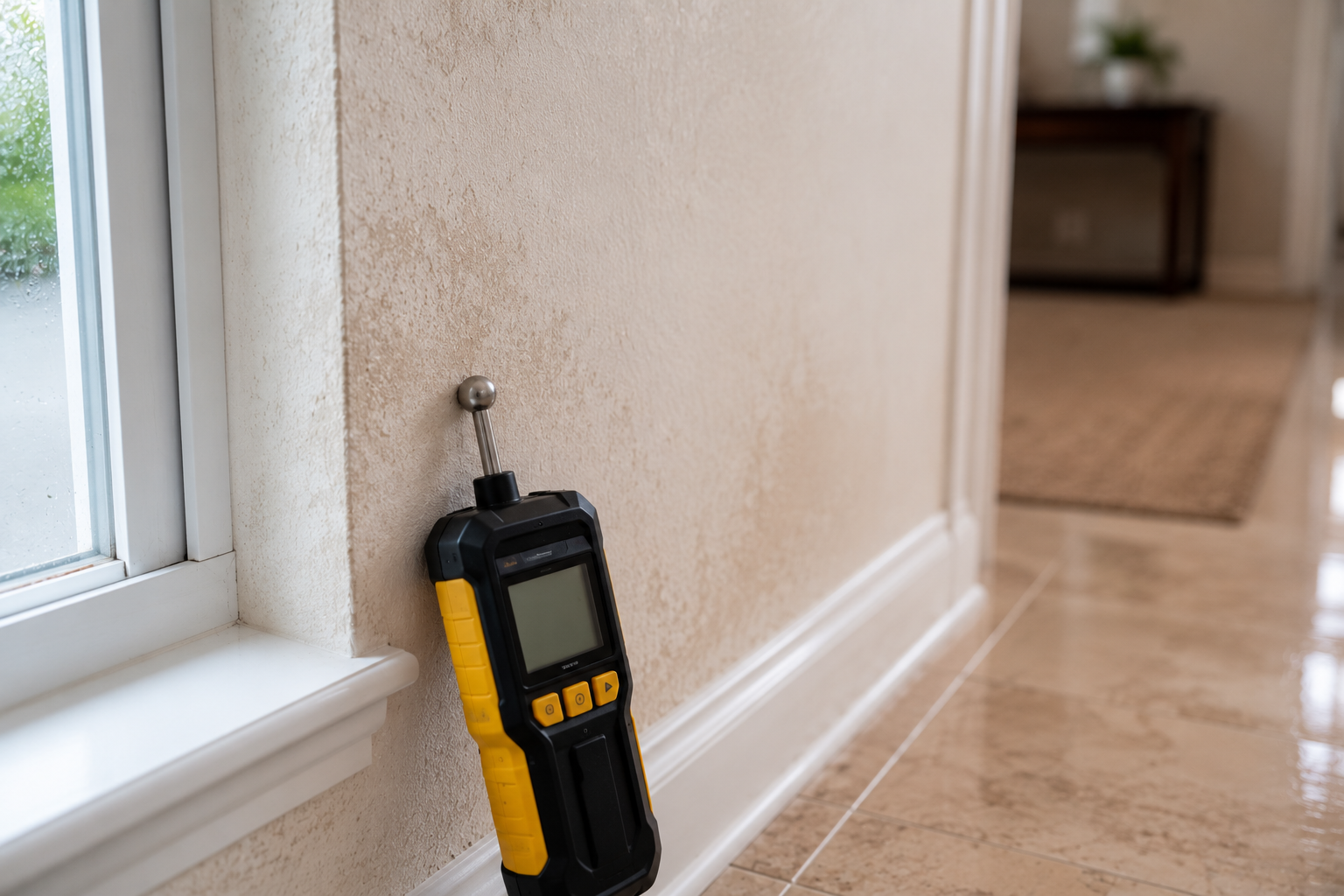
A mold inspection can help identify visible and hidden areas of concern, moisture conditions, and possible sources of mold growth. This is often a natural first step when warning signs are present but the location or extent of the problem remains unclear.
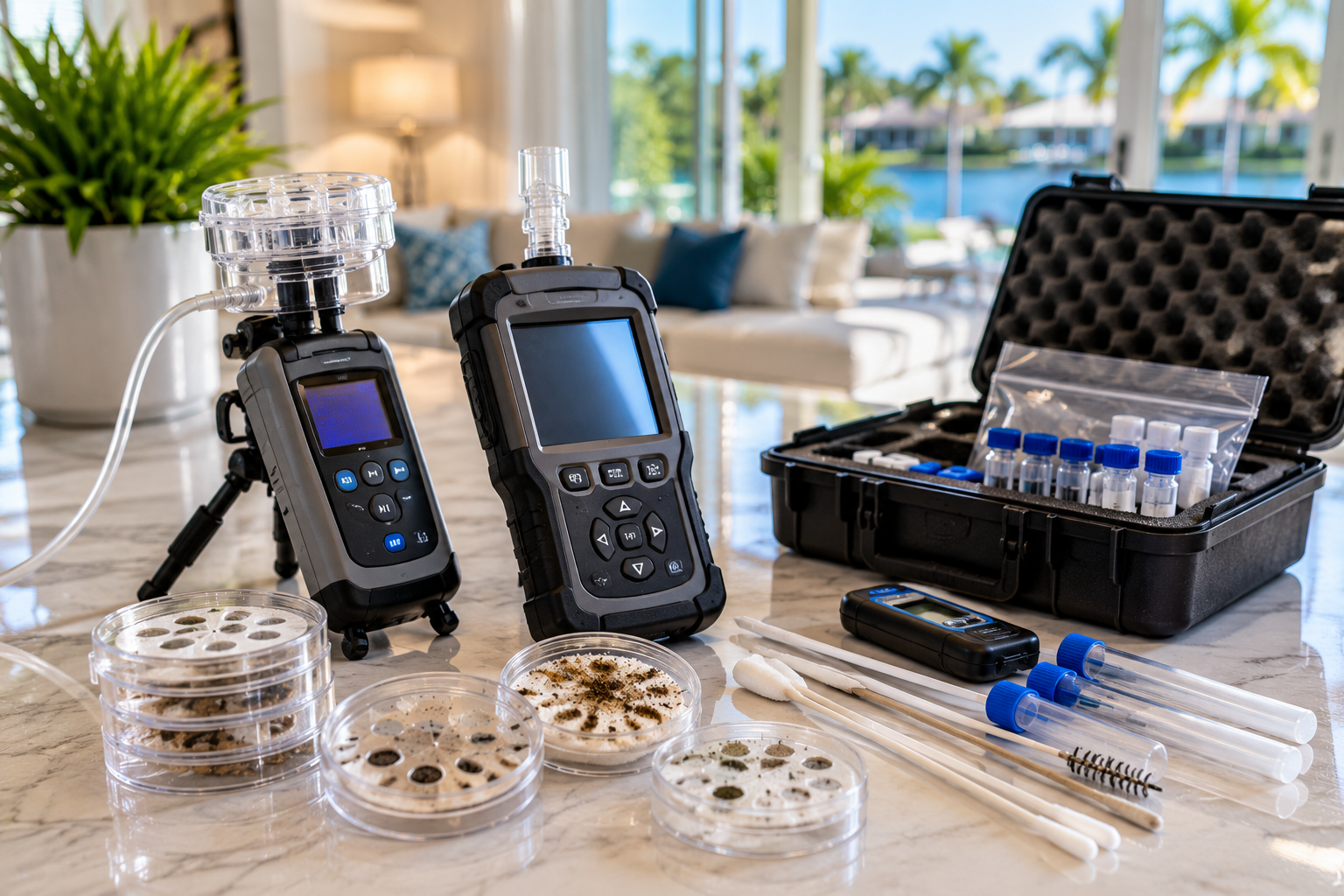
Testing may be useful when suspected mold is hidden, indoor air concerns cannot be traced to a clear source, or additional documentation is needed. Learn when air, surface, or material sampling may provide useful information alongside a property inspection.
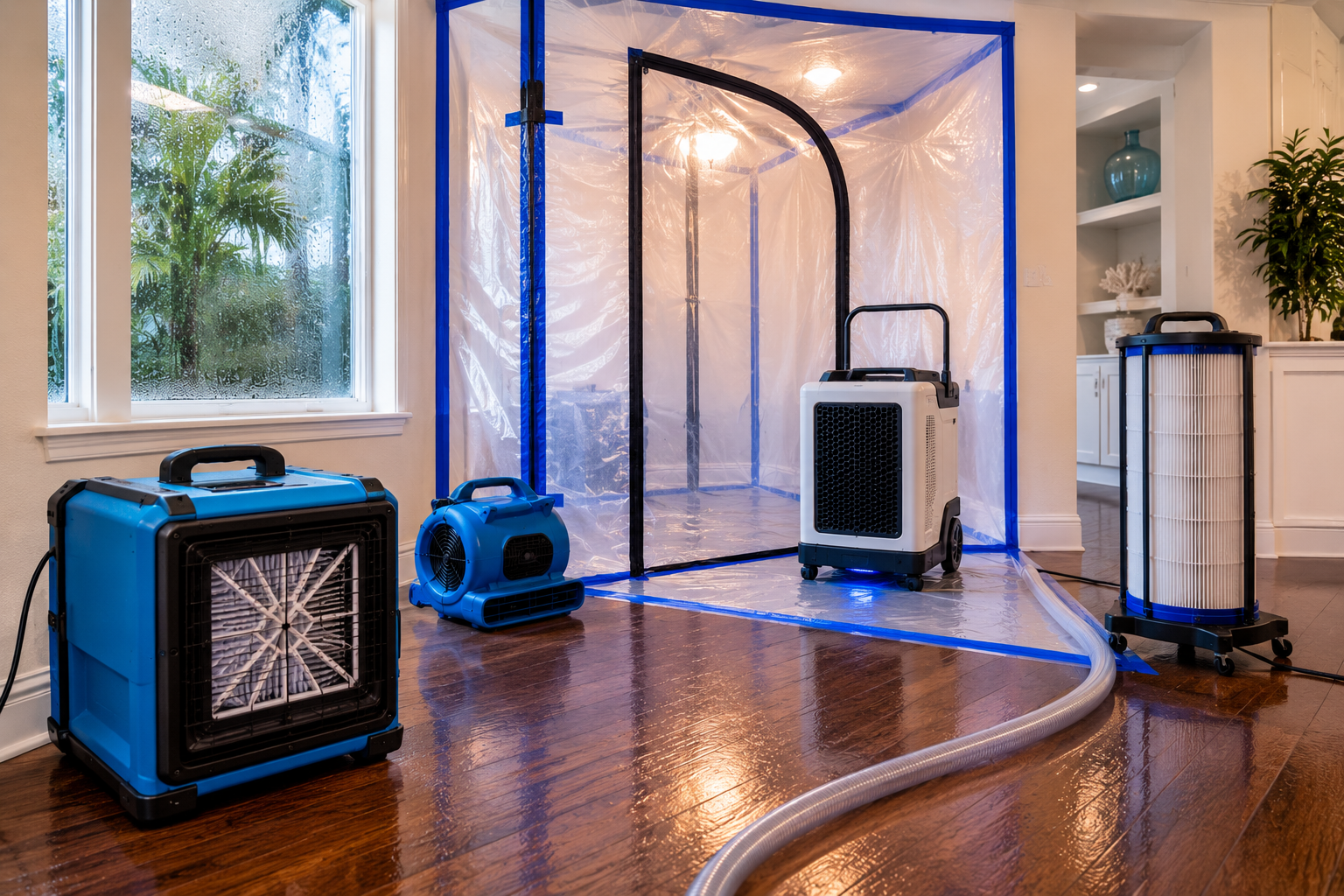
When mold growth is confirmed or visibly affecting building materials, remediation may involve containment, cleaning or removal, drying, and correction of the underlying moisture source. Review the remediation process to understand when professional treatment may be more appropriate than surface cleaning alone.
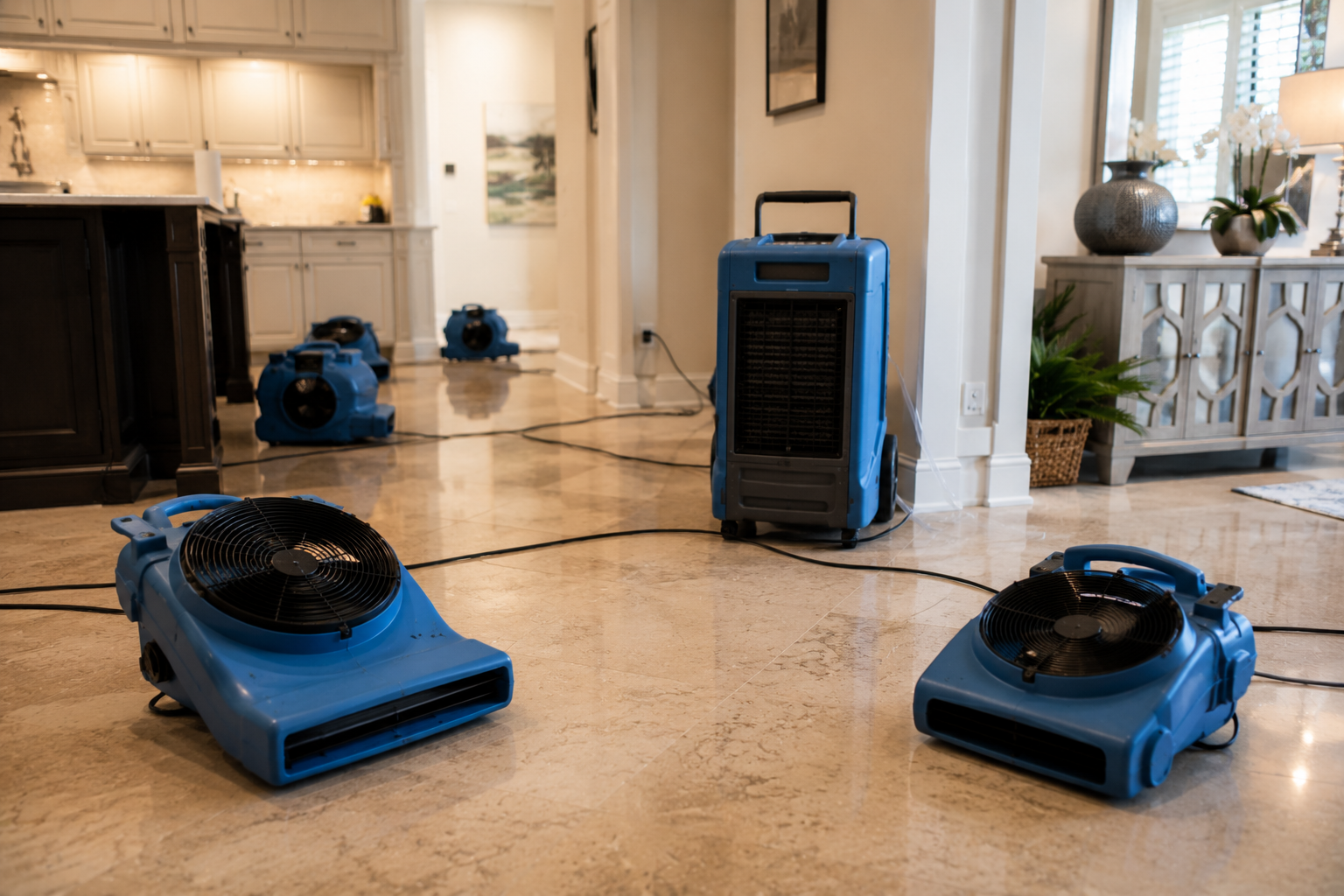
Leaks, flooding, roof damage, plumbing failures, and storm-related water intrusion can also leave materials damp enough for indoor mold concerns to develop. When active water damage remains, drying or water damage restoration may need to occur before the mold problem can be fully evaluated.
Submit a request today to get connected with a qualified local professional.
Request an Evaluation for Suspected Mold in Fort Myers
If mold warning signs keep returning, appear in more than one area, or follow a recent leak, storm, or water-damage event, an evaluation can help clarify the source and extent of the concern.
Connect With a Qualified Local Mold Professional
Visible growth, musty odors, staining, excess humidity, or recurring moisture may indicate a mold problem in a Fort Myers property.
Request an Evaluation
Tell us where you have noticed the odor, staining, visible growth, or recurring dampness and when it first appeared. Include any recent leaks, flooding, roof damage, plumbing problems, or storm-related water intrusion.
Thanks for contacting us! We will be in touch with you shortly.
Please try again later.
FAQs About Signs of Mold in Fort Myers Homes
What are the most common signs of mold in a Fort Myers property?
Common warning signs include visible discoloration, persistent musty odors, recurring dampness, water stains, peeling or damaged materials, and mold that returns after surface cleaning. Recent leaks, flooding, roof damage, or unusually humid indoor conditions can provide additional reasons to investigate.
Can a musty smell indicate hidden mold?
A persistent musty odor may be connected to hidden moisture or mold inside walls, beneath flooring, in attics, crawlspaces, cabinets, HVAC areas, or other enclosed spaces. The location of the odor and whether it becomes stronger after rain or humid weather can provide useful information during an evaluation.
Where does hidden mold commonly develop in Fort Myers homes?
Hidden mold may develop behind drywall, under flooring, inside insulation, around plumbing, near HVAC equipment, or in attics and crawlspaces with limited airflow. Fort Myers humidity and storm-related water intrusion can allow moisture to remain in these areas without producing immediately visible damage.
Can heavy rainfall or storms cause mold warning signs to appear?
Yes. Wind-driven rain, roof leaks, flooding, and storm-related water intrusion can introduce moisture into ceilings, walls, insulation, flooring, and enclosed spaces. Musty odors, staining, damp materials, or visible growth appearing after severe weather may indicate that further inspection is appropriate.
When should I request professional help for suspected mold?
Professional evaluation may be appropriate when visible growth is spreading, odors persist, the problem returns after cleaning, or the property has experienced significant water intrusion. Inspection may also be useful when mold is suspected but the affected area or moisture source cannot be clearly identified.
Is cleaning visible mold enough to solve the problem?
Surface cleaning may not address mold hidden inside materials or the moisture condition that allowed it to grow. If humidity, leaks, drainage problems, or water-damaged materials remain unresolved, visible mold may return or appear elsewhere in the property.