Black Mold Remediation in Fort Myers
Careful Remediation for Suspected Black Mold and Moisture Damage
Dark-colored or suspected black mold is one type of indoor mold concern, but appearance alone does not establish the species, toxicity, or severity of the problem. The more useful questions are which materials are affected, where the moisture is coming from, how far it extends, and whether the concern is linked to leaks, flooding, condensation, or persistent humidity.
A qualified local mold professional can help determine whether inspection or testing is appropriate, while a licensed mold remediation professional can carry out containment, material removal, cleaning, drying, and moisture correction when remediation is required.
Fort Myers properties affected by flooding, leaks, or prolonged humidity may be especially vulnerable to recurring growth if the moisture source remains unresolved.
What Black Mold Remediation Addresses
Black mold remediation is designed to solve problems such as:
Dark mold growth on walls, ceilings, or structural surfaces
Indoor air quality concerns related to mold contamination
Mold caused by flooding, leaks, or prolonged moisture exposure
Conditions that may contribute to odors or respiratory irritation
Dark-colored growth should be evaluated based on the affected materials, moisture history, and extent of contamination rather than appearance alone. Hidden moisture may extend beyond the visibly stained area.
How Black Mold Remediation Works
The response to suspected black mold depends on the extent of growth, the materials involved, and whether water damage or ongoing moisture is present. A remediation project may involve:
01
Affected Materials and Moisture Review
The affected area should be reviewed for visible dark-colored growth, water staining, moisture conditions, porous materials, nearby leaks, flooding history, and signs that contamination may extend beyond the visible surface.
02
Remediation Scope and Containment Plan
If remediation is appropriate, the scope should reflect the materials involved, access conditions, moisture source, extent of affected areas, and whether containment, cleaning, material removal, drying, or further assessment is needed.
03
Containment, Filtration, and Material Removal
Where contaminated materials require remediation, work may involve containment, air filtration, controlled cleaning, removal of affected porous materials, and measures to limit the spread of debris from the work area.
04
Cleaning, Drying, and Post-Remediation Review
The affected area should be reviewed after cleaning or material removal to determine whether remaining moisture conditions have been corrected and whether additional drying or follow-up is needed.
05
Moisture-Control Recommendations
Recommendations may address leaks, flooding, condensation, ventilation, indoor humidity, drainage, or other conditions that contributed to persistent dampness around the affected materials.
How Water Intrusion and Humidity Affect Suspected Black Mold in Fort Myers
Persistent humidity, flooding, and storm-related water intrusion can allow contamination to develop behind walls, beneath flooring, or within other enclosed areas of Fort Myers properties. These conditions can influence containment and drying requirements.
Flooding and Water-Damaged Materials
Dark growth on drywall, wood, insulation, flooring, or other porous materials may develop after flooding or water intrusion when those materials remain damp.
Persistent Indoor Humidity
High humidity can slow drying and support recurring growth where enclosed materials, wall cavities, or poorly ventilated areas remain damp.
Hidden Moisture Behind Finishes
Water can remain behind walls, beneath flooring, or inside insulation even when the visible surface appears dry.
Coastal and Storm-Related Exposure
Storm surge, wind-driven rain, roof damage, and repeated moisture exposure can affect both coastal and low-lying Lee County properties.
The priority is to address contaminated materials while correcting the moisture condition supporting the growth, rather than relying on surface appearance as the measure of the problem.
When to Request an Evaluation for Suspected Black Mold
An evaluation is appropriate when dark-colored growth appears on water-damaged or persistently damp materials, particularly when the moisture source or extent of the affected area is unclear.
Dark-colored growth or staining on porous materials
Musty odors associated with damp or water-damaged areas
Growth that returns after cleaning
Recent flooding, roof leaks, plumbing failures, or prolonged moisture exposure
Color alone does not establish the type or severity of a mold problem, so the affected materials and moisture conditions should guide the next step.
How Indoor Mold and Water Damage Affect the Scope of Suspected Black Mold
Dark-colored growth should be treated as an indoor mold and moisture concern rather than assuming that color alone determines the type, toxicity, or severity of the problem. The remediation scope depends more on the materials involved, moisture source, accessibility, and whether water damage extends beyond the visible area.
Visible Growth vs. Hidden Affected Materials
Dark growth may be limited to an accessible surface or may be associated with moisture behind drywall, beneath flooring, inside insulation, or within other enclosed materials. Musty odors, recurring staining, or growth returning after cleaning may indicate that the visible area does not represent the full problem.
Porous and Water-Damaged Materials
Drywall, insulation, wood products, flooring, and other porous materials can absorb moisture and may require different treatment from hard, cleanable surfaces. The condition of the material and how long it remained damp matter more than the color of the growth.
Flooding, Leaks, and Recurring Water Intrusion
Roof leaks, plumbing failures, flooding, storm surge, and wind-driven rain can allow moisture to spread into multiple building assemblies. When affected materials remain wet, structural drying or water damage restoration may be needed before or alongside mold remediation.
Growth That Returns After Cleaning
Recurring dark growth can indicate that humidity, condensation, hidden moisture, or another water source remains unresolved. Repeated surface cleaning does not correct an underlying moisture problem or determine whether affected materials extend beyond the visible area.
The appropriate response should therefore be based on the extent of indoor mold, affected materials, moisture source, and water-damage conditions—not on the appearance or color of the growth alone.
Related Services for Suspected Black Mold
Suspected black mold may require inspection, testing, remediation, or water-damage drying depending on how much is visible, which materials are affected, and whether the moisture source remains active.
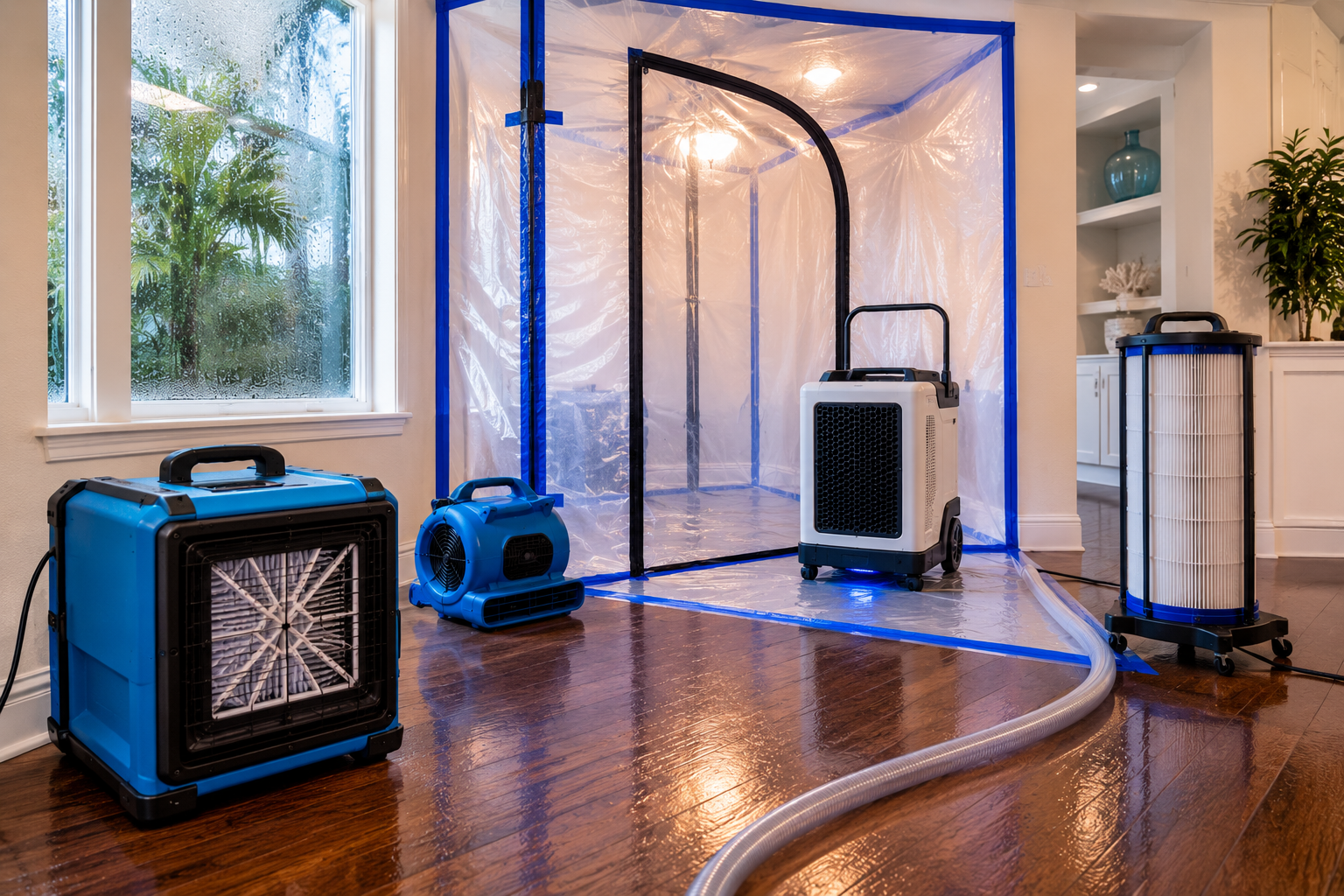
If dark-colored indoor mold affects porous materials or extends beyond a small accessible area, mold remediation may be appropriate after the scope has been evaluated. The response should be based on the affected materials and moisture conditions rather than color alone.
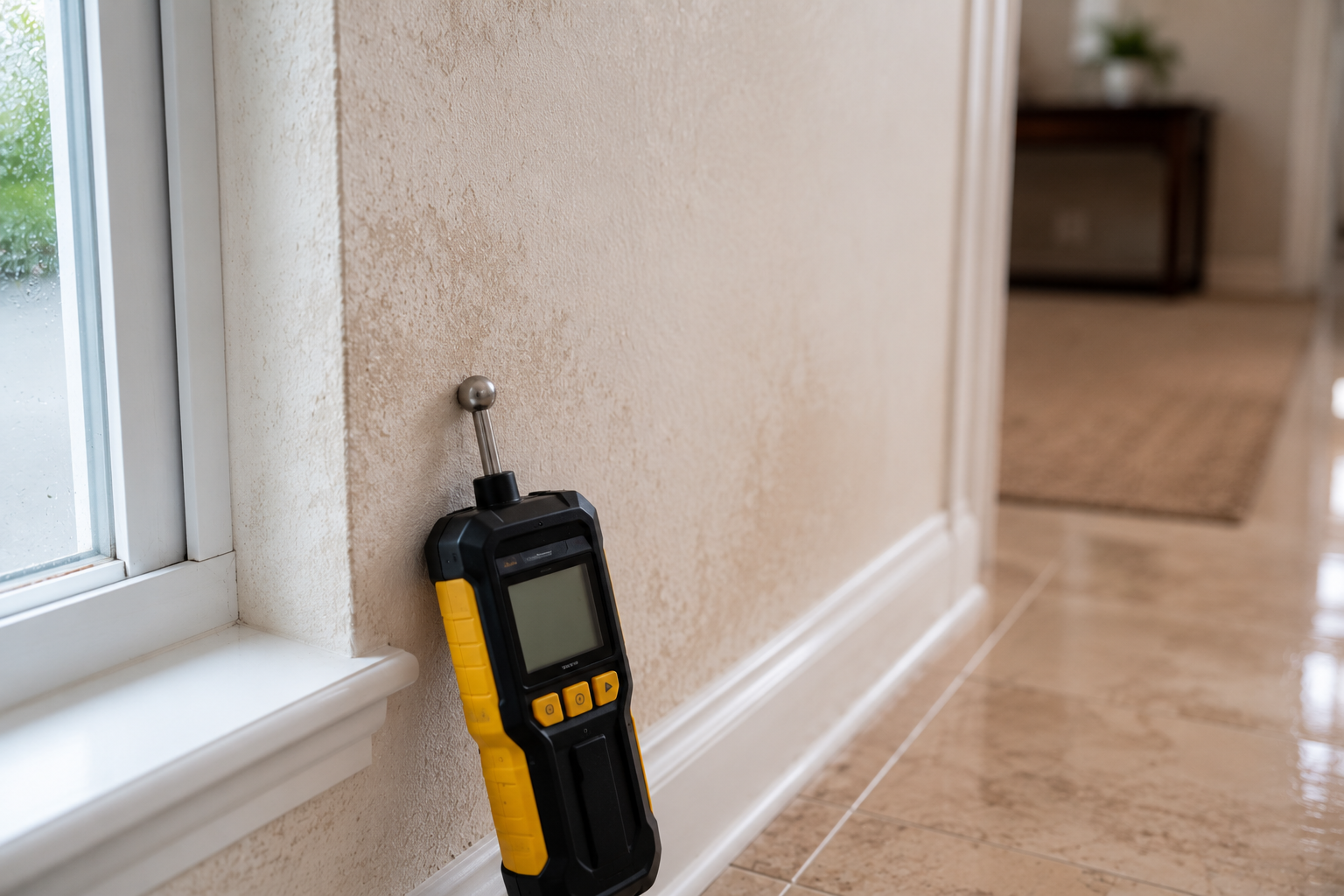
An inspection can help determine where moisture is coming from, whether suspected indoor mold extends beyond the visible area, and which materials or enclosed spaces require closer assessment. Dark color alone does not determine the type or severity of the problem.
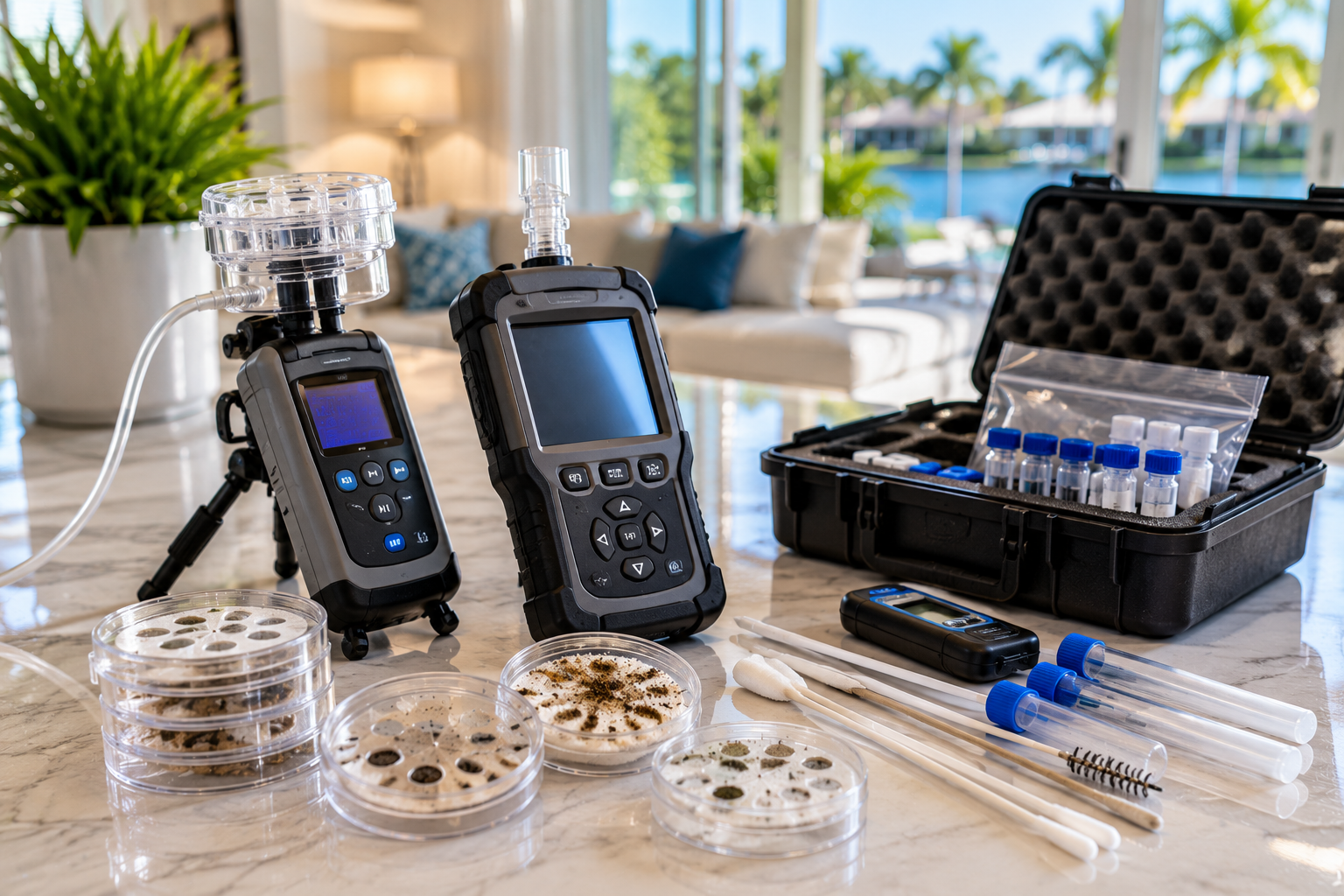
Testing may provide additional information when a specific question about suspected indoor mold cannot be answered through inspection alone. Sampling can help characterize collected material, but dark color by itself is not a reason to assume a particular mold type or severity.
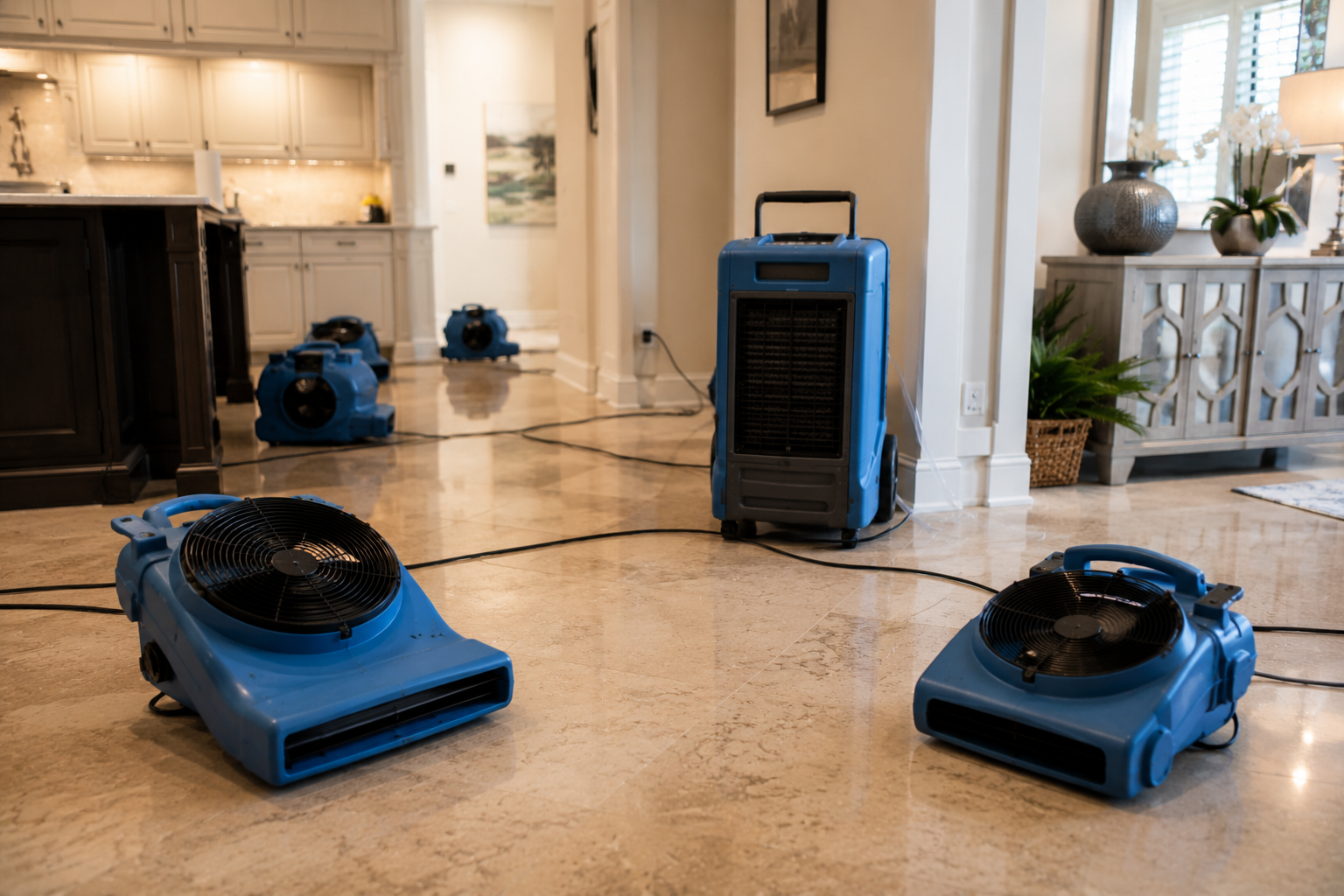
If dark-colored growth is associated with flooding, roof damage, plumbing leaks, or another water event, water damage restoration may also be needed to address wet materials. Drying and stabilization should be considered alongside the broader indoor mold and remediation scope.
Cost Factors for Black Mold Remediation
Containment requirements, material removal, accessibility, and the extent of underlying water damage can all increase the complexity of remediation.
Scope of mold contamination
Removal and disposal requirements
Accessibility of affected areas
Complexity of moisture mitigation and remediation
Equipment and containment methods required
LOCAL ESTIMATE RANGE
$1,500 - $4,000*
*Requires on-site evaluation for accurate pricing
Helpful Black Mold Resources Before Requesting an Estimate
Before requesting remediation, it can help to understand whether the concern is urgent, whether visible removal is sufficient, how moisture can be controlled, and which factors influence project cost. These resources can help clarify those decisions.

Dark-colored growth appearing after flooding, storm damage, plumbing failure, or major water intrusion may be part of a broader indoor mold and water-damage problem. Review when water damage restoration, drying, containment, and mold remediation may need prompt attention.

Removing visible dark-colored growth is not necessarily the same as addressing affected materials and the moisture conditions supporting indoor mold. Compare limited removal with broader remediation involving containment, drying, material treatment, and moisture correction.

Recurring indoor mold can remain a concern when leaks, flooding, condensation, ventilation problems, or persistent humidity are unresolved. Review moisture-control measures and when drying or water damage restoration may be needed after a significant water event.

Remediation costs depend on the affected area, materials, access, containment, removal, drying, and extent of indoor mold—not the color of the growth. Underlying flooding or water damage that requires restoration can also increase the overall project scope and cost.
Black Mold Remediation in Fort Myers and Nearby Lee County Communities
Suspected black mold concerns across Lee County can differ with flooding history, coastal exposure, ventilation, property construction, and recurring indoor moisture. Service information is available for Fort Myers and nearby communities including:
Properties across Lee County may face different contamination risks depending on flooding history, coastal exposure, ventilation, and recurring indoor moisture.
Request an Evaluation for Suspected Black Mold
Dark-colored growth should be evaluated according to its location, extent, affected materials, and underlying moisture source rather than appearance alone.
Describe where the dark growth appears and whether the area has been affected by leaks, flooding, or persistent dampness.
Thanks for contacting us! We will be in touch with you shortly.
Please try again later.
Black Mold Remediation FAQs for Fort Myers Properties
Is every dark-colored mold considered black mold?
No. Mold can appear black, green, brown, gray, or in other colors, and appearance alone does not reliably identify the species or establish how serious the problem is. Dark growth should instead be evaluated according to its location, extent, moisture source, and the materials it affects.
What should I do if I find suspected black mold?
Avoid disturbing extensive growth or removing damaged materials before the affected area has been evaluated. Share the location, approximate size, moisture history, and any recent leaks or flooding with a qualified local mold professional so the appropriate inspection, testing, or remediation step can be identified.
Is mold testing required when the growth appears black?
Not always. Testing may be useful when the type or extent of contamination is unclear, documentation is required, or hidden growth is suspected. When testing or a formal mold assessment is needed, it should be performed by an appropriately licensed mold assessor.
How is suspected black mold remediated?
The remediation approach depends on the affected materials, extent of growth, accessibility, and source of moisture. A licensed mold remediator may use containment, air filtration, removal or cleaning of contaminated materials, drying, and moisture correction to keep the problem from continuing or spreading.
Can black mold return after remediation?
Any mold can return when the underlying leak, flooding, condensation, humidity, or water-intrusion problem remains unresolved. Correcting the moisture source is therefore as important as removing or cleaning the affected materials.