Attic Mold Removal in Fort Myers
Attic Mold Removal for Roof Leaks, Humidity, and Ventilation Problems
Attic mold can develop when roof leaks, wind-driven rain, inadequate ventilation, condensation, or damp insulation allow moisture to remain around roof decking and framing.
A qualified local mold professional can help identify the likely cause, while a licensed mold remediation professional can address affected attic materials and recommend ventilation or moisture-control improvements when remediation is needed.
Fort Myers heat, humidity, and seasonal storms can increase the risk of moisture becoming trapped in attic spaces.
What Attic Mold Removal Addresses
Attic mold removal is designed to solve problems such as:
Mold growth caused by poor attic ventilation
Moisture buildup trapped in insulation or roof decking
Mold staining near roof lines or rafters
Heat and humidity conditions that contribute to recurring mold growth
Attic mold often points to a ventilation, roof, insulation, or condensation problem that needs to be corrected along with the affected surfaces. Moisture can remain trapped above the living space even when damage is not obvious from below.
How Attic Mold Removal Works
Attic remediation begins by determining whether the moisture is coming from roof intrusion, condensation, ventilation problems, or damp insulation. The work may then involve:
01
Attic Conditions and Moisture Review
The attic should be reviewed for visible staining or growth, roof leaks, wind-driven rain, condensation, insulation moisture, ventilation conditions, and areas where warm humid air may be accumulating around framing or roof decking.
02
Remediation and Ventilation Plan
The remediation plan should reflect the affected framing or decking, insulation condition, attic access, moisture source, roof history, and whether ventilation or insulation changes are needed alongside treatment.
03
Containment, Cleaning, and Material Removal
Depending on the affected materials, the work may involve containment, surface cleaning, removal of contaminated insulation or other porous materials, localized drying, and measures to limit disturbance outside the work area.
04
Drying and Attic Moisture Review
Roof decking, framing, insulation, and other affected areas should be reviewed during drying to determine whether the leak, condensation, or ventilation condition has been adequately corrected.
05
Ventilation and Roof-Leak Prevention Recommendations
Follow-up recommendations may address roof repairs, soffit or ridge ventilation, exhaust ducting, insulation, indoor humidity, and other conditions that can allow attic moisture to return.
How Roof Leaks, Humidity, and Water Intrusion Contribute to Attic Mold in Fort Myers
Fort Myers heat and humidity can create challenging attic conditions, particularly after roof leaks, wind-driven rain, or periods of poor ventilation. Those conditions influence how drying, insulation, and airflow improvements are planned.
Heat, Humidity, and Attic Condensation
Hot attic temperatures combined with humid air can contribute to condensation or slow drying when ventilation is inadequate.
Roof Leaks and Wind-Driven Rain
Tropical storms and heavy rainfall can introduce water through roofing, flashing, penetrations, or damaged areas without always producing obvious interior leaks.
Ventilation and Exhaust-Air Problems
Inadequate attic ventilation or improperly vented bathroom and kitchen exhaust can introduce moisture into enclosed roof spaces.
Damp Insulation and Hidden Roof-Deck Moisture
Insulation can hold moisture against framing or roof decking, allowing a problem to remain hidden even after interior ceiling surfaces appear dry.
Resolving the attic moisture source is essential because cleaning visible staining alone will not correct recurring condensation, roof leakage, or ventilation problems.
When to Request Attic Mold Removal
Attic mold removal may be appropriate when visible growth or staining is present on framing, roof decking, or insulation and the concern is connected to roof leakage, condensation, storm damage, or persistent ventilation problems.
Dark staining near roof decking or attic framing
Visible mold growth on rafters or insulation
Persistent musty odors inside the home
Recent roof leaks, storm damage, or ventilation problems
Attic staining should be evaluated together with the roof, insulation, and ventilation conditions because treating the surface alone does not correct the source of moisture.
How Indoor Mold and Moisture Conditions Change the Attic Remediation Scope
Attic mold is a form of indoor mold that can involve very different materials and moisture conditions depending on whether the cause is a roof leak, condensation, inadequate ventilation, damp insulation, or storm-related water intrusion. The treatment scope should reflect what is affected rather than applying the same approach to every attic.
Roof Decking and Framing
Growth or staining on roof decking and framing may be localized to a small roof-leak area or extend across a larger portion of the attic where humidity and ventilation problems are involved. Access, material condition, and the moisture source can all influence the remediation approach.
Wet or Contaminated Insulation
Insulation can retain moisture against framing and roof decking and can also limit access to affected surfaces. Wet, deteriorated, or contaminated insulation may require removal or replacement depending on its condition and the extent of the attic moisture problem.
Roof Leaks and Storm-Related Water Damage
Wind-driven rain, damaged roofing, flashing failures, or other storm-related water intrusion can introduce enough moisture to require structural drying or water damage restoration in addition to mold remediation. The roof source should be addressed so that affected attic materials are not continually re-wetted.
Ventilation and Condensation Problems
Where the main problem is condensation or trapped humidity rather than an active leak, ventilation, exhaust-air routing, insulation, or indoor humidity may need to be addressed alongside treatment of the affected attic materials.
The appropriate attic remediation scope depends on the relationship between indoor mold, affected materials, roof or ventilation conditions, and whether active water damage still requires drying or restoration.
Related Services for Attic Mold and Moisture Problems
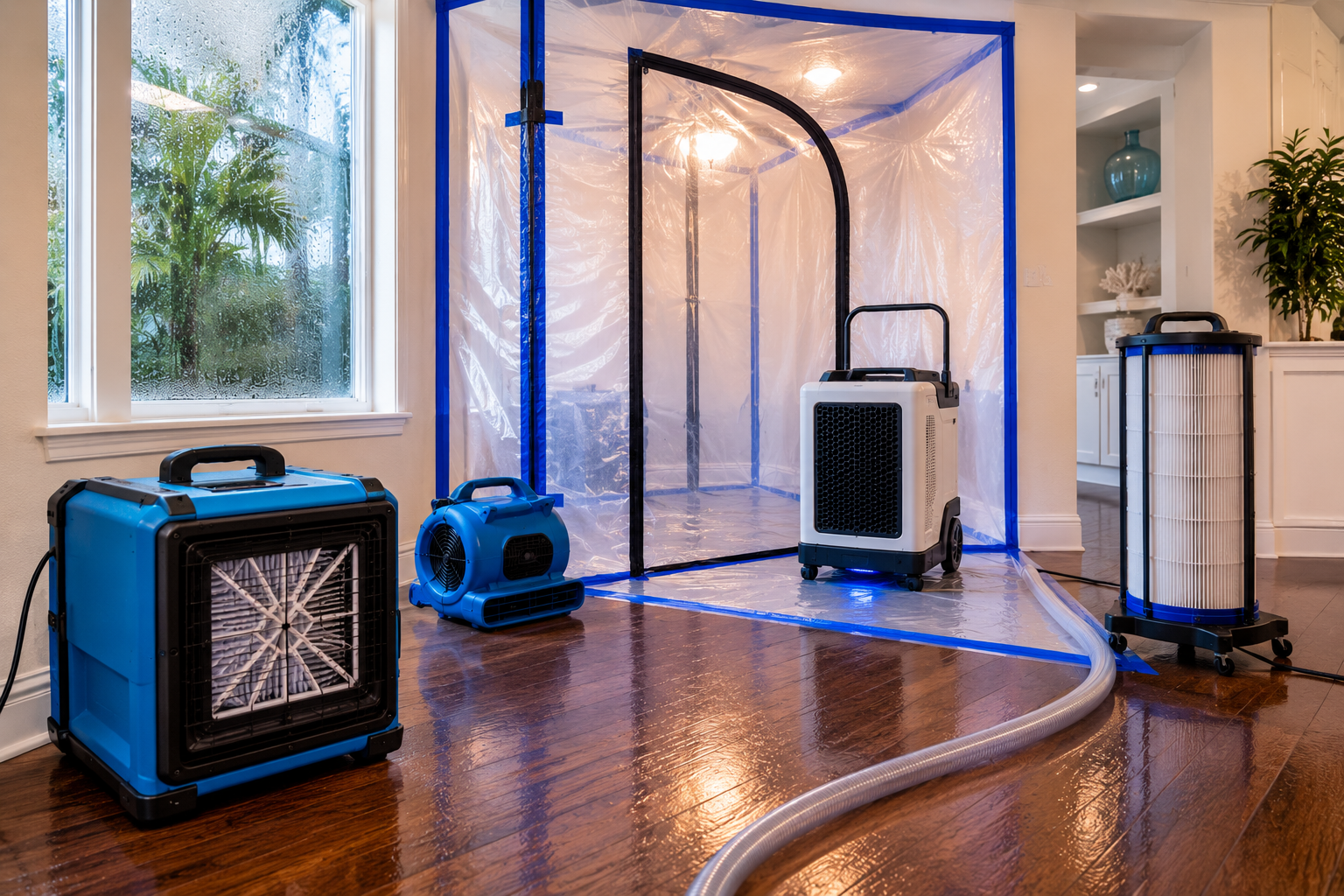
If indoor mold in the attic extends into insulation, framing, ceilings, wall cavities, or other connected materials, a broader remediation plan may be needed. The scope should account for both the affected materials and the roof, condensation, or ventilation condition supporting the growth.
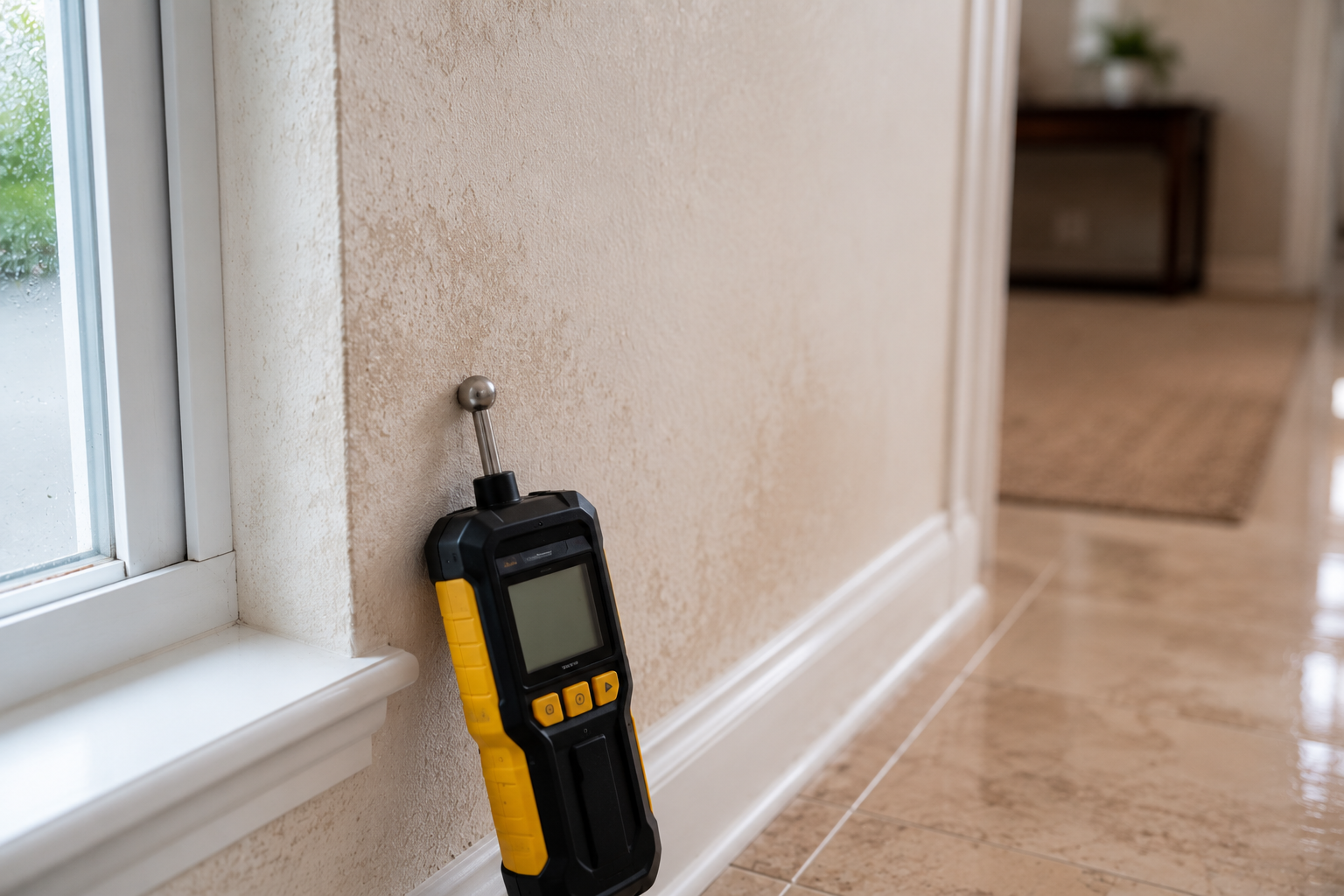
When attic staining, odors, or suspected indoor mold are present but the source is unclear, inspection can help evaluate roof leaks, condensation, damp insulation, ventilation, and concealed areas around the roof structure.

Testing may provide additional information when suspected attic mold is not clearly visible or a specific assessment question remains after inspection. Sampling should be interpreted alongside roof conditions, insulation moisture, ventilation, and previous water intrusion.
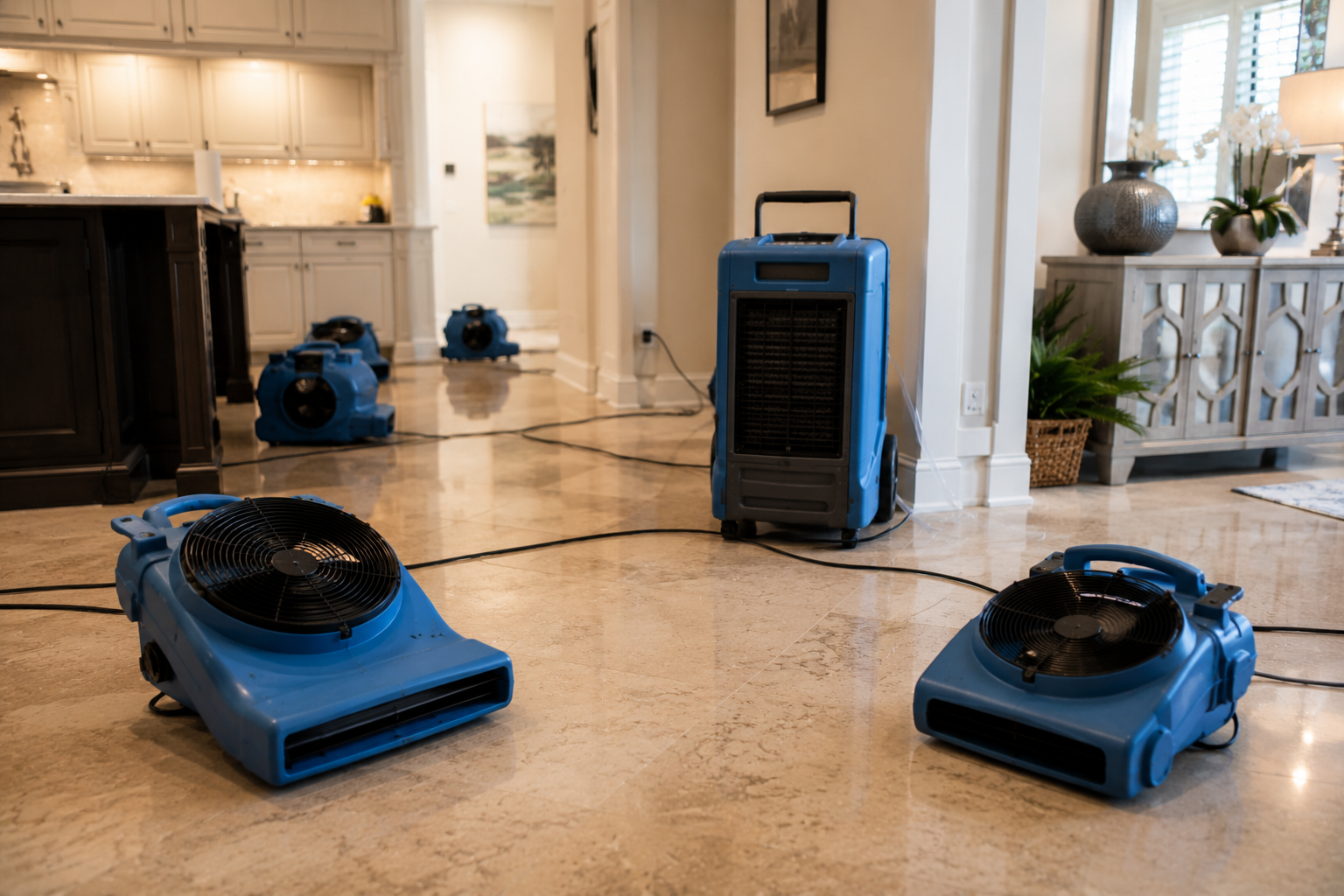
When attic mold follows a roof leak, wind-driven rain, or storm damage, water damage restoration or structural drying may be needed to address wet insulation, framing, or roof-deck materials before the moisture condition is considered stabilized.
Cost Factors for Attic Mold Removal
Attic access, insulation removal, roof-related moisture, ventilation corrections, and the amount of affected framing can all influence project cost.
Scope of attic mold contamination
Extent of insulation removal or replacement
Accessibility of the attic space
Complexity of ventilation or moisture correction
Equipment and remediation methods required
LOCAL ESTIMATE RANGE
$1,500 - $3,500*
*Requires on-site evaluation for accurate pricing
Helpful Attic Mold and Moisture Resources Before Requesting an Estimate
Attic mold is often connected to roof leaks, storm exposure, ventilation, insulation, and trapped humidity. These resources can help clarify whether the next step involves inspection, moisture control, remediation, or a property-specific estimate.

Storm-related roof damage and wind-driven rain can leave hidden moisture in attic insulation, framing, and roof decking where indoor mold may develop. A post-storm inspection can help determine whether drying, water damage restoration, or mold remediation should follow.

Preventing recurring attic indoor mold depends on correcting roof leaks, condensation, ventilation problems, damp insulation, and persistent humidity. Review moisture-control measures that address the conditions supporting growth rather than treating visible staining alone.

Cleaning visible attic growth is not always the same as addressing an indoor mold problem affecting porous materials and the underlying moisture source. Compare limited removal with broader remediation that may involve containment, drying, material treatment, and moisture correction.

Attic remediation costs can change with access, affected insulation, containment, drying, roof-related moisture, and the extent of indoor mold. Projects following significant roof leaks or storm damage may also involve water damage restoration, increasing the overall scope.
Attic Mold Removal in Fort Myers and Nearby Lee County Communities
Attic mold concerns across Lee County can vary with roof age and exposure, storm history, ventilation design, insulation, humidity, and previous water intrusion. Service information is available for Fort Myers and nearby communities including:
Attic moisture concerns across Lee County often vary with roof exposure, storm history, ventilation design, and the age and construction of the property.
Request an Attic Mold Removal Estimate
Attic mold concerns may develop after roof leaks, storm-related water intrusion, trapped humidity, damp insulation, or inadequate ventilation.
Share where the staining or mold appears and whether the attic has experienced roof leaks, storm damage, or ventilation problems.
Thanks for contacting us! We will be in touch with you shortly.
Please try again later.
Attic Mold Removal FAQs for Fort Myers Properties
What are the signs of mold in an attic?
Common signs include dark or irregular staining on roof decking and framing, musty odors, damp insulation, condensation, and growth near areas affected by roof leaks. A qualified local mold professional can help distinguish active moisture problems from older staining and determine whether further assessment is needed.
What causes attic mold in Southwest Florida homes?
Common causes include roof leaks, wind-driven rain, inadequate ventilation, moisture trapped in insulation, condensation, and humid air entering the attic. Fort Myers heat and humidity can make attic drying more difficult when airflow or roof conditions are not properly addressed.
What does attic mold remediation include?
The process may involve locating the moisture source, containing the work area, cleaning or removing affected materials, using air-filtration equipment, drying the attic, and addressing ventilation or roof-related conditions. A licensed mold remediation professional can develop the scope based on the affected surfaces and accessibility of the attic.
Does moldy attic insulation always need to be removed?
Not necessarily. Removal depends on whether the insulation is wet, contaminated, deteriorated, or preventing access to affected materials. The surrounding roof decking, framing, ventilation, and moisture conditions should also be evaluated before deciding what can remain and what should be replaced.
Should an attic be checked after a roof leak or major storm?
An evaluation may be appropriate when wind-driven rain, roof damage, or leaks have allowed insulation, decking, or framing to remain damp. Even when the ceiling below appears dry, moisture can remain inside the attic and contribute to material damage or recurring mold growth.