Mold Remediation Services in Fort Myers
Mold Remediation for Contamination, Moisture, and Water-Damage Problems
Indoor mold problems can vary from localized growth on accessible materials to hidden contamination associated with leaks, flooding, persistent humidity, or moisture inside walls, flooring, attics, and crawlspaces. Mold remediation focuses on the affected materials and the moisture conditions behind the problem, while water damage restoration may also be needed when building materials remain wet after a leak, flood, or storm-related water event.
A qualified local mold professional can help determine whether inspection, testing, moisture control, or remediation is appropriate. When remediation is required, a licensed mold remediation professional can address affected materials through containment, removal or cleaning, drying, and moisture correction.
Fort Myers humidity, seasonal storms, and water intrusion can make thorough drying and long-term moisture management especially important for residential and commercial properties.
What Mold Remediation Addresses
Mold remediation is designed to solve problems such as:
Visible mold growth on walls, ceilings, or flooring
Musty odors and indoor air quality concerns
Mold caused by leaks, flooding, or excess humidity
Hidden mold in attics, crawlspaces, or HVAC systems
When mold is connected to leaks, flooding, or persistent humidity, addressing the moisture source is just as important as treating the affected materials. An evaluation can help determine whether the problem is localized or extends into hidden areas.
How Professional Mold Remediation Works
The remediation process depends on where the growth is located, which materials are affected, and how moisture is entering or remaining in the property. A typical project may include the following steps:
01
Affected-Area and Moisture Review
The evaluation should identify where mold is visible or suspected, which materials are affected, and whether leaks, flooding, condensation, ventilation, or persistent humidity are contributing to the problem.
02
Remediation Scope and Containment Plan
The remediation scope should reflect the affected materials, moisture source, access conditions, and whether containment, cleaning, removal, drying, or additional assessment is needed before work begins.
03
Containment, Cleaning, and Material Removal
Depending on the affected materials and extent of contamination, the work may involve containment barriers, air filtration, cleaning of suitable surfaces, removal of materials that cannot be adequately cleaned, and controlled handling of debris from the work area.
04
Drying and Post-Remediation Review
Moisture conditions should be reviewed after cleaning or material removal to determine whether affected areas have dried adequately and whether the original source of water or humidity has been corrected.
05
Moisture-Control Recommendations
Follow-up recommendations may address roof or plumbing leaks, ventilation, indoor humidity, drainage, crawlspace or attic moisture, and other property conditions that could contribute to recurring growth.
How Local Conditions Affect Mold Remediation in Fort Myers
Fort Myers humidity, heavy seasonal rainfall, storm exposure, and recurring water intrusion can influence how indoor mold develops and how extensive a remediation project becomes. The scope may change when moisture has spread beyond the visible area or when drying and water damage restoration are needed before remediation can be completed.
High Humidity and Recurring Indoor Moisture
Fort Myers humidity can make porous materials and enclosed spaces slower to dry, especially when air movement is limited or indoor moisture remains elevated.
Storms, Heavy Rainfall, and Water Intrusion
Roof leaks, wind-driven rain, flooding, and storm-related water entry can introduce moisture into walls, flooring, insulation, attics, and other areas that may not dry quickly.
Attics, Crawlspaces, and Ventilation Challenges
Moisture can remain hidden in attics, crawlspaces, wall cavities, and other enclosed areas where ventilation and access are limited.
Coastal Exposure, Drainage, and Property Conditions
Coastal moisture, low-lying lots, drainage problems, and previous flooding can affect how moisture enters and remains around Lee County properties.
A remediation plan should account for both the visible contamination and the Southwest Florida moisture conditions that may allow the problem to return.
When to Request Mold Remediation
Mold remediation may be appropriate when mold growth is visible, returns after surface cleaning, affects porous materials, or develops after moisture has spread beyond a small localized area.
Visible growth on drywall, wood, flooring, insulation, or other materials
Mold that returns after cleaning or continues to spread
Persistent musty odors associated with damp or water-damaged areas
Recent flooding, roof leaks, plumbing failures, or storm-related water intrusion
When the source or extent of the problem is unclear, inspection or testing may be useful before the remediation scope is determined.
Not sure if remediation is necessary? Learn the common signs you need mold remediation
How Indoor Mold and Water Damage Can Expand the Remediation Scope
Visible mold does not always show the full extent of an indoor mold problem. Moisture from leaks, flooding, persistent humidity, or storm-related water intrusion can move into porous materials and enclosed areas, increasing the amount of containment, removal, drying, or moisture correction required.
Mold Extending Beyond Visible Surfaces
Visible growth on a wall, ceiling, or floor may be connected to moisture behind the finished surface. Wall cavities, insulation, subflooring, cabinets, and other concealed materials may require additional evaluation when staining, odors, or dampness extend beyond the obvious area.
Water-Damaged Porous Materials
Drywall, insulation, flooring, wood products, and other porous materials can absorb water after leaks or flooding. The remediation scope may increase when those materials remain wet, cannot be adequately cleaned, or require removal to access hidden moisture.
Connected Attics, Crawlspaces, Walls, and Flooring
Indoor mold can involve more than one building area when moisture travels through roof assemblies, wall cavities, flooring systems, or spaces beneath the property. The scope should account for how the affected materials and moisture pathway connect rather than treating each visible area in isolation.
When Water Damage Restoration and Mold Remediation Overlap
When active flooding, plumbing leaks, roof damage, or storm-related water intrusion is still leaving materials wet, water damage restoration and structural drying may need to occur before or alongside mold remediation. The sequence should reflect both the water-damage conditions and the affected mold-contaminated materials.
The remediation scope should therefore be based on the affected materials, moisture pathway, drying conditions, and extent of indoor mold rather than the size of the visible growth alone.
In urgent situations, immediate action may be required
Related Services That Support Mold Remediation
Mold remediation may be connected to inspection, testing, or water damage restoration when the extent of contamination, moisture source, or water-damage history needs further review.
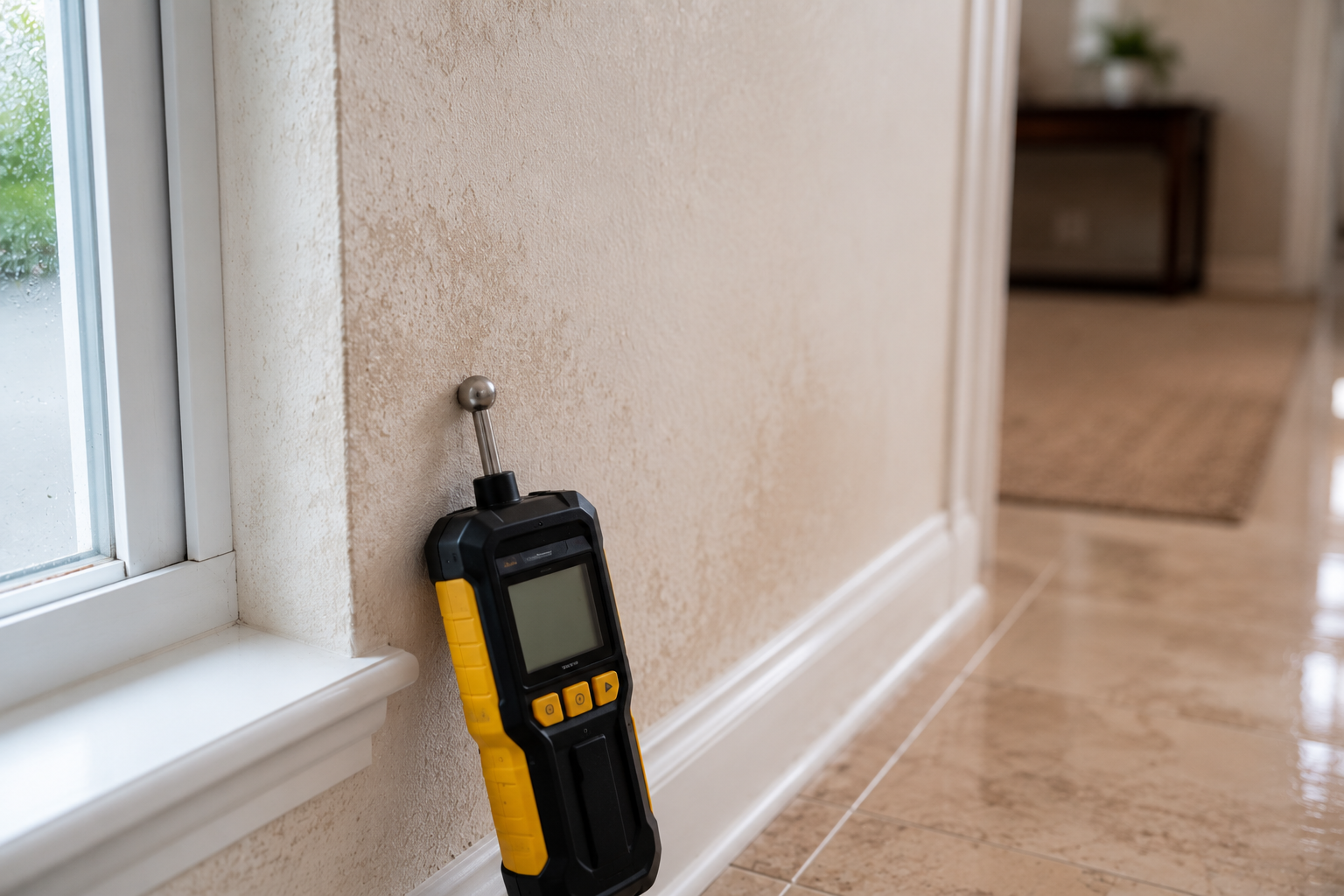
When the source or extent of suspected indoor mold is unclear, a mold inspection can help identify affected areas, hidden moisture, and possible water-entry points. Findings can help determine whether testing, remediation, drying, or water damage restoration should come next.
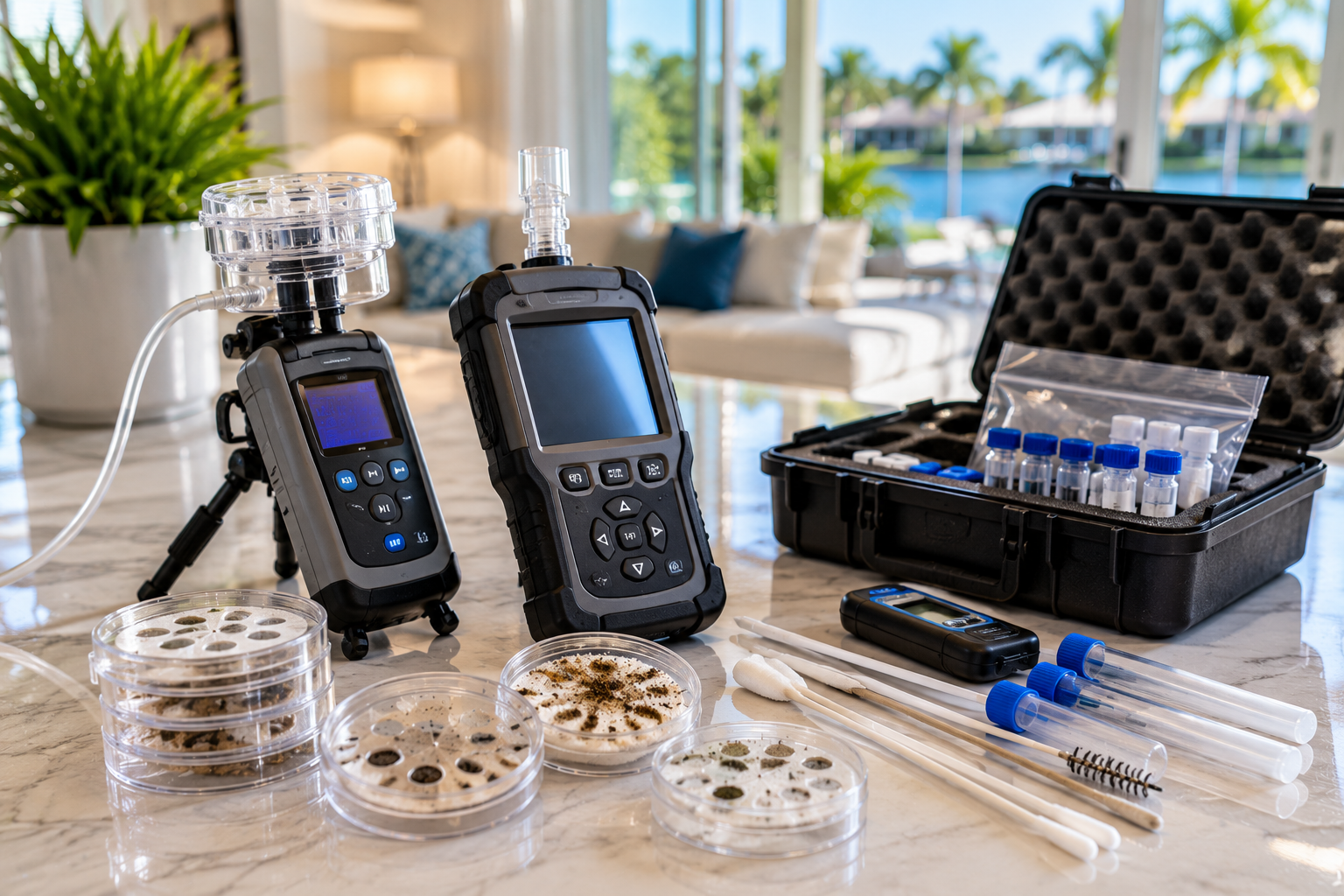
Mold testing may provide additional information when a specific question about suspected indoor mold remains after inspection or when documentation is needed. Sampling should be interpreted alongside visible findings, affected materials, moisture conditions, and the property’s water-damage history.
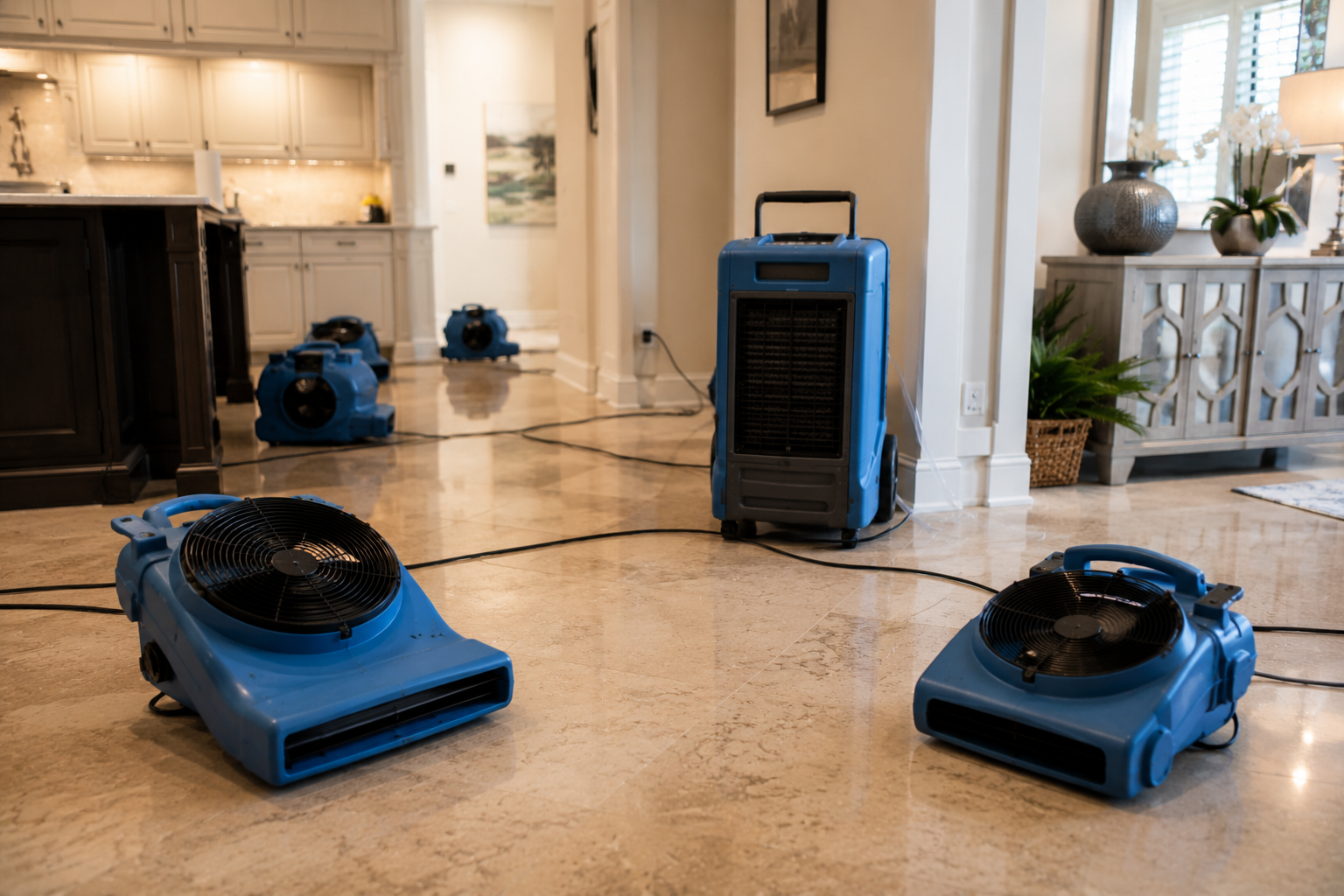
If indoor mold is connected to flooding, roof damage, plumbing leaks, or another water event, water damage restoration may be needed to remove excess moisture and dry affected materials. Stabilizing the water-damage conditions can be an important part of determining the broader remediation scope.
Most mold remediation projects in Fort Myers fall within a general range of several hundred to several thousand dollars depending on severity, though an on-site evaluation is required for accurate pricing.
Cost Factors for Mold Remediation
Pricing depends heavily on how far contamination has spread and whether hidden moisture, damaged materials, or water intrusion must also be addressed.
Scope of mold contamination
Disposal and containment requirements
Accessibility of affected areas
Complexity of remediation and moisture mitigation
Equipment and materials required
LOCAL ESTIMATE RANGE
$500 - $6,000*
*Requires on-site evaluation for accurate pricing
Explore Mold Remediation Options Before Requesting an Estimate
Before requesting a remediation estimate, it can help to understand whether the concern involves a specific attic or crawlspace condition, suspected black mold, or broader project-cost questions. These resources can help clarify the likely scope before a property-specific evaluation.

Roof leaks, condensation, trapped humidity, and limited ventilation can create conditions that support indoor mold around attic framing, insulation, and roof decking. When storm or roof damage has left materials wet, structural drying or water damage restoration may also affect the remediation scope.

Ground moisture, drainage problems, standing water, plumbing leaks, and limited airflow can create conditions that support indoor mold beneath the property. Review how moisture source, affected materials, access, drying, and vapor-control needs can influence crawlspace treatment.

Dark-colored growth should be evaluated as an indoor mold and moisture concern rather than judged by color alone. The affected materials, moisture source, location, and extent of the problem help determine whether inspection, testing, containment, or remediation is appropriate.

Remediation costs depend on the affected materials, accessibility, containment, drying needs, and extent of indoor mold. Projects connected to flooding, leaks, or storm damage may also involve water damage restoration, which can change the overall project scope and cost.
Mold Remediation Services in Fort Myers and Nearby Lee County Communities
Mold remediation needs across Lee County can vary with humidity, rainfall, flooding history, coastal exposure, drainage, ventilation, and property construction. Service information is available for Fort Myers and nearby communities including:
Across Fort Myers and Lee County, remediation needs can differ between inland homes, low-lying properties, coastal areas, and buildings affected by storm or flood-related moisture.
Request a Mold Remediation Estimate
Mold growth caused by leaks, flooding, humidity, or hidden moisture may require more than surface cleaning.
Share a few details about the affected area and moisture history to request the next step.
Thanks for contacting us! We will be in touch with you shortly.
Please try again later.
Mold Remediation FAQs for Fort Myers Properties
When is professional mold remediation necessary?
Professional remediation may be appropriate when mold growth is spreading, returning after surface cleaning, affecting porous materials, or developing after flooding, leaks, or prolonged moisture exposure. A qualified local mold professional can help determine whether the situation requires assessment, moisture correction, material removal, containment, or a broader remediation plan.
What does professional mold remediation include?
The process generally begins by identifying the affected materials and the moisture condition supporting the growth. A licensed mold remediation professional may then use containment, air filtration, removal or cleaning of contaminated materials, drying, and moisture-control measures based on the scope of the problem.
Is mold inspection or testing always required before remediation?
Not every remediation project requires both inspection and testing. A licensed mold assessor may be appropriate when the location, cause, or extent of the growth is unclear, while testing may be useful when specific identification, documentation, or post-remediation verification is needed.
Can mold return after remediation?
Mold can return when the leak, humidity, drainage problem, condensation, or water intrusion that caused the growth remains unresolved. Successful remediation should therefore address both the visible contamination and the underlying moisture source.
What should I consider when choosing a mold remediation contractor?
When comparing a mold remediation contractor, confirm that the person responsible for regulated remediation work holds the appropriate Florida mold remediator license. The proposed scope should also explain containment, affected-material removal, moisture correction, drying requirements, and any work that falls outside the remediation estimate.