Mold Prevention and Moisture Control in Fort Myers
Mold Prevention and Moisture Control for Humidity, Leaks, and Recurring Dampness
Mold prevention begins with controlling the moisture conditions that allow growth to develop. Elevated indoor humidity, condensation, poor ventilation, drainage problems, roof or plumbing leaks, and damp enclosed spaces can create recurring problems even when visible mold is not yet present.
A qualified local mold professional can help identify whether dehumidification, ventilation improvements, drainage correction, moisture barriers, repairs, or further inspection may be appropriate. In Fort Myers, year-round humidity, heavy seasonal rainfall, and storm-related moisture make proactive moisture management especially important for attics, crawlspaces, walls, flooring, and other enclosed areas.
How Moisture Control Helps Prevent Indoor Mold Problems
Indoor mold prevention begins with controlling the conditions that allow building materials and enclosed spaces to remain damp. Persistent humidity, condensation, drainage problems, plumbing or roof leaks, poor ventilation, and hidden water intrusion can all contribute to recurring moisture inside a property.
Addressing the moisture source before visible mold develops can reduce the amount of time walls, flooring, insulation, attic materials, crawlspaces, and other porous materials remain damp. Depending on the property conditions, this may involve dehumidification, ventilation improvements, drainage correction, repairs, drying, or further mold evaluation.
What Mold Prevention and Moisture Control Addresses
Excess moisture can enter or remain inside Fort Myers properties in several ways. The source may be obvious after a leak or storm, but recurring humidity, condensation, drainage, or ventilation problems can be more difficult to identify.
Indoor humidity and condensation
Roof, plumbing, window, or exterior leaks
Storm-related water intrusion and heavy rainfall
Drainage or ground-moisture problems
Limited airflow in attics, crawlspaces, bathrooms, and other enclosed areas
HVAC or ventilation conditions that allow condensation to persist
Understanding how moisture is entering or remaining in the property helps determine which prevention measures are likely to be useful.
Common Sources of Excess Moisture in Fort Myers Properties
Several local factors contribute to moisture problems:
- High humidity and warm temperatures
- Storm-related water intrusion or heavy rainfall
- Poor drainage around the property
- Inadequate ventilation or airflow inside the home
In cases involving leaks or flooding, proper water damage restoration is essential to remove excess moisture.
After heavy rain or storms, a post-storm mold inspection can help identify hidden moisture early.
After flooding, major leaks, or storm-related water entry, prevention may require more than routine humidity control. Water damage restoration and structural drying may be needed when walls, flooring, insulation, cabinets, or other building materials remain wet.
Where Moisture Problems Commonly Develop in Fort Myers Properties
Certain areas of Fort Myers properties are more vulnerable to moisture buildup:
Attics With Heat, Humidity, or Roof-Related Moisture
Attics can hold warm humid air and may also be affected by roof leaks, wind-driven rain, condensation, or inadequate ventilation. Moisture can remain on roof decking, framing, or insulation without producing obvious signs inside the living space.
Crawlspaces and Areas Exposed to Ground Moisture
Ground vapor, drainage problems, plumbing leaks, standing water, and limited airflow can keep crawlspaces damp and affect subflooring, framing, insulation, and nearby materials.
Bathrooms, Kitchens, and Other High-Humidity Rooms
Frequent moisture from showers, cooking, plumbing, and condensation can create recurring dampness when exhaust ventilation or drying is inadequate.
HVAC-Adjacent Areas and Enclosed Building Cavities
Condensation, plumbing connections, ductwork, and limited-access wall or ceiling spaces can hide moisture long after visible surfaces appear dry.
These areas often require targeted solutions to reduce long-term moisture risk.
Areas like attic mold and crawlspace mold are especially vulnerable to moisture buildup.
Mold Prevention and Moisture-Control Solutions
Mold prevention focuses on controlling moisture at the source through:
- Dehumidification systems to manage indoor humidity
- Ventilation improvements to increase airflow
- Moisture barriers in crawlspaces and enclosed areas
- Drainage and grading solutions to redirect water away from the property
Each solution is tailored to the property’s structure and exposure to local conditions.
How Moisture Problems Are Evaluated and Addressed
A typical project follows a structured process designed for long-term protection:
01
Identifying the Moisture Source and Affected Areas
The first step is determining where moisture is coming from and which parts of the property remain damp. This may involve reviewing indoor humidity, condensation, plumbing or roof leaks, drainage, ventilation, recent storm exposure, and moisture-prone enclosed areas.
02
Correcting Leaks, Drainage, and Water-Entry Problems
Where moisture is entering through leaks, exterior water intrusion, drainage problems, or plumbing failures, those sources should be addressed so materials are not repeatedly exposed to water.
03
Improving Ventilation and Indoor Humidity Control
Depending on the property conditions, moisture control may involve improved ventilation, dehumidification, airflow changes, vapor-control measures, or other steps intended to reduce persistent indoor dampness.
04
Monitoring Recurring Moisture-Prone Areas
Attics, crawlspaces, bathrooms, HVAC-adjacent areas, and spaces previously affected by water intrusion may benefit from periodic review when humidity, condensation, or dampness tends to return.
The appropriate combination depends on where moisture originates, how long materials have remained damp, and whether mold growth or water damage has already developed.
How Fort Myers Conditions Affect Mold Prevention and Moisture Control
Conditions unique to Fort Myers influence how prevention strategies must be designed:
Year-Round Humidity and Indoor Condensation
Fort Myers humidity can increase the amount of moisture inside a property, particularly where air movement is limited or cool indoor surfaces encourage condensation.
Seasonal Rainfall, Tropical Storms, and Water Intrusion
Heavy rainfall, roof damage, wind-driven rain, and tropical weather can introduce moisture into walls, ceilings, flooring, insulation, and other enclosed materials.
Drainage and Ground-Moisture Conditions
Low areas, runoff, saturated soil, and poor drainage can contribute to recurring moisture around foundations, crawlspaces, and lower parts of a property.
Attics, Crawlspaces, and Other Low-Airflow Areas
Enclosed areas can remain damp longer when ventilation is limited, making it important to consider airflow, insulation, ground moisture, and previous water intrusion.
Fort Myers prevention strategies should reflect the actual moisture pathway affecting the property rather than relying on one universal humidity-control solution.
When to Request Mold Prevention or Moisture-Control Help
Moisture-control help may be useful when dampness, condensation, odors, or water intrusion keep returning even after normal drying or maintenance.
Indoor humidity or dampness that repeatedly returns
Condensation on windows, walls, ceilings, or other cool surfaces
Musty odors without an obvious visible source
Recurring attic, crawlspace, bathroom, or HVAC-related moisture
Recent leaks, flooding, roof damage, or storm-related water intrusion
If visible mold has already developed, the next step may shift from prevention alone to inspection, remediation, drying, or another mold-related service.
Cost Factors for Mold Prevention & Moisture Control
Prevention and moisture-control costs depend on the source of the moisture and which property systems need attention. A drainage correction, ventilation improvement, dehumidification strategy, crawlspace vapor-control project, or repair to an active water source can involve very different scopes.
Scope of moisture control required
Local permitting or inspection requirements
Accessibility of the work area
Complexity of ventilation or drainage improvements
Equipment and systems installed
LOCAL ESTIMATE RANGE
$1,000 - $3,000+*
*Requires on-site evaluation for accurate pricing
For a full breakdown, see cost of mold remediation in Fort Myers.
Mold and Moisture Services That Support Long-Term Prevention
Prevention sometimes begins before mold is visible, while other properties already require inspection, testing, remediation, or drying. These services can help clarify the next step when moisture-control measures alone may not address the full property condition.
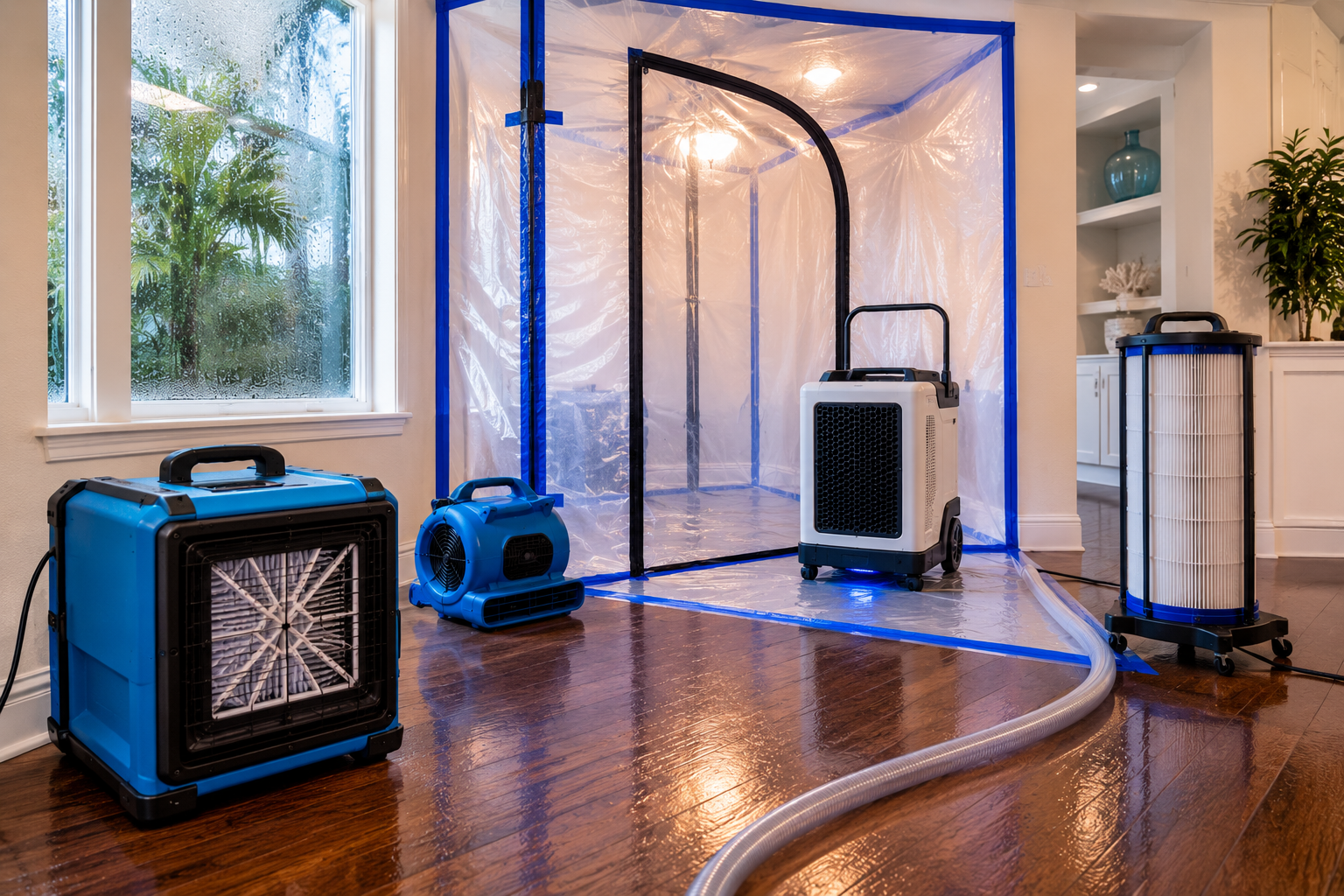
When mold has already developed, prevention measures alone may not address contaminated materials or hidden growth. Learn how professional remediation can address affected areas while correcting the moisture conditions that may allow mold to return.
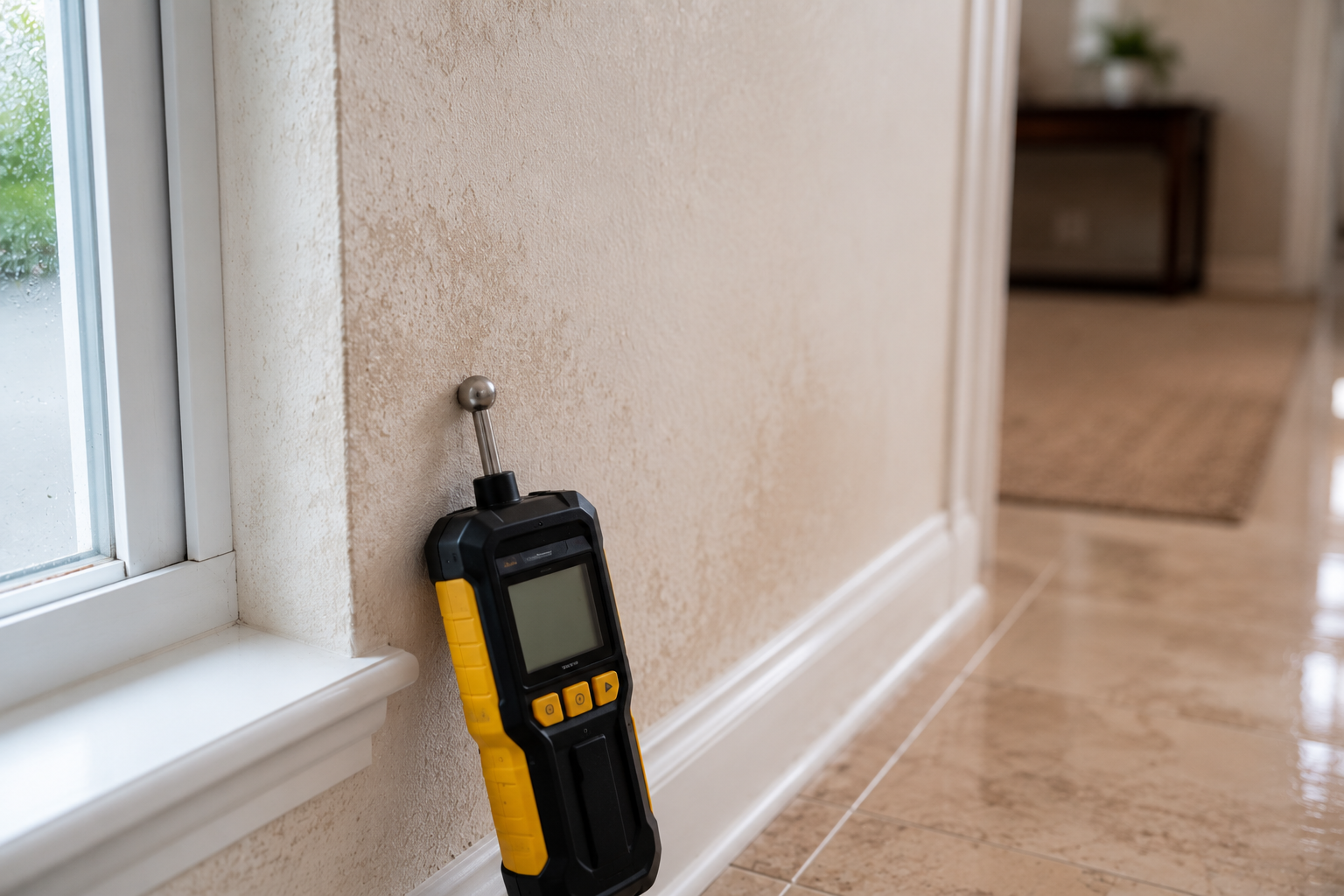
Persistent humidity, musty odors, staining, or recurring dampness may indicate a moisture problem that is not immediately visible. A mold inspection can help identify affected areas and determine whether testing, drying, remediation, or preventative improvements may be appropriate.
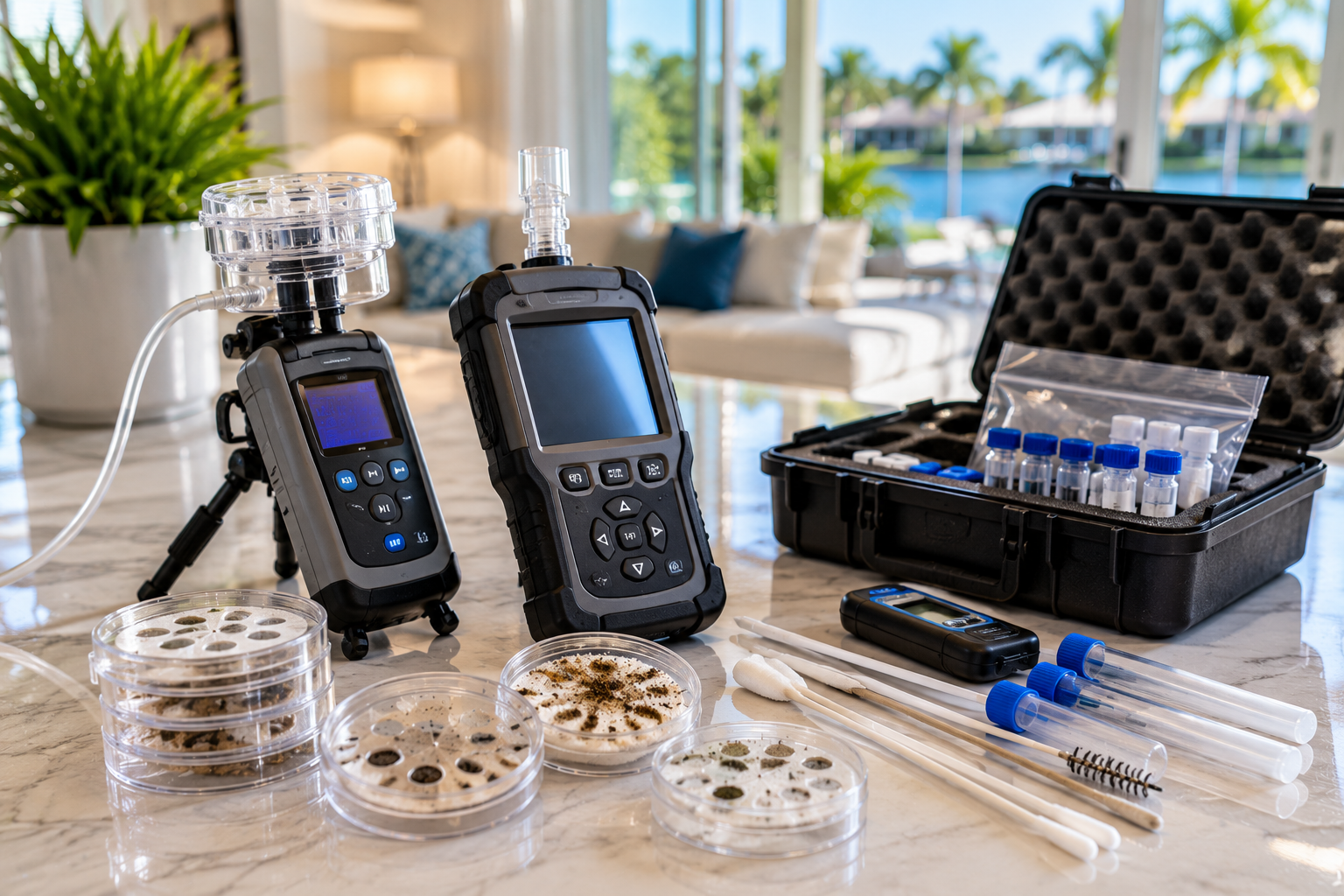
Testing may be useful when suspected mold is hidden, indoor air concerns cannot be traced to a clear source, or documentation is needed before or after remediation. Learn when sampling may provide useful information alongside an inspection of the property’s moisture conditions.
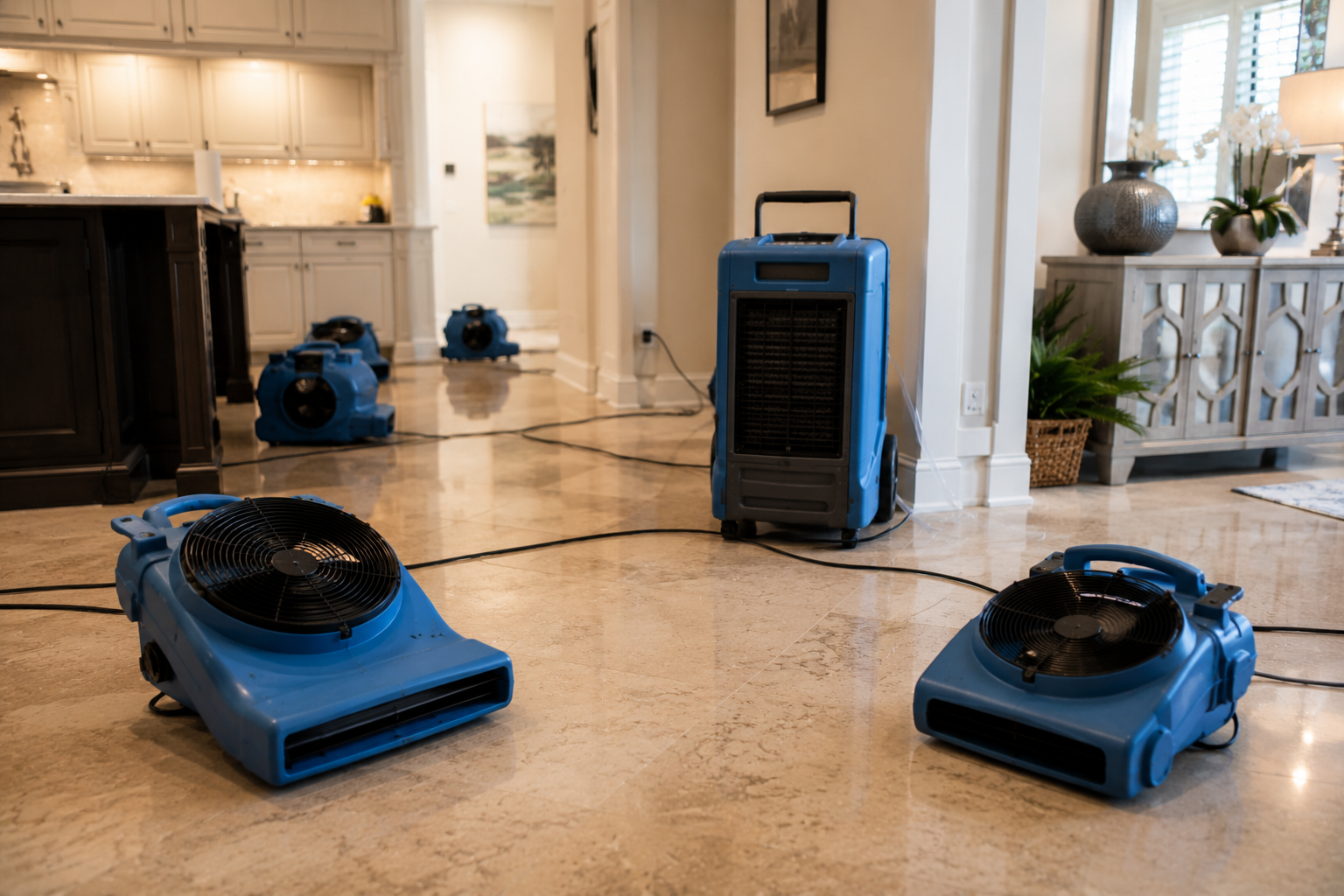
Leaks, flooding, plumbing failures, and storm-related water intrusion can leave moisture inside walls, flooring, insulation, and other enclosed areas. Proper extraction, drying, and moisture monitoring can help reduce the likelihood of water damage developing into a recurring mold problem.
Request a Mold Prevention and Moisture-Control Evaluation in Fort Myers
Moisture-control needs can differ across Lee County depending on coastal exposure, drainage, flooding history, property construction, ventilation, and previous water intrusion. Evaluation may be available for Fort Myers and nearby communities including:
Connect With a Qualified Local Mold Professional
Describe where the recurring moisture concern is located and what you have noticed. Include any condensation, leaks, drainage problems, musty odors, storm exposure, or areas that remain damp after normal drying.
Request an Estimate
Thanks for contacting us! We will be in touch with you shortly.
Please try again later.
Mold Prevention and Moisture Control FAQs for Fort Myers
Why is mold prevention especially important in Fort Myers?
Fort Myers properties are exposed to year-round humidity, warm temperatures, seasonal rainfall, tropical storms, and occasional water intrusion. These conditions can allow moisture to remain inside attics, crawlspaces, walls, flooring, and other enclosed spaces unless ventilation, drainage, leaks, and indoor humidity are properly managed.
What signs indicate that a property may need moisture-control improvements?
Recurring condensation, persistent indoor dampness, musty odors, staining, elevated humidity, and moisture around windows, ceilings, plumbing fixtures, or HVAC equipment may indicate a moisture-control problem. A qualified local mold professional can help evaluate whether ventilation, drainage, dehumidification, repairs, or further mold inspection may be appropriate.
Which areas of a Fort Myers property are most vulnerable to moisture buildup?
Common problem areas include attics with limited ventilation, crawlspaces exposed to ground moisture, bathrooms, kitchens, garages, wall cavities, and areas around HVAC equipment or ductwork. Properties affected by roof leaks, plumbing issues, drainage problems, or previous flooding may have additional hidden moisture concerns.
Can moisture control prevent mold from returning?
Moisture control can reduce the conditions that allow mold to return, but the underlying source must first be identified and corrected. Depending on the property, this may involve repairing leaks, improving airflow, managing indoor humidity, drying affected materials, or addressing drainage and water intrusion.
Should I schedule a moisture assessment after a hurricane or heavy rainfall?
An assessment may be useful when a property has experienced roof damage, wind-driven rain, flooding, plumbing failure, or persistent dampness following severe weather. Hidden moisture can remain behind walls, beneath flooring, inside insulation, or in attic and crawlspace areas even after visible surfaces appear dry.
Is mold prevention useful when no visible mold is present?
Yes. Prevention is particularly relevant when a property has recurring humidity, condensation, musty odors, poor ventilation, or a history of leaks and storm-related water intrusion. Addressing these conditions early may help prevent moisture problems from developing into more extensive mold growth.