Mold Testing Services in Fort Myers
Mold Testing for Hidden Contamination and Specific Indoor Concerns
Mold testing may provide additional information when a specific question about suspected indoor mold remains after inspection or when sampling is needed to help clarify uncertain conditions. Testing should be considered together with visible findings, moisture history, affected materials, and the location of the suspected problem.
A licensed mold assessor can determine whether air, surface, or material sampling is appropriate and interpret the results alongside the property’s moisture conditions and inspection findings.
Fort Myers humidity and water-intrusion risks provide useful context, but testing should remain focused on answering specific questions about the property.
What Mold Testing Can Help Clarify
Mold testing is designed to help identify problems such as:
Hidden mold contamination inside walls, ceilings, or HVAC systems
Poor indoor air quality caused by airborne mold spores
Moisture-related mold growth following leaks or flooding
Uncertainty about the type or severity of mold present in a property
Testing is most useful when it answers a specific question that inspection and moisture findings cannot resolve on their own. It should be interpreted alongside the property conditions rather than treated as a stand-alone diagnosis.
How Professional Mold Testing Works
Mold testing should begin with a clear reason for sampling—such as investigating hidden contamination, documenting conditions, or supporting an assessment. A typical testing process may include:
01
Property Conditions and Testing Objectives
Testing should begin by defining the question the sampling is intended to answer and reviewing visible conditions, moisture history, inspection findings, ventilation, and areas where contamination is suspected.
02
Sampling Plan
The sampling plan should be based on the reason for testing, locations of concern, comparison areas where needed, access conditions, prior water intrusion, and whether air, surface, or material samples are likely to provide useful information.
03
Air, Surface, or Material Sampling
Depending on the assessment question, sampling may involve indoor air, surface material, or other targeted samples collected from selected areas rather than simply testing every room or visibly stained surface.
04
Laboratory Analysis and Result Interpretation
Laboratory results can provide information about organisms detected in the collected samples and their relative amounts under the sampling conditions.
05
Recommended Next Steps
Results should be interpreted alongside inspection findings and moisture conditions to determine whether additional investigation, moisture correction, remediation, or no further mold-specific action is appropriate.
How Property and Moisture Conditions Affect Mold Testing in Fort Myers
High humidity and recent water intrusion can influence where and when sampling is useful in Fort Myers properties. Testing decisions should reflect the building conditions, moisture history, and purpose of the assessment.
Indoor Air Quality Concerns Without a Visible Source
Sampling may be considered when odors or indoor air concerns persist but inspection does not identify a clear visible source.
Hidden Moisture After Leaks or Storms
Water intrusion behind walls, beneath flooring, or inside insulation may influence where sampling could provide useful additional information.
Attics, Crawlspaces, and HVAC-Adjacent Areas
Enclosed or difficult-to-access spaces may require a different testing approach than open interior rooms because moisture and airflow conditions can vary substantially.
Testing Decisions Based on Property Conditions
Sample locations and interpretation should be based on the specific question being investigated rather than Fort Myers climate alone.
Local climate provides useful context, but sampling locations and interpretation should remain tied to the specific property rather than broad environmental assumptions.
When Mold Testing Can Help Clarify Indoor Mold Concerns
Testing is most useful when it answers a specific question that inspection and moisture findings alone do not resolve. That may include suspected hidden indoor mold, unclear surface conditions, previous remediation, or concerns that remain after a water-damage event.
Suspected mold that is not clearly visible
Persistent odors or indoor air concerns without a clear source
Unclear inspection findings where sampling may provide additional information
Documentation or verification needs before or after remediation
Testing is not always necessary when visible growth and an active moisture source are already clear; inspection, moisture correction, or remediation may sometimes be the more appropriate next step.
How Mold Testing Fits Into an Indoor Mold and Water-Damage Evaluation
Mold testing is most useful when it answers a specific question within a broader evaluation of indoor mold, moisture, and property conditions. Sampling should support inspection findings rather than substitute for identifying active leaks, flooding, wet materials, or other moisture sources.
Inspection and Moisture Findings Usually Come First
Visible conditions, musty odors, water-damage history, moisture readings, and the location of suspected growth can help determine whether testing is likely to provide useful additional information. Sampling every room or stained surface is not automatically necessary.
Active Water Damage Should Be Addressed Directly
If flooding, roof leaks, plumbing failures, or other active water intrusion is still leaving materials wet, testing does not replace extraction, drying, repairs, or water damage restoration. Stabilizing the moisture condition may be more important than collecting additional samples.
Testing When Hidden or Uncertain Conditions Remain
Sampling may be useful when suspected indoor mold is not clearly visible, inspection findings are inconclusive, or a specific question remains about an enclosed or difficult-to-access area. The sample location should be chosen because it helps answer that question.
Pre- and Post-Remediation Sampling
Testing may also be used when documentation is needed before remediation or when a specific post-remediation assessment question must be answered. Results should be interpreted alongside the remediation scope, property conditions, and moisture findings rather than viewed in isolation.
Mold testing provides the most value when the reason for sampling is clear and the results are interpreted together with inspection findings, indoor mold conditions, and the property’s water-damage history.
Related Services Before or After Mold Testing
Mold testing is usually most useful when it supports a broader decision about inspection findings, moisture conditions, remediation, or water damage rather than functioning as a stand-alone service.
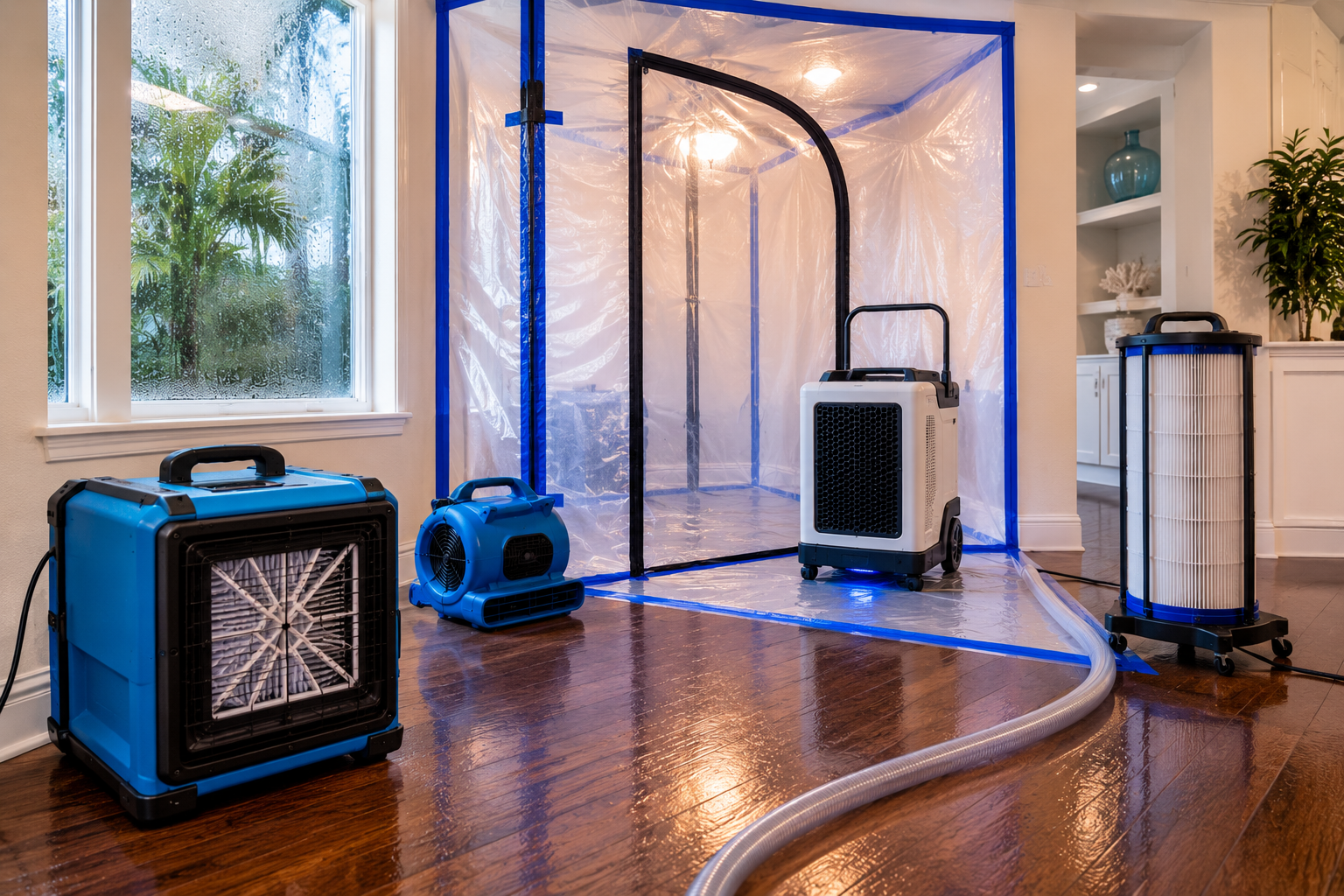
If inspection findings and testing indicate that indoor mold is affecting materials that require containment, cleaning, removal, or moisture correction, mold remediation may be the next step. The scope should reflect both the affected materials and the moisture condition associated with the problem.
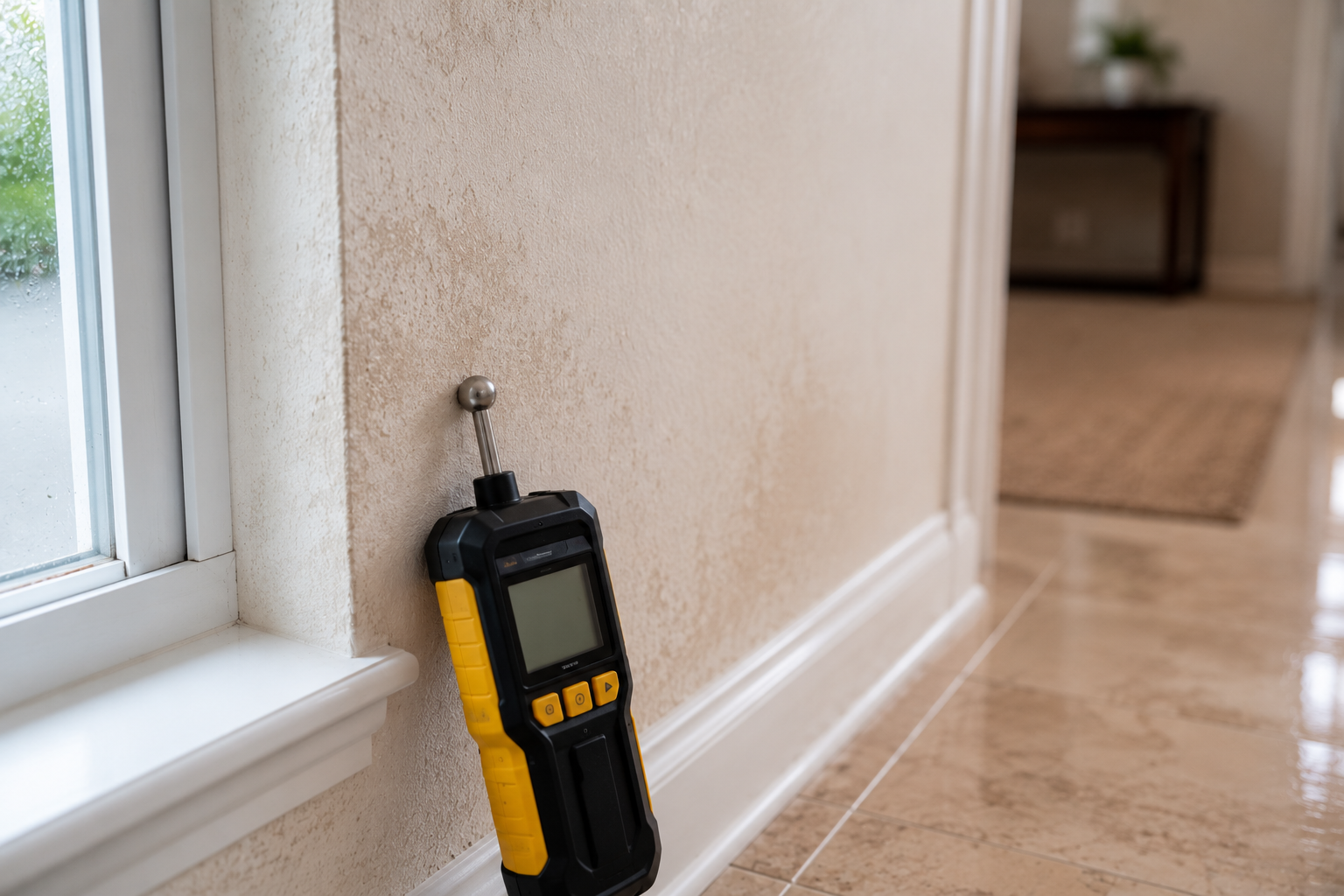
When the source, location, or extent of suspected indoor mold is unclear, inspection may be the better first step. Reviewing visible conditions, hidden moisture, water-intrusion history, and affected areas can help determine whether sampling is actually needed.
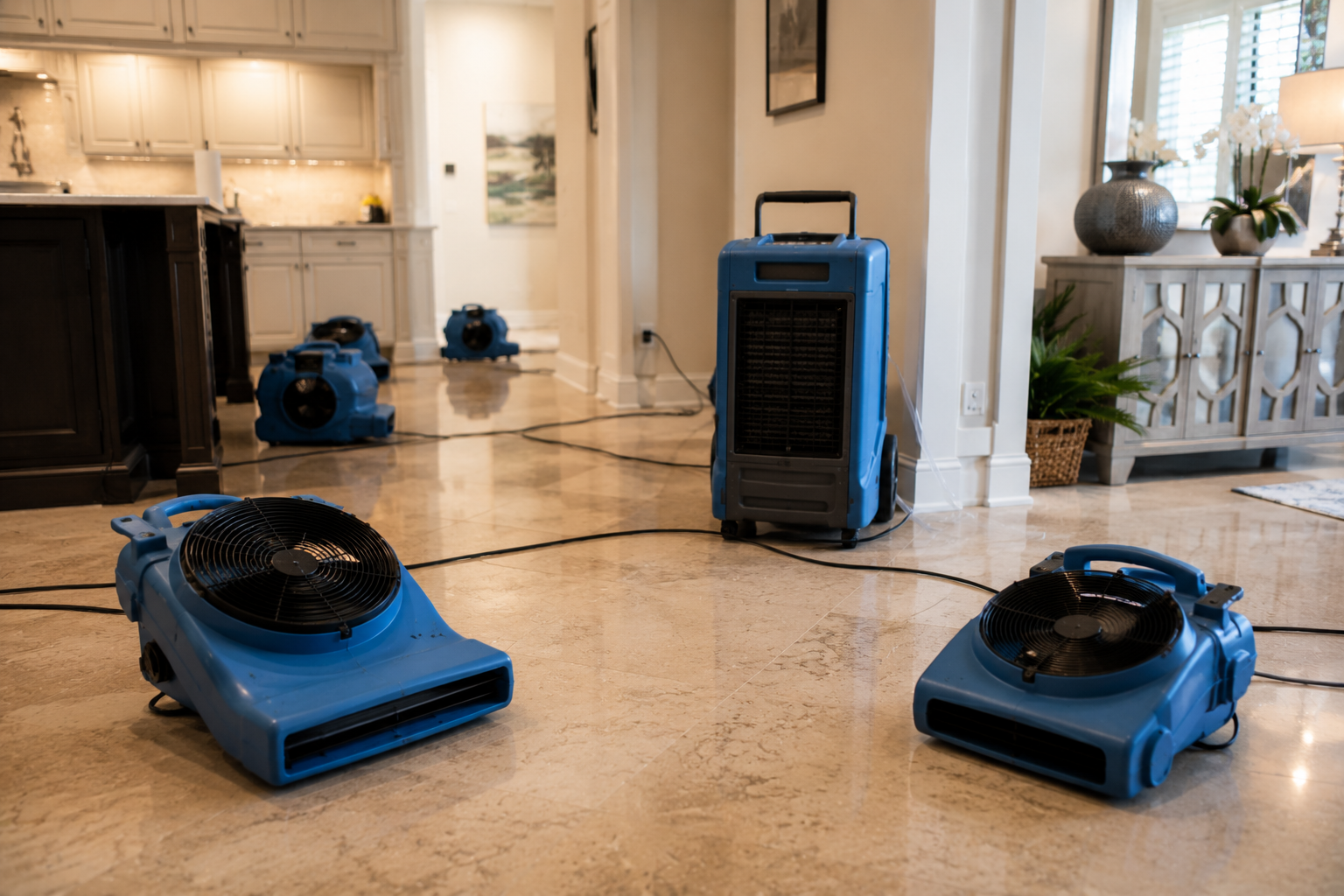
If active flooding, leaks, or water-damaged materials are still present, water damage restoration and drying may need to be addressed before the mold concern is considered in stable property conditions. Testing should not replace correction of an active water or moisture problem.
Cost Factors for Mold Testing
Testing costs are primarily influenced by the number and type of samples, laboratory requirements, property access, and the complexity of the assessment.
Scope of testing required
Laboratory analysis requirements
Accessibility of affected areas
Complexity of contamination concerns
Number of samples collected
LOCAL ESTIMATE RANGE
$200 - $800*
*Requires on-site evaluation for accurate pricing
Helpful Mold and Moisture Resources Before Requesting Mold Testing
Before requesting testing, it is important to determine whether sampling is likely to add useful information or whether inspection, moisture investigation, or remediation should come first. These resources can help clarify when testing fits into the broader evaluation process.
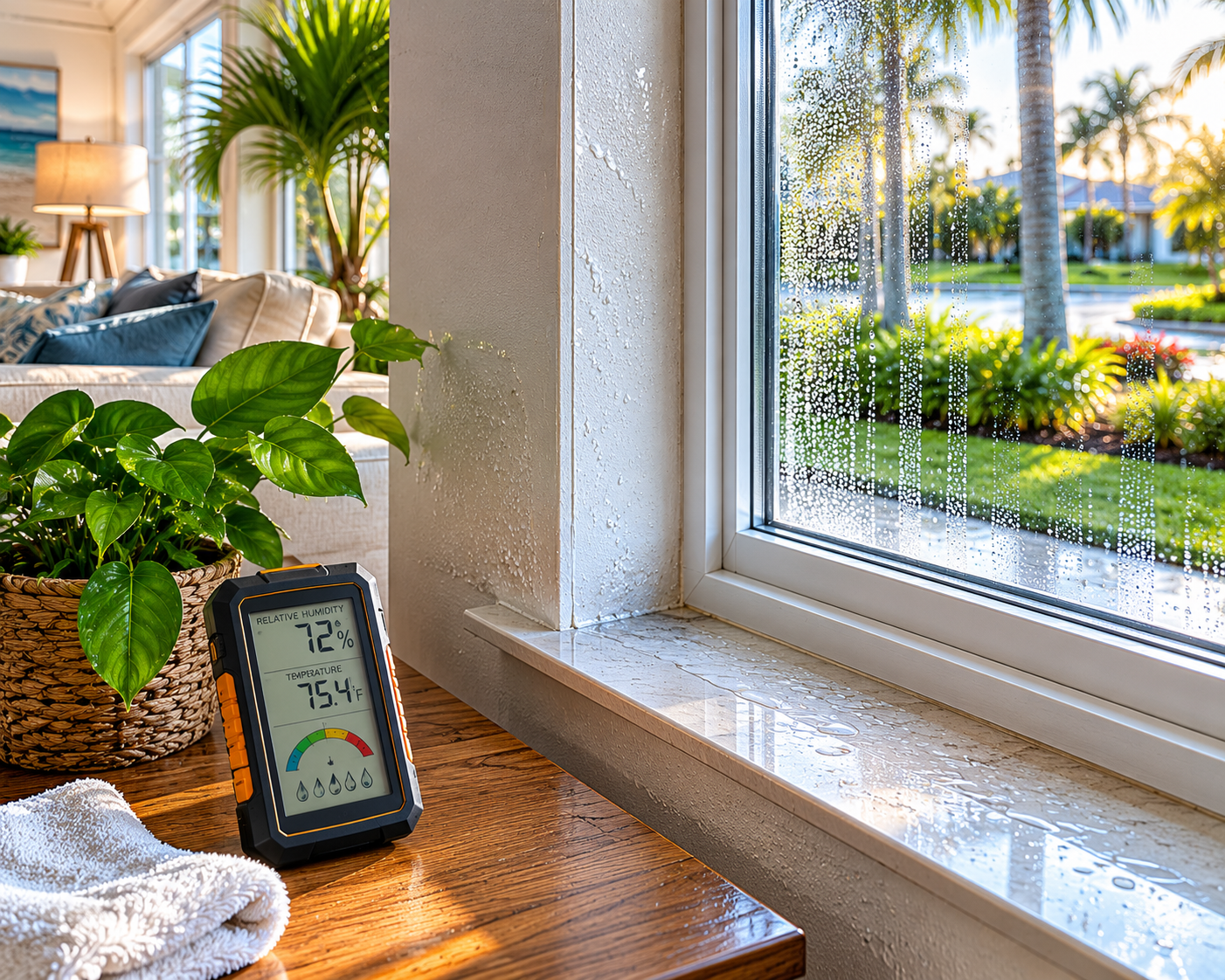
Musty odors, recurring discoloration, damp materials, or visible growth can indicate an indoor mold or moisture concern that requires further investigation. Review common warning signs to help determine whether inspection should come before testing and which areas should be discussed with the assessor.
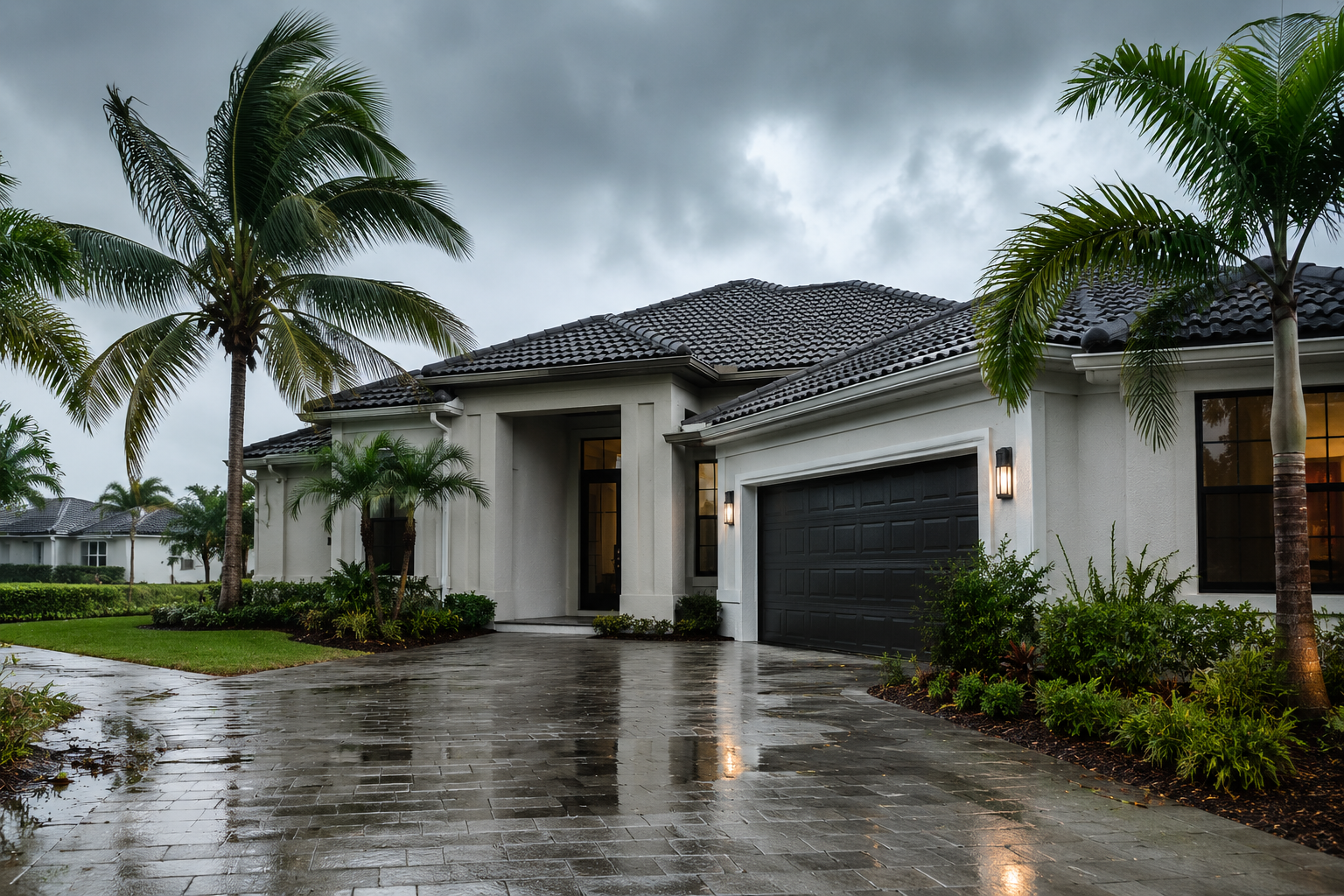
Storm-related water damage can leave hidden moisture behind walls, beneath flooring, inside insulation, and in other enclosed areas where indoor mold may develop. A post-storm inspection can help determine whether drying, water damage restoration, or further mold testing is appropriate.
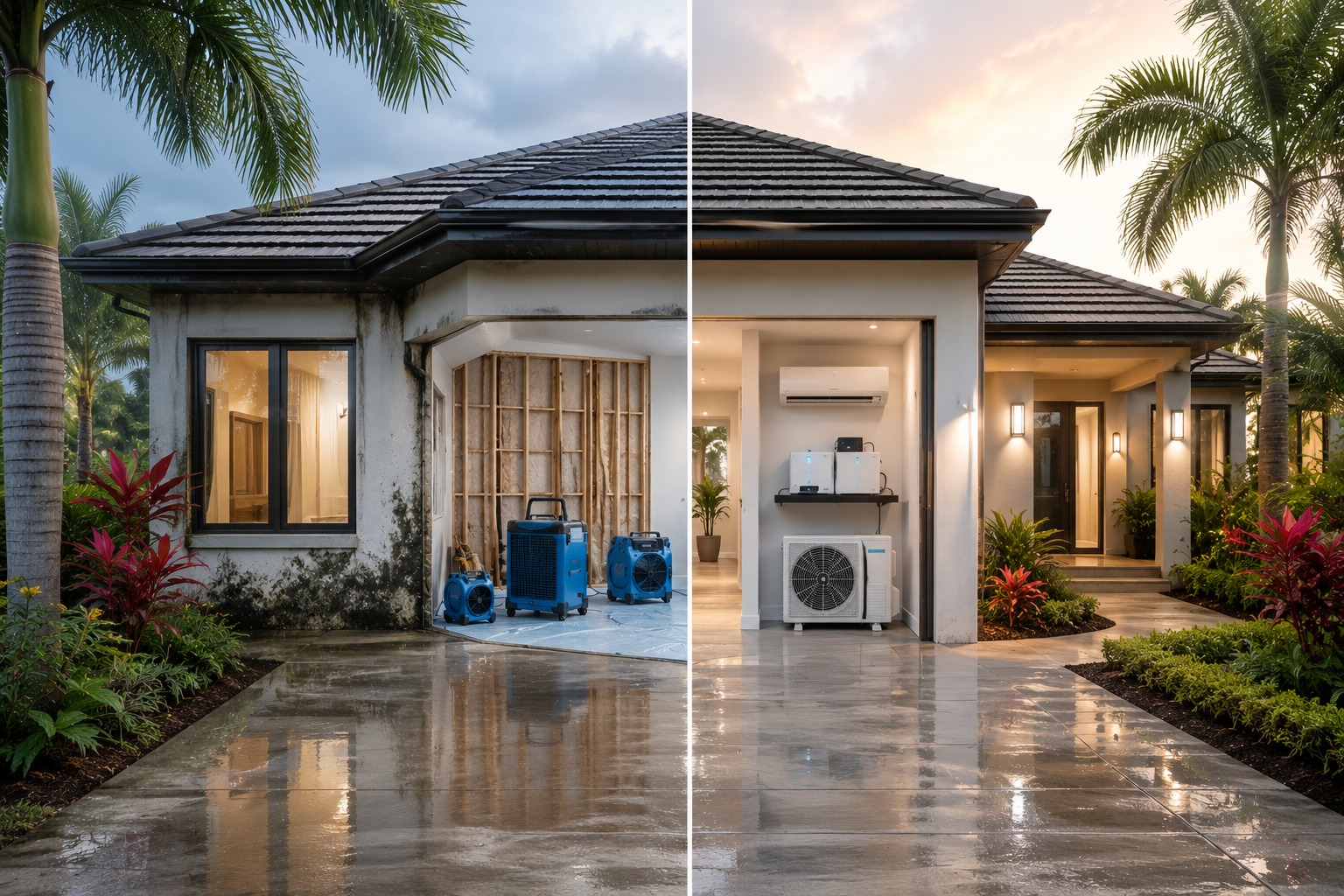
Testing may contribute information when the appropriate response to suspected indoor mold is unclear, but the final scope also depends on affected materials and moisture conditions. Compare limited material removal with broader remediation involving containment, drying, and moisture correction.

Indoor mold control depends on correcting humidity, leaks, drainage, ventilation, and water intrusion rather than testing alone. After significant flooding or water damage, structural drying or water damage restoration may also be needed to address materials that remain wet.
Request an Estimate
We will get back to you as soon as possible.
Please try again later.
Mold Testing Services in Fort Myers and Nearby Lee County Communities
Mold testing needs across Lee County can differ depending on whether the concern involves hidden moisture, flooding history, indoor air conditions, previous remediation, or unclear inspection findings. Service information is available for Fort Myers and nearby communities including:
Across Lee County, testing needs can differ between properties affected by flooding, persistent humidity, hidden leaks, or previous remediation work.
Request Mold Testing
Mold testing may be useful when suspected growth is hidden, indoor air concerns cannot be traced to a clear source, or documentation is needed before or after remediation.
Explain why you are considering testing and any known moisture or water-damage history so the appropriate sampling approach can be reviewed.
Thanks for contacting us! We will be in touch with you shortly.
Please try again later.
Mold Testing FAQs for Fort Myers Properties
When is mold testing useful?
Testing may be useful when mold is suspected but not clearly visible, when musty odors or indoor air concerns cannot be traced to a specific area, or when documentation is needed before or after remediation. It should be used to answer a defined question rather than as a substitute for inspecting moisture conditions.
What is the difference between mold testing and mold inspection?
A mold inspection examines the building, moisture history, visible conditions, and potential sources of growth. Mold testing collects air, surface, or material samples for laboratory analysis. In many cases, inspection determines whether testing will provide useful additional information.
Is mold testing always needed before remediation?
No. When visible growth and the moisture source are already clear, testing may not change the recommended response. It may be more useful when contamination is hidden, the extent is uncertain, documentation is required, or post-remediation verification has been requested.
What can mold-testing results tell me?
Laboratory results can identify organisms found in collected samples and report their relative amounts under the sampling conditions. Results should be interpreted alongside the inspection, moisture findings, water-damage history, and location of the samples rather than viewed as a stand-alone judgment about the entire property.
Who should perform mold testing in Florida?
When testing forms part of a formal mold assessment, it should be performed or supervised by an appropriately licensed mold assessor. If the results indicate that remediation is needed, the remediation work should be handled separately by a licensed mold remediator.