Post-Storm Mold Inspection in Fort Myers
Post-Storm Mold Inspection for Hidden Moisture and Water Intrusion
Storms can create both visible water damage and hidden indoor mold concerns when wind-driven rain, roof damage, flooding, or storm surge allows moisture to move into walls, flooring, insulation, attics, and other enclosed areas. A post-storm mold inspection can help determine whether materials remain damp and whether inspection, drying, water damage restoration, testing, or remediation may be appropriate.
A qualified local mold professional can help review the circumstances and determine whether inspection, testing, drying, water damage restoration, or remediation may be appropriate. When a formal mold assessment is required, a licensed mold assessor can inspect moisture-prone areas and document conditions that may require further action.
Why Hidden Moisture Matters After Fort Myers Storms
After storms in Fort Myers, mold risks often increase due to:
Water Can Travel Beyond the Visible Damage
Wind-driven rain, roof leaks, flooding, or exterior water entry can move into wall cavities, flooring systems, ceilings, insulation, and other materials beyond the area where water is first noticed.
Porous Materials Can Remain Damp After Surfaces Appear Dry
Drywall, insulation, wood, flooring, cabinets, and other materials may hold moisture internally even when the exposed surface no longer feels wet.
Enclosed Areas May Dry More Slowly
Attics, wall cavities, crawlspaces, cabinets, and layered flooring systems can retain moisture because air movement and access are limited.
Persistent Humidity Can Extend Drying Time
High outdoor and indoor humidity after a storm can make natural drying slower, particularly when HVAC operation, ventilation, or building access has been disrupted.
The purpose of a post-storm inspection is to identify where moisture may still be present and determine whether drying, further assessment, testing, restoration, or remediation should come next.
In many cases, this begins with proper water damage restoration to remove excess moisture before mold develops.
What a Post-Storm Mold Inspection Can Identify
A post-storm inspection can help review conditions such as:
Moisture behind walls, beneath flooring, or inside ceilings
Damp insulation, framing, drywall, or other porous materials
Roof- or exterior-related water-entry patterns
Areas that remain humid or slow to dry
Visible staining, odors, or mold-like growth following the storm
Inspection findings can help determine whether the next step involves structural drying, water damage restoration, a formal mold assessment, targeted testing, or remediation.
If mold has already developed, professional mold remediation services may be required to fully remove contamination.
Common Post-Storm Problem Areas
After storms in Fort Myers, inspections often focus on:
Attics and Roof Assemblies
Roof leaks, damaged flashing, vents, penetrations, or wind-driven rain can introduce water into roof decking, framing, and insulation without producing an immediate ceiling leak.
Crawlspaces and Subfloor Areas
Flooding, saturated ground, runoff, or standing water can leave lower structural materials damp and difficult to inspect.
Walls, Insulation, and Ceiling Cavities
Water can move behind drywall or through insulation from roof, window, exterior-wall, or plumbing-related entry points.
Flooring and Subfloors
Water may travel beneath finished flooring and remain in underlayment, subflooring, baseboards, cabinets, or adjoining wall materials.
The areas that need closer review should follow the path of the storm-related water rather than a fixed inspection checklist.
Areas like attic mold and crawlspace mold are especially vulnerable after storms.
What to Expect During a Post-Storm Mold Inspection
A typical inspection follows a structured process focused on early detection:
01
Storm Exposure and Water-Entry Review
Review when the storm occurred, where water entered or was observed, whether the property experienced roof damage, flooding or wind-driven rain, and which materials were visibly affected.
02
Inspection Scope Based on Exposure and Affected Areas
The inspection scope should reflect the water path, property construction, affected rooms or assemblies, access conditions, and whether visible damage suggests moisture may extend into concealed areas.
03
Moisture Detection in High-Risk Materials
Visual review, moisture measurements, and thermal imaging where appropriate may help identify damp walls, ceilings, flooring, insulation, framing, or other areas that require closer investigation.
04
Findings and Assessment or Testing Recommendations
Findings should help determine whether further mold assessment, targeted sampling, structural drying, water damage restoration, or remediation may be appropriate. Testing should be recommended only when it answers a defined question.
05
Drying and Mold-Prevention Guidance
Recommendations may include continued drying, dehumidification, repair of the water-entry source, removal of materials that cannot be adequately dried, or follow-up evaluation where moisture remains.
How Fort Myers Storm Damage and Water Intrusion Can Lead to Indoor Mold
Conditions unique to the area influence how inspections must be performed:
Wind-Driven Rain and Roof-Related Water Entry
Tropical systems can drive rain through damaged roofing, flashing, vents, windows, exterior openings, or other vulnerable areas that may not leak during normal rainfall.
Flooding, Storm Surge, and Low-Lying Properties
Floodwater or storm surge can affect walls, flooring, lower structural areas, cabinets, insulation, and other porous materials, particularly where water remained for an extended period.
High Humidity and Slow Drying After Storms
Fort Myers humidity can make drying more difficult after a water event, especially when the building has limited ventilation or disrupted air conditioning.
Hidden Moisture in Attics, Walls, Flooring, and Crawlspaces
Enclosed materials can remain damp after visible water disappears, making the storm history and water path important when deciding where to inspect.
The inspection should reflect how the particular storm affected the property rather than assuming every home has the same moisture pattern.
When to Request a Post-Storm Mold Inspection
Post-storm inspection may be useful when water entered the property, materials remain damp, or warning signs appear after severe weather even though the extent of the moisture is unclear.
Roof damage, wind-driven rain, or ceiling staining appeared after the storm
Floodwater, storm surge, or standing water entered the property
Musty odors developed after rainfall or flooding
Walls, flooring, insulation, cabinets, or other materials remain damp
Repairs or renovations are planned in areas previously affected by storm wate
When significant water is still present, extraction and structural drying may need to come before mold-specific inspection or testing.
If you're unsure, reviewing the signs of mold in your home can help confirm whether inspection is needed.
If mold is spreading quickly or conditions are worsening, immediate emergency mold remediation may be necessary.
Cost Factors for Post-Storm Mold Inspection
Post-storm inspection costs depend on how much of the property was affected, how many areas require moisture review, accessibility, and whether additional assessment or sampling is needed.
Size of the property
Use of specialized tools or testing
Number of areas inspected
Accessibility of affected spaces
Level of moisture detection required
LOCAL ESTIMATE RANGE
$150 - $600+*
*Requires on-site evaluation for accurate pricing
For a detailed breakdown, see cost of mold remediation in Fort Myers.
Mold and Moisture Services That May Be Needed After a Storm
Storm-related water intrusion can require different services depending on where moisture entered, how long materials remained wet, and whether mold growth has already developed. Explore these related services to understand the possible next steps before requesting a post-storm inspection.
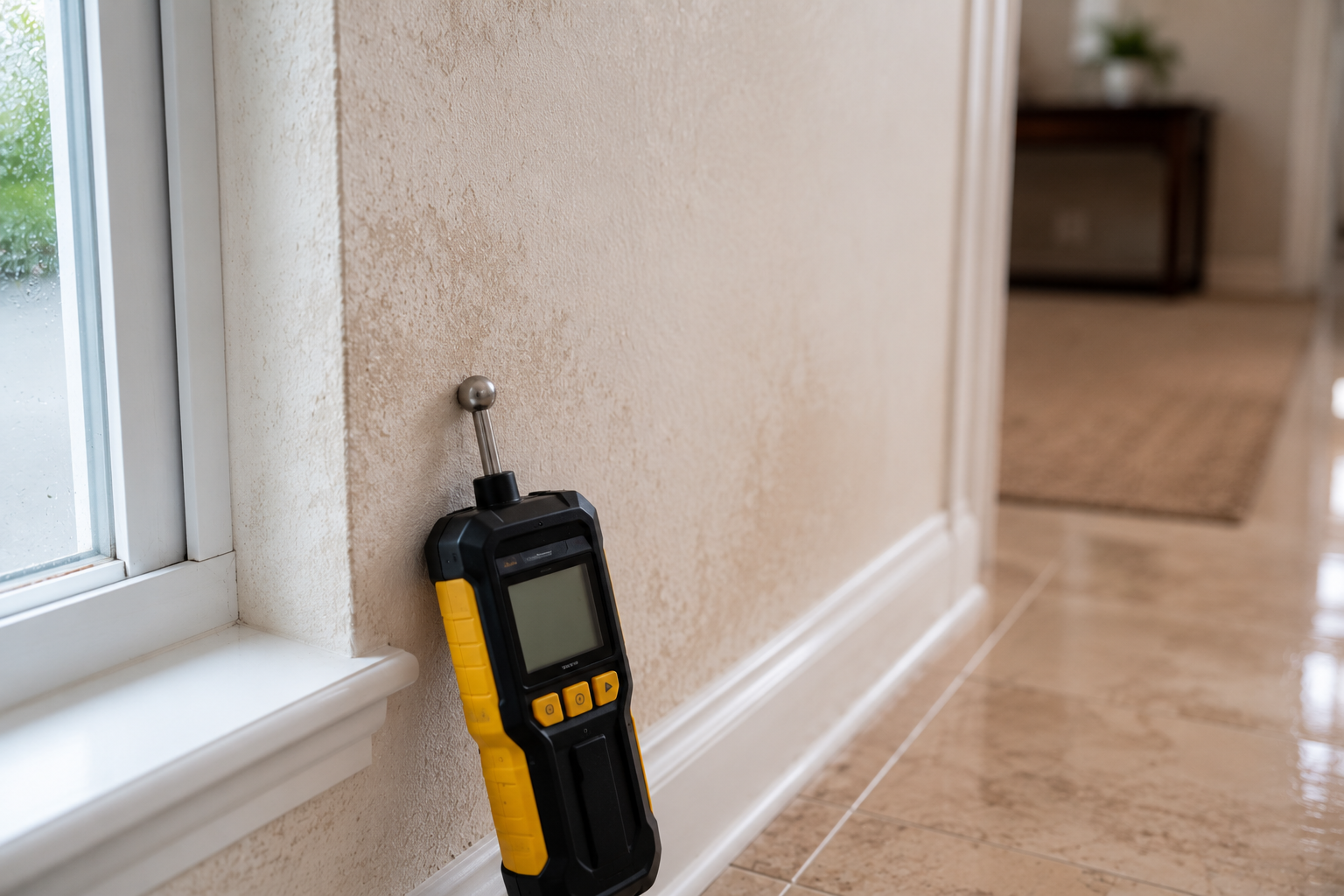
A broader mold inspection can help identify visible and hidden moisture conditions in attics, walls, flooring, crawlspaces, and other enclosed areas. This may be appropriate when the source or extent of storm-related moisture is unclear.
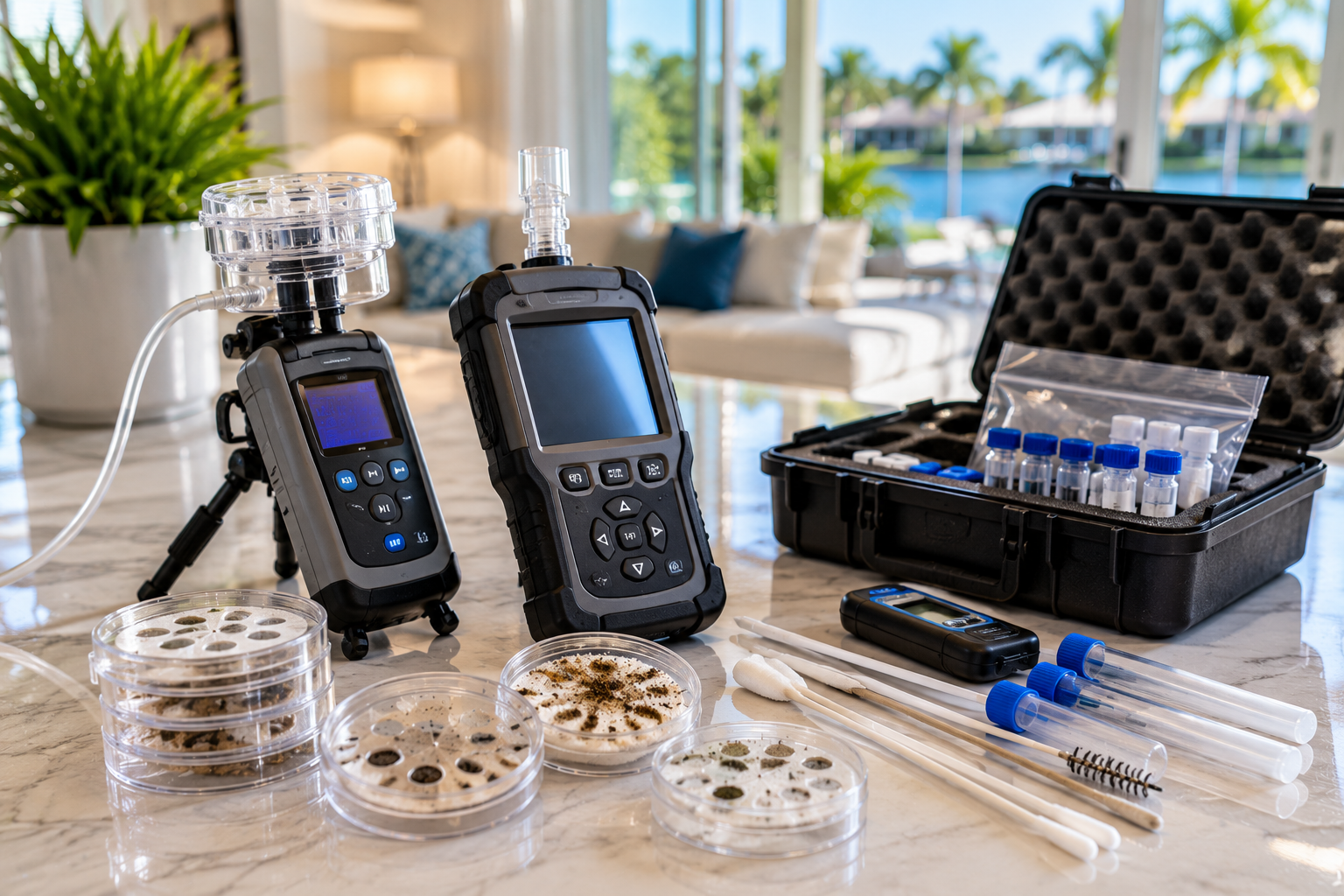
Testing may be useful when suspected contamination is hidden, indoor air concerns cannot be traced to a specific area, or additional documentation is needed. Sampling should support a defined inspection question rather than replace an evaluation of moisture and property conditions.
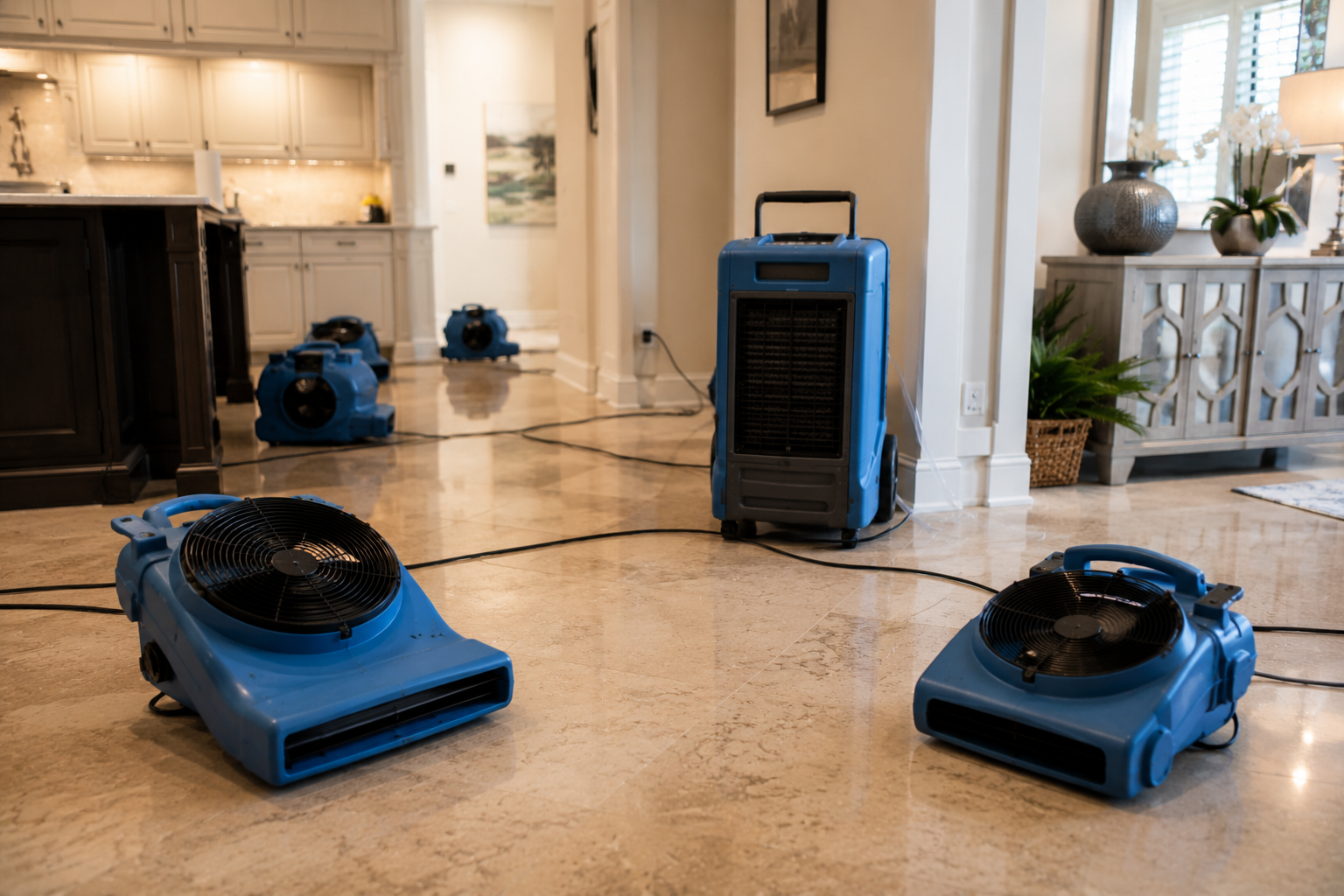
Flooding, roof leaks, and wind-driven rain may require extraction, structural drying, removal of damaged materials, and ongoing moisture monitoring. Timely water damage restoration can help stabilize affected areas before hidden moisture contributes to a larger mold problem.
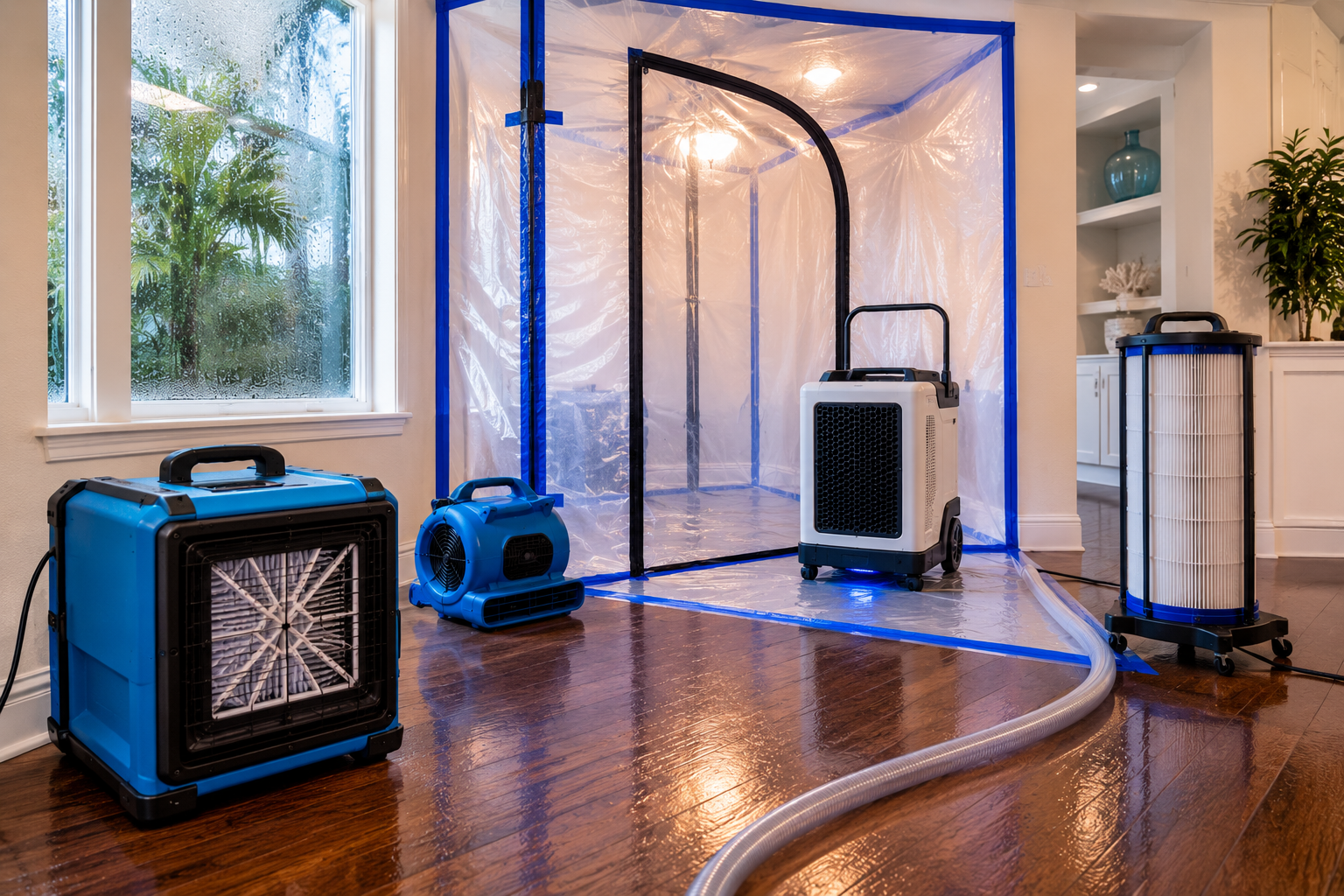
When storm water, flooding, or roof damage leaves materials wet, extraction, drying, dehumidification, and moisture monitoring may need to occur before mold-related concerns can be fully addressed.
Request a Post-Storm Mold Inspection in Fort Myers
Storm-related inspection needs can differ across Lee County depending on rainfall, flooding, storm surge, coastal exposure, roof damage, elevation, and how long affected materials remained wet. Post-storm inspection information is available for Fort Myers and nearby communities including:
Connect With a Local Mold Inspection Professional
Hurricanes, tropical storms, wind-driven rain, roof damage, and flooding can leave hidden moisture inside Fort Myers homes and businesses. Share how the property was affected so a local mold inspection professional can help determine which areas may require further inspection or moisture assessment.
Request an Estimate
Tell us what type of storm or water event affected the property, when it occurred, and where water or dampness was noticed. Include any roof damage, flooding, staining, odors, wet materials, or areas that have been difficult to dry.
Thanks for contacting us! We will be in touch with you shortly.
Please try again later.
Post-Storm Mold Inspection FAQs for Fort Myers
When should I schedule a post-storm mold inspection in Fort Myers?
An inspection may be appropriate after hurricanes, tropical storms, heavy rainfall, flooding, roof damage, or wind-driven rain—particularly when water entered the property or materials remained damp. Musty odors, staining, elevated humidity, and unexplained moisture after a storm are additional reasons to consider an inspection.
Which areas should be checked after storm-related water intrusion?
Inspections commonly focus on roof and attic areas, ceilings, exterior walls, insulation, flooring, subfloors, crawlspaces, and spaces around windows or doors. The appropriate inspection areas depend on how water entered the property and where moisture may have travelled or remained trapped.
Can a property have storm-related mold problems without visible water damage?
Yes. Moisture may remain behind walls, beneath flooring, above ceilings, or inside insulation even when visible surfaces appear dry. A post-storm inspection can help identify moisture-prone areas that may not be apparent during a basic visual review.
What is the difference between a post-storm mold inspection and water damage restoration?
A post-storm mold inspection focuses on identifying moisture conditions, suspected mold growth, and areas that may require further attention. Water damage restoration focuses on extracting water, drying affected materials, and stabilizing the property after leaks, flooding, or storm-related water intrusion. Some properties may require both services.
Is mold testing always required after a storm?
No. Testing is not automatically necessary after every storm or water event. It may be considered when suspected contamination is not clearly visible, indoor air quality concerns are present, documentation is needed, or an inspection identifies conditions that require additional information.
What information should I provide when requesting a post-storm inspection?
Describe when the storm or water intrusion occurred, how water may have entered, which rooms or areas were affected, and whether drying or repairs have already taken place. Also mention any musty odors, visible staining, damp materials, roof damage, or changes in indoor humidity.