Crawlspace Mold Treatment in Fort Myers
Crawlspace Mold Treatment for Ground Moisture, Drainage, and Airflow Problems
Crawlspace mold is an indoor mold problem closely connected to moisture conditions beneath the building. Ground moisture, poor drainage, standing water, humid air, limited ventilation, plumbing leaks, and flooding can all keep crawlspace materials damp enough for mold concerns to develop or return.
A qualified local mold professional can help review the conditions, and when treatment is required, a licensed mold remediation professional can address contaminated materials and recommend appropriate moisture-control measures.
Heavy rainfall and humidity around Fort Myers properties can make crawlspace drying and long-term moisture management particularly important.
What Crawlspace Mold Treatment Addresses
Crawlspace mold treatment is designed to solve problems such as:
Mold growth caused by damp crawlspace conditions
Ground moisture and vapor intrusion beneath the property
Humidity buildup due to poor airflow and ventilation
Moisture-related damage affecting subfloors and structural materials
Crawlspace moisture can remain unnoticed for long periods, especially where drainage, ground vapor, or limited airflow keeps the area damp. Addressing those conditions early can help prevent moisture from affecting subflooring and other structural materials.
How Crawlspace Mold Treatment Works
Crawlspace treatment should begin with understanding how moisture is entering and whether airflow, drainage, plumbing, or ground vapor is contributing to the problem. The treatment process may include:
01
Crawlspace Conditions and Moisture Review
The crawlspace should be reviewed for visible growth, damp or soft subflooring, standing water, plumbing leaks, drainage problems, airflow limitations, ground vapor, and other conditions that may be keeping the area wet.
02
Treatment and Moisture-Control Plan
The treatment plan should reflect the extent of affected materials, crawlspace access, subfloor condition, drainage, ground-moisture exposure, airflow, and whether vapor-control or encapsulation measures are appropriate.
03
Containment, Cleaning, and Material Removal
Depending on the crawlspace conditions, treatment may include containment, cleaning or removal of affected materials, drying, vapor-barrier work, and correction of moisture conditions beneath the property. Encapsulation should be considered only where the drainage and vapor conditions justify it.
04
Drying, Vapor Control, and Moisture Verification
Subflooring, framing, soil or ground-cover conditions, and other damp areas should be reviewed during drying to determine whether moisture levels are improving and whether water or vapor is continuing to enter the crawlspace.
05
Drainage and Recurrence-Prevention Recommendations
Follow-up recommendations may address exterior drainage, plumbing leaks, vapor barriers, ventilation, dehumidification, ground moisture, or encapsulation depending on the cause of the crawlspace problem.
How Local Conditions Affect Crawlspace Mold Treatment in Fort Myers
Fort Myers rainfall, drainage, groundwater conditions, humidity, and flood exposure can influence how much moisture reaches crawlspaces and how quickly materials dry. Water damage restoration may become relevant when flooding, plumbing failures, or standing water affect the crawlspace rather than humidity alone.
Low-Lying Properties and Ground Moisture
Low elevation and saturated soil can increase the amount of moisture moving into or collecting beneath a crawlspace after heavy rainfall.
Heavy Rainfall and Drainage Problems
Poor drainage or repeated storm runoff can leave crawlspace soil, supports, and subfloor materials damp long after surface water is gone.
Limited Airflow and Trapped Humidity
Crawlspaces with restricted ventilation can hold humid air around framing and subflooring, slowing drying and increasing the likelihood of recurring moisture problems.
Vapor Intrusion and Subfloor Conditions
Ground vapor, exposed soil, damaged barriers, and damp subfloor materials can all influence whether cleaning alone is sufficient or broader moisture control is needed.
Long-term control often depends on correcting drainage, vapor, and airflow conditions rather than treating visible growth alone.
When to Request Crawlspace Mold Treatment
Crawlspace mold treatment may be appropriate when moisture or visible growth is affecting the area beneath the property and the problem is connected to drainage, ground vapor, plumbing leaks, flooding, or limited airflow.
Musty odors coming from floors or lower areas of the home
Damp or soft subfloor conditions
Visible mold growth beneath the property
Recent flooding, drainage problems, or excessive moisture buildup
Damp or soft subflooring, standing water, and persistent odors may indicate that moisture has affected more than the visible crawlspace surfaces.
How Indoor Mold and Moisture Conditions Change the Crawlspace Treatment Scope
Crawlspace indoor mold can range from localized surface growth to a broader moisture problem affecting subflooring, framing, insulation, and the conditions beneath the property. The treatment scope depends on whether moisture is coming from ground vapor, drainage, plumbing, flooding, or persistent humidity.
Localized Growth vs. Affected Subfloor and Framing
Surface growth may sometimes be limited to accessible materials, while persistent moisture can affect subflooring, floor joists, supports, insulation, and other structural components. Soft materials, staining, or recurring odors can indicate that the problem extends beyond the visible surface.
Ground Vapor and Persistent Humidity
Exposed soil, damaged vapor barriers, saturated ground, and limited airflow can allow moisture to remain beneath the property even without an active leak. Cleaning visible growth alone may not be sufficient when the crawlspace remains persistently humid.
Standing Water, Flooding, and Plumbing Leaks
Flooding, storm runoff, plumbing failures, or poor drainage can introduce liquid water into the crawlspace and leave framing or subfloor materials wet. These conditions may require extraction, structural drying, or water damage restoration before longer-term moisture-control work is completed.
When Drainage, Vapor Control, or Encapsulation Becomes Part of the Scope
Some crawlspaces require more than mold treatment. Drainage correction, vapor barriers, dehumidification, airflow changes, or encapsulation may be appropriate when the underlying moisture source would otherwise continue affecting the area.
The crawlspace treatment plan should address both the indoor mold affecting materials beneath the property and the moisture pathway—whether ground vapor, drainage, flooding, plumbing, or humidity—that is allowing the problem to persist.
If you’re researching next steps, these articles may help you
Related Services for Crawlspace Mold and Moisture Problems
Crawlspace mold often involves more than surface growth. Inspection, testing, remediation, or water-damage drying may be needed depending on whether the main concern is hidden contamination, standing water, affected subfloor materials, or an unresolved moisture source.
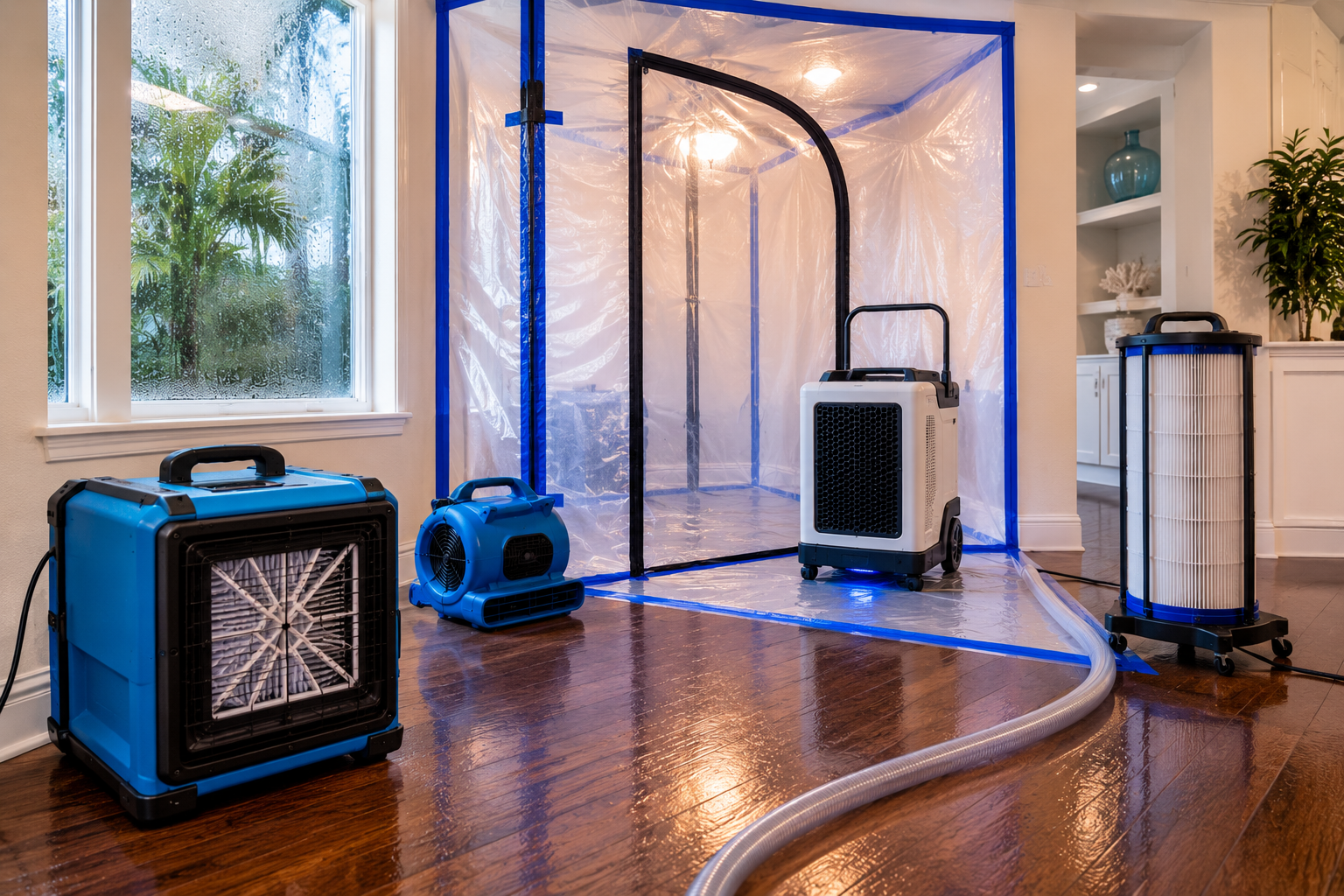
If indoor mold beneath the property extends beyond localized surfaces or affects framing, subflooring, insulation, or connected interior materials, a broader mold remediation plan may be needed. The scope should also address the drainage, ground-moisture, or airflow condition supporting the problem.
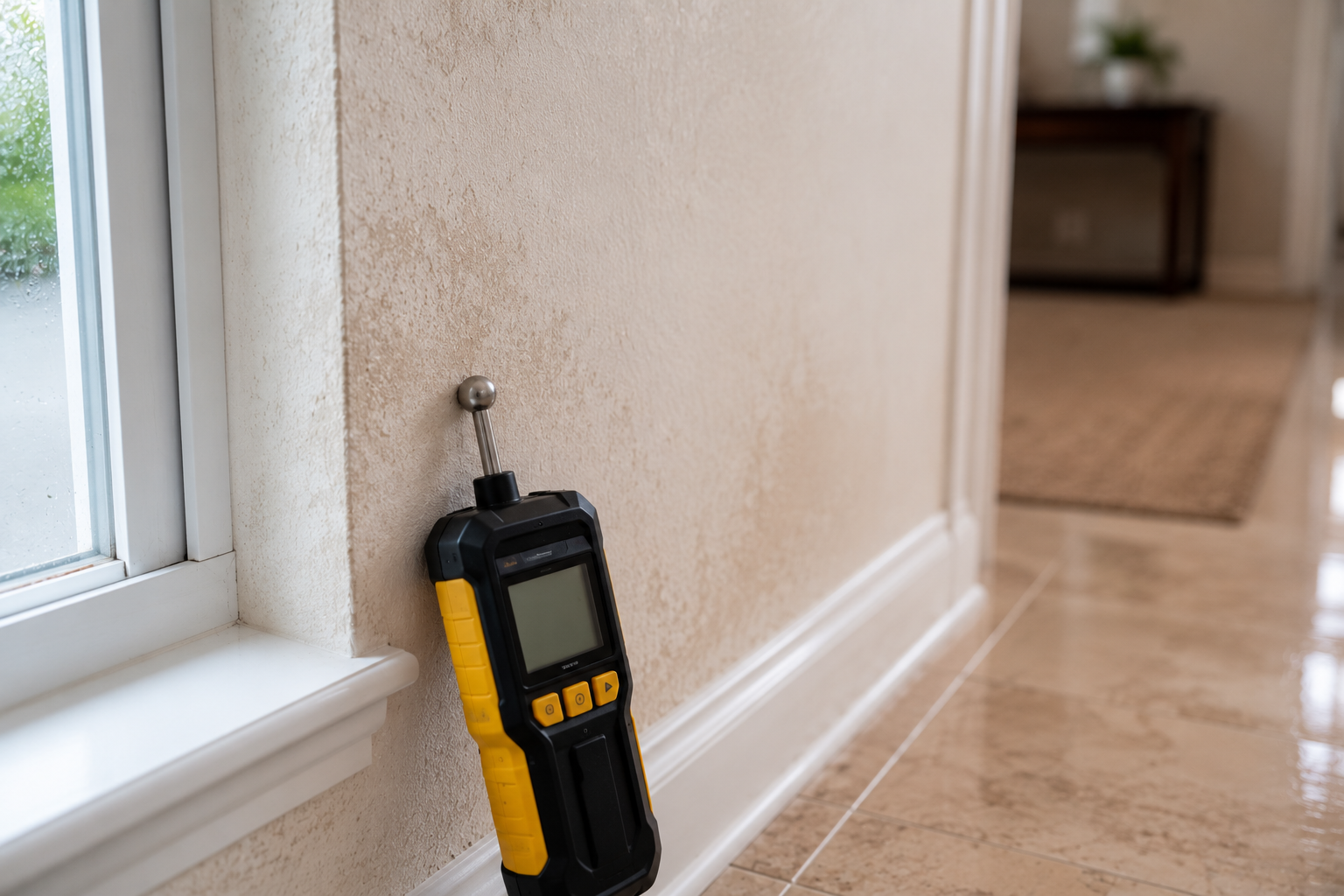
When crawlspace odors, damp flooring, or recurring humidity suggest indoor mold but the location or extent is unclear, inspection can evaluate the crawlspace, subfloor, drainage, plumbing, vapor conditions, and other possible moisture sources.
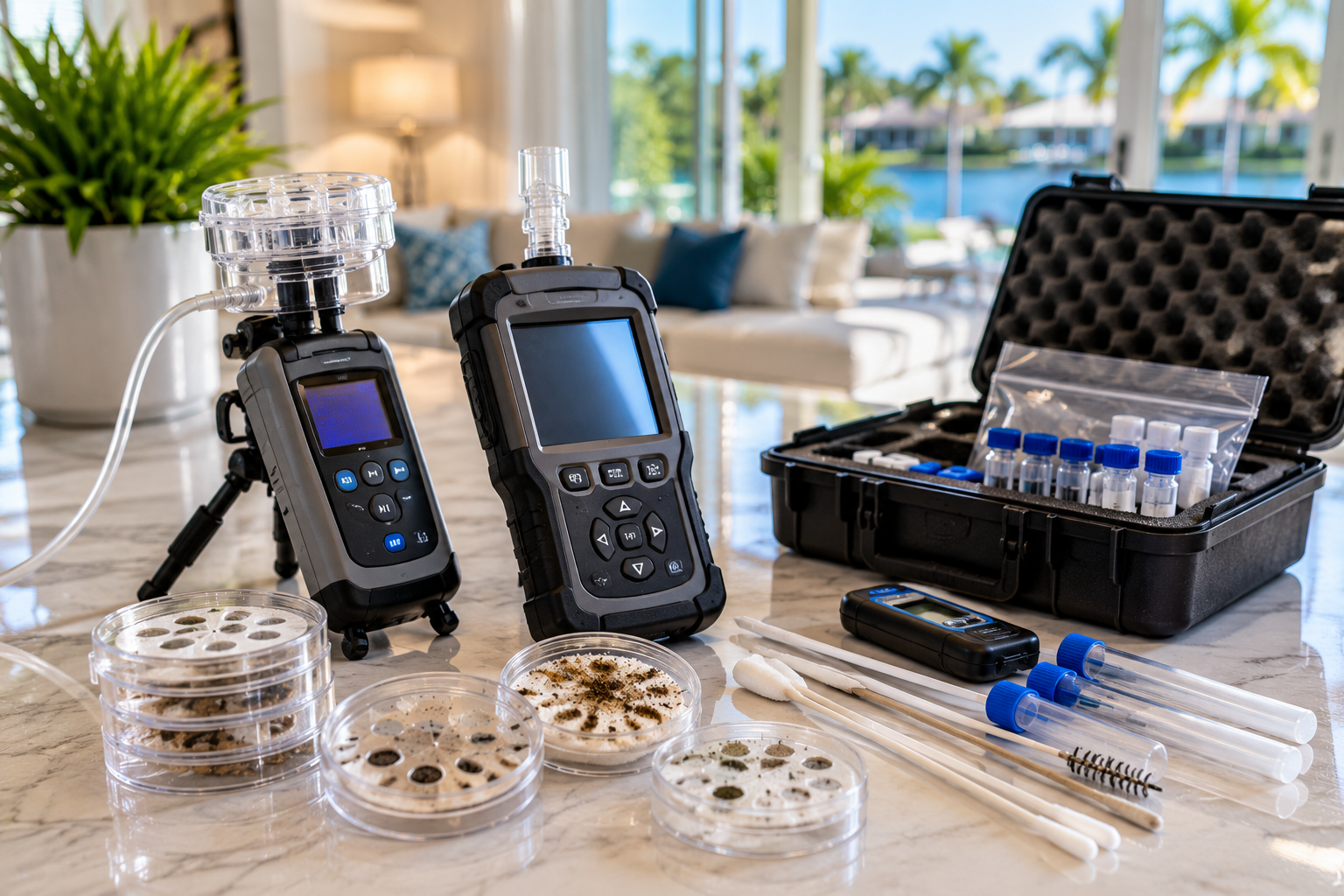
Testing may provide additional information when suspected crawlspace mold is not clearly visible or a specific sampling question remains after inspection. Results should be considered alongside subfloor conditions, ground moisture, drainage, and water-intrusion history.
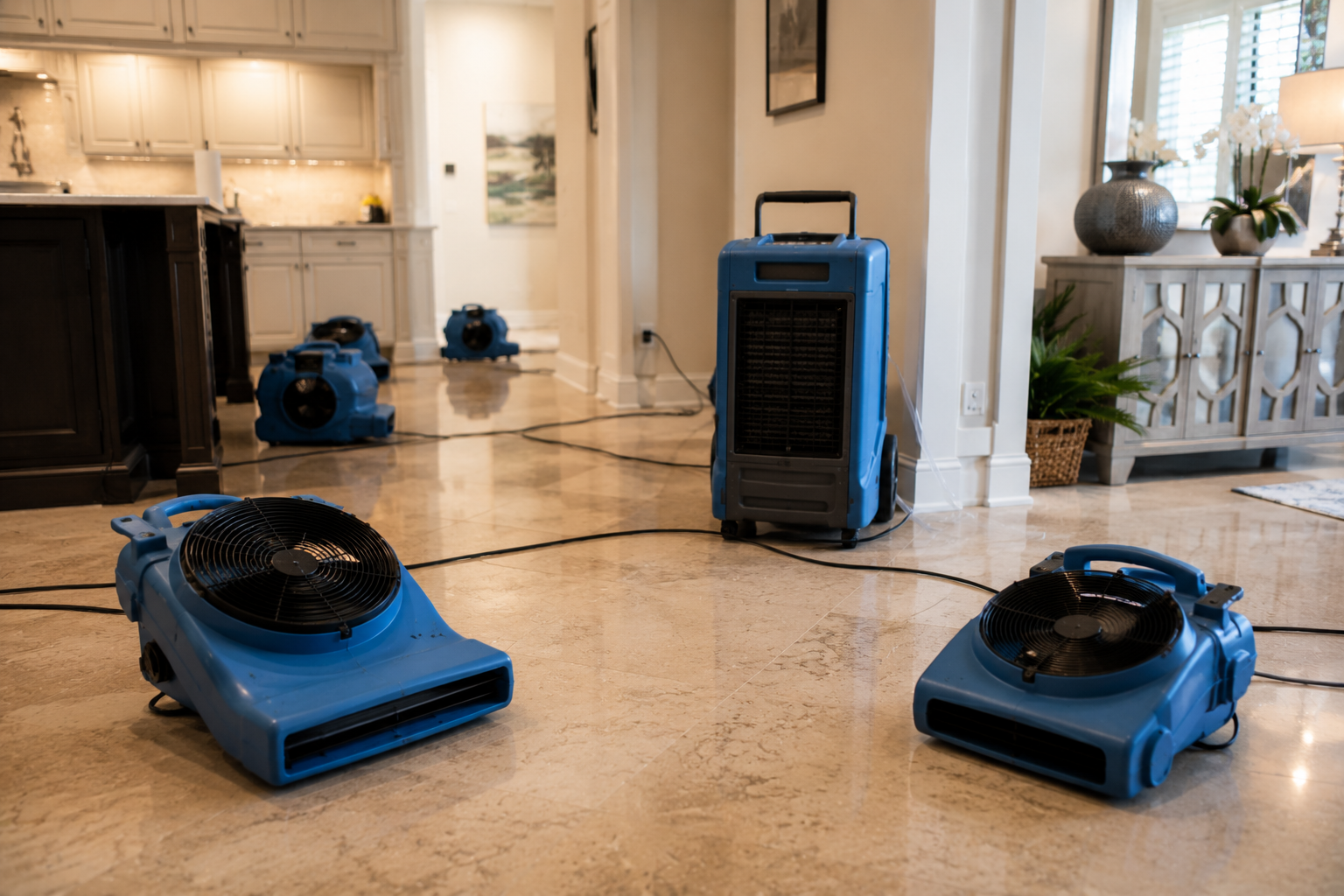
Standing water, plumbing leaks, flooding, or storm runoff may require water damage restoration, extraction, and structural drying before crawlspace mold treatment can be completed. Wet subflooring, framing, and insulation may need to be stabilized before the broader indoor mold scope is determined.
Cost Factors for Crawlspace Mold Treatment
Access limitations, subfloor conditions, drainage work, vapor barriers, and encapsulation needs can significantly change the scope of a crawlspace project.
Scope of crawlspace mold contamination
Extent of encapsulation or moisture barrier installation
Accessibility of the crawlspace area
Complexity of drainage or airflow improvements
Equipment and remediation methods required
LOCAL ESTIMATE RANGE
$1,500 - $4,000*
*Requires on-site evaluation for accurate pricing
Helpful Crawlspace Mold and Moisture Resources Before Requesting an Estimate
Before requesting crawlspace treatment, it can help to distinguish visible mold from the drainage, vapor, airflow, or ground-moisture condition supporting it. These resources can help clarify warning signs, prevention options, treatment approaches, and likely cost factors.
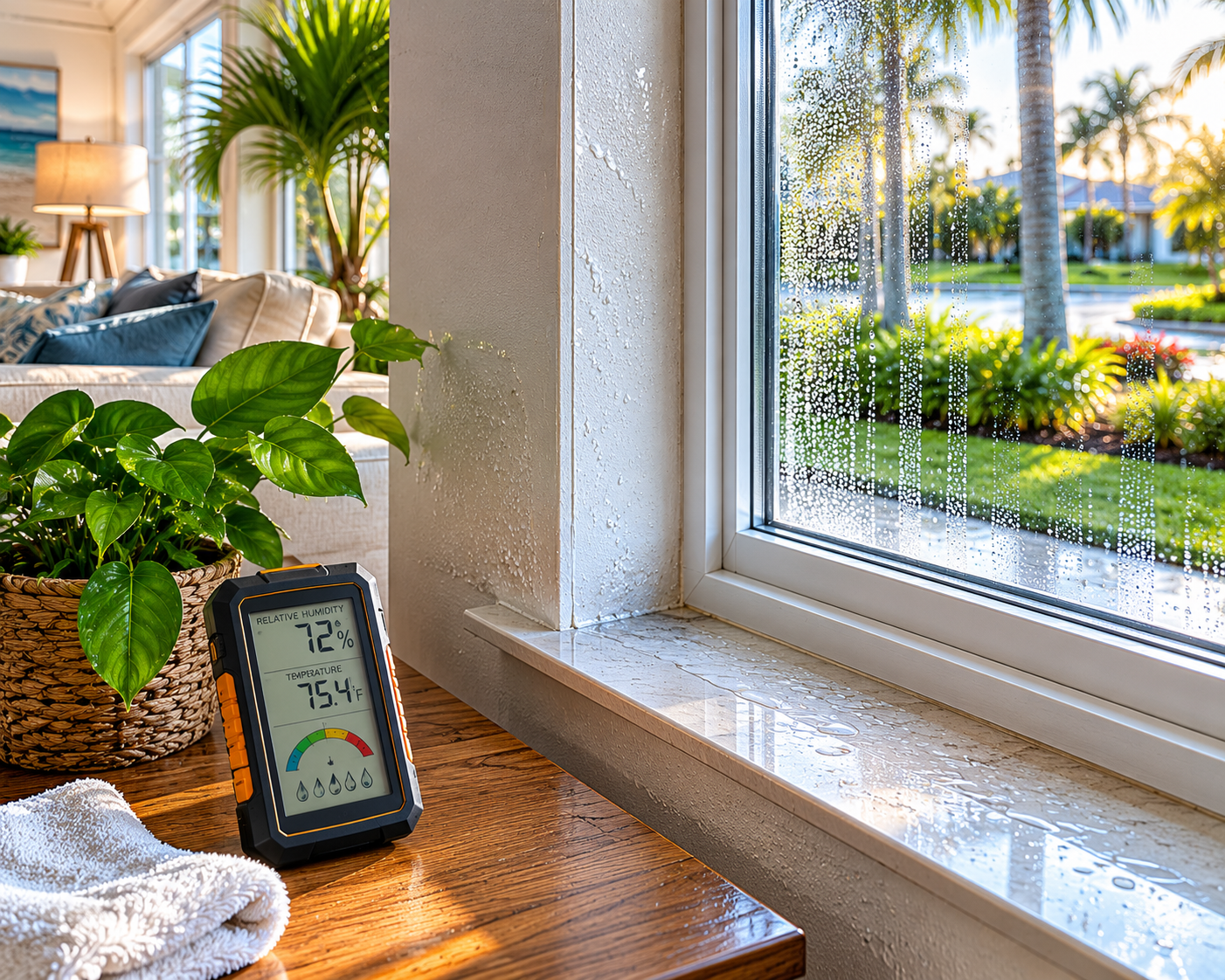
Musty odors near floors, damp subflooring, visible growth, condensation, or recurring humidity can indicate an indoor mold or moisture problem beneath the property. Review the warning signs that can help identify which crawlspace conditions should be mentioned when requesting an evaluation.

Preventing recurring crawlspace indoor mold depends on controlling ground moisture, drainage, plumbing leaks, vapor intrusion, and trapped humidity. Where flooding or standing water is involved, drying or water damage restoration may also be required before longer-term moisture-control measures are effective.
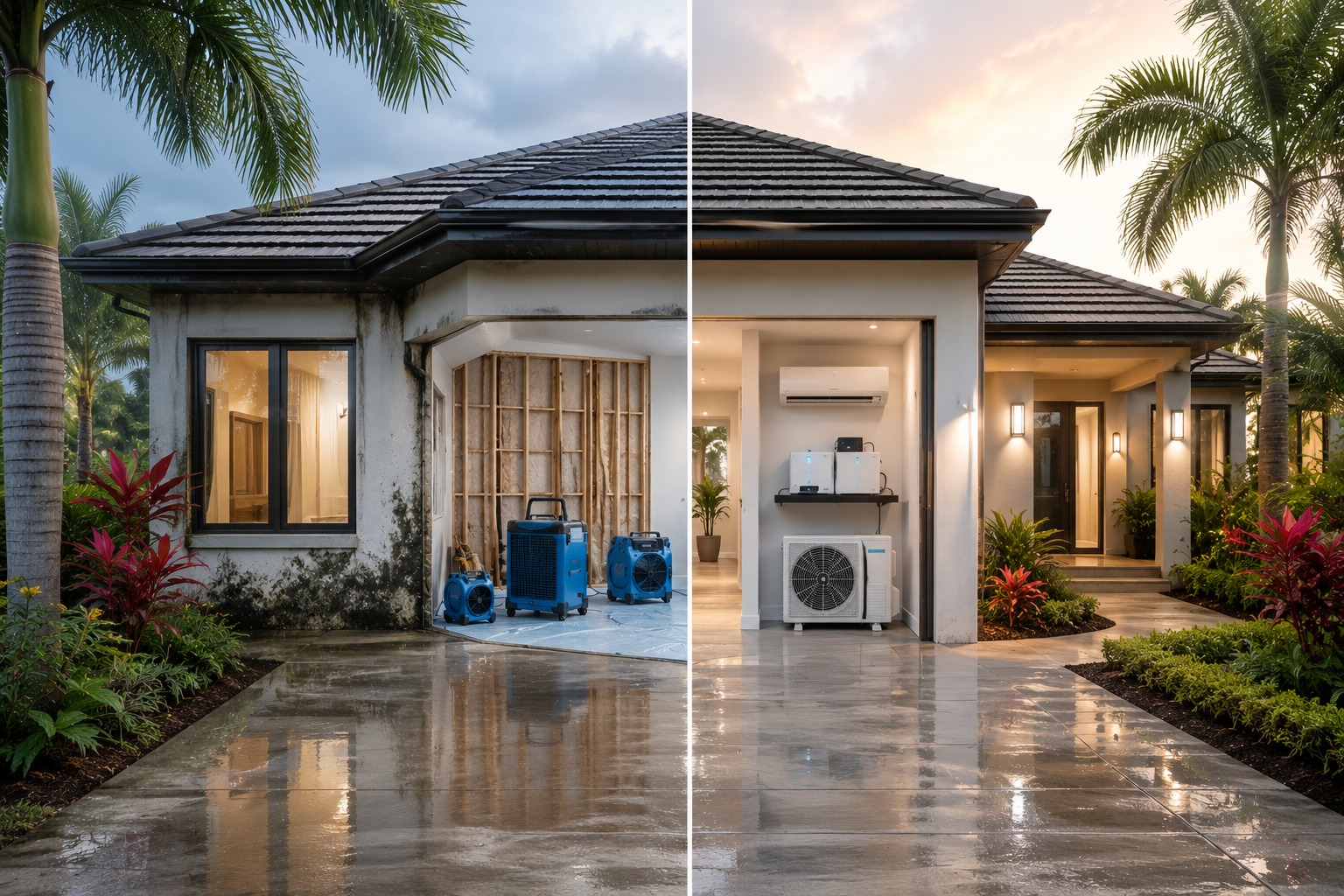
Cleaning visible crawlspace growth does not necessarily address contaminated materials or the moisture conditions supporting indoor mold. Compare limited removal with broader remediation involving containment, material treatment, drying, drainage, vapor control, or other moisture correction.

Crawlspace remediation costs can vary with access, affected framing or subflooring, drying, drainage, vapor barriers, and the extent of indoor mold. Flooding or standing-water conditions that require water damage restoration can add another component to the overall project scope.
Crawlspace Mold Treatment in Fort Myers and Nearby Lee County Communities
Crawlspace conditions across Lee County can vary with elevation, lot drainage, groundwater, storm exposure, property construction, and whether the area beneath the home is ventilated or enclosed. Service information is available for Fort Myers and nearby communities including:
Crawlspace conditions can vary across Lee County depending on elevation, drainage, lot development, and exposure to seasonal rainfall or flooding.
Request a Crawlspace Mold Treatment Estimate
Crawlspace mold in Fort Myers properties is often connected to ground moisture, drainage problems, vapor intrusion, plumbing leaks, or limited airflow.
Describe any odors, standing water, damp flooring, or drainage concerns to request a crawlspace evaluation.
Thanks for contacting us! We will be in touch with you shortly.
Please try again later.
Crawlspace Mold Treatment FAQs for Fort Myers Properties
What are the warning signs of crawlspace mold?
Warning signs can include musty odors near floors, visible growth beneath the property, damp or soft subflooring, condensation, standing water, and recurring indoor humidity. A qualified local mold professional can help determine whether the problem begins with drainage, ground moisture, vapor intrusion, limited airflow, or another moisture source.
What causes mold to grow inside a crawlspace?
Crawlspace mold is commonly connected to ground moisture, drainage problems, plumbing leaks, flooding, vapor intrusion, and inadequate airflow. Heavy rainfall and humid conditions around Fort Myers properties can make these problems more persistent when the crawlspace does not dry properly.
What does crawlspace mold treatment involve?
Treatment may include evaluating the moisture source, containing affected areas, cleaning or removing contaminated materials, drying the crawlspace, and improving moisture control. A licensed mold remediation professional can determine whether vapor barriers, ventilation changes, drainage improvements, or encapsulation should form part of the solution.
Is crawlspace encapsulation always necessary?
No. Encapsulation may be beneficial when persistent ground moisture or vapor intrusion is contributing to the problem, but it is not automatically required for every crawlspace. The appropriate fix depends on drainage, airflow, water entry, subfloor conditions, and whether the moisture source has already been corrected.
Can crawlspace mold return after treatment?
It can return if flooding, plumbing leaks, ground moisture, poor drainage, or limited ventilation continue beneath the property. Long-term control may require a combination of remediation, drying, vapor management, drainage correction, and periodic checks of the crawlspace environment.