Mold Inspection Services in Fort Myers
Mold Inspection for Hidden Growth and Moisture Problems
Mold inspection can help investigate suspected indoor mold when visible growth, musty odors, staining, recurring dampness, or hidden moisture suggest a larger property condition. The inspection should consider both the affected area and possible moisture sources, including roof leaks, plumbing problems, flooding, condensation, and previous water damage.
A licensed mold assessor or mold inspection professional can evaluate affected areas, identify moisture conditions, and determine whether testing or remediation should be considered.
In Fort Myers, humidity, heavy rainfall, roof leaks, and storm-related water intrusion are common factors worth reviewing during an inspection.
What a Mold Inspection Can Identify
Mold inspection is designed to identify problems such as:
Hidden mold growth behind walls, ceilings, or flooring
Musty odors and indoor air quality concerns
Moisture issues caused by leaks, flooding, or poor ventilation
Mold growth in attics, crawlspaces, or HVAC systems
When the source of an odor, stain, or recurring dampness is unclear, an inspection can help narrow down where moisture is entering and which areas may require further evaluation.
What to Expect During a Mold Inspection
A mold inspection should follow the moisture history of the property rather than simply look for visible growth. The inspection process may include:
01
Property and Moisture History Review
The inspection should begin by reviewing visible concerns, musty odors, previous leaks, flooding or storm history, ventilation, and areas where moisture has persisted or returned.
02
Visual Inspection of High-Risk Areas
The visual inspection should focus on areas suggested by the moisture history, including walls, ceilings, flooring, attics, crawlspaces, HVAC-adjacent areas, plumbing locations, and other spaces where staining, condensation, or water intrusion is suspected.
03
Moisture Detection and Investigation
Moisture meters, visual inspection, thermal imaging where appropriate, and targeted review of high-risk areas may help identify damp materials or concealed moisture patterns that require further investigation.
04
Findings and Testing Recommendations
Testing may be recommended when sampling would answer a specific question that cannot be resolved through visual inspection and moisture findings alone. It is not automatically necessary for every inspection.
05
Inspection Report and Next Steps
Findings should help clarify whether the next step involves moisture correction, additional testing, mold remediation, water-damage restoration, or monitoring of areas where active mold was not identified.
How Local Conditions Affect Mold Inspection in Fort Myers
Indoor mold inspection in Fort Myers often requires close attention to humidity, storm history, roof and plumbing leaks, attic or crawlspace moisture, and areas affected by previous water intrusion. These conditions can influence where hidden moisture is found and whether additional testing, drying, remediation, or water damage restoration may be appropriate.
Hidden Moisture and Indoor Humidity
High indoor humidity and slow-drying materials can create concerns behind walls, beneath flooring, and inside other areas that are not immediately visible.
Roof Leaks, Storms, and Water Intrusion
Heavy rainfall, roof damage, plumbing leaks, and storm-related water entry can help determine which areas should receive closer inspection.
Attics, Crawlspaces, and Enclosed Areas
Limited access and airflow can allow moisture to remain unnoticed in attics, crawlspaces, wall cavities, and other enclosed spaces.
Property History and Moisture Patterns
Previous flooding, repairs, ventilation problems, and recurring staining can help guide the inspection toward areas with a greater likelihood of hidden moisture.
Understanding the property’s moisture history can be just as important as locating visible mold, particularly when concerns are hidden behind finishes or inside enclosed spaces.
When to Request a Mold Inspection
A mold inspection may be a useful first step when there are warning signs of mold or moisture but the source, location, or extent of the concern is not yet clear.
Visible discoloration or suspected growth
Persistent musty odors without a clear source
Moisture stains, condensation, peeling finishes, or recurring dampness
Recent flooding, roof leaks, plumbing issues, or storm-related water intrusion
Inspection findings can help determine whether moisture correction, testing, remediation, or water damage restoration should come next.
How Moisture History Helps Define an Indoor Mold Inspection
An indoor mold inspection should follow the history and likely path of moisture rather than simply checking rooms for visible growth. Information about leaks, flooding, recurring humidity, previous drying, and water-damage repairs can help determine which building areas deserve closer evaluation.
Recent Leaks, Flooding, and Water Damage
Roof leaks, plumbing failures, flooding, and storm-related water entry can direct an inspection toward walls, ceilings, flooring, insulation, cabinets, and other materials that may have remained damp after the visible water was removed.
Recurring Odors, Staining, and Dampness
Musty odors, repeated staining, condensation, or damp finishes can help identify areas where moisture is recurring even when visible mold is limited or absent. The pattern and location of these warning signs can help narrow the inspection scope.
Hidden Areas Suggested by the Moisture Path
Water can move behind walls, beneath flooring, through ceiling assemblies, or into attics and crawlspaces. Following the likely moisture path can help identify enclosed areas where indoor mold or damp materials may otherwise remain unnoticed.
When Inspection Findings Lead to Other Services
Inspection findings may indicate that moisture correction alone is needed, or they may point toward mold testing, mold remediation, structural drying, or water damage restoration. The next step should depend on what the inspection identifies rather than assuming every mold concern requires the same service.
A useful inspection connects visible conditions with the property’s moisture history so that hidden indoor mold, active water damage, and the appropriate next step can be evaluated together.
If no active mold is found, learn more about moisture control solutions to prevent future mold issues.
Related Services That May Follow a Mold Inspection
After an inspection, the next step may involve remediation, testing, or water damage restoration depending on whether affected materials, hidden moisture, or an active water source is identified.
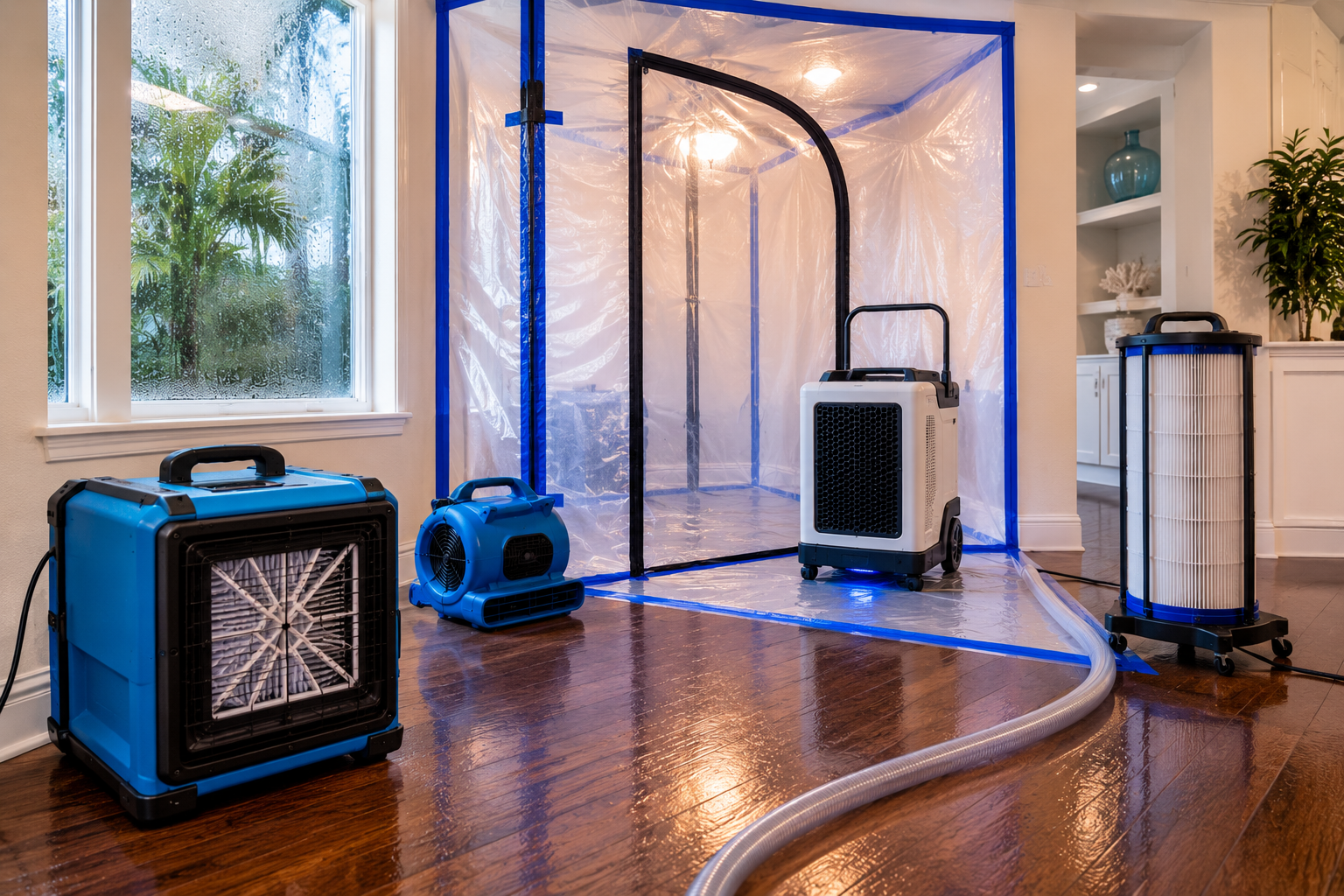
If an inspection identifies indoor mold affecting porous or concealed materials, mold remediation may be the appropriate next step. The scope can include containment, cleaning or removal of affected materials, drying, and moisture correction based on where the problem is located and how far it extends.
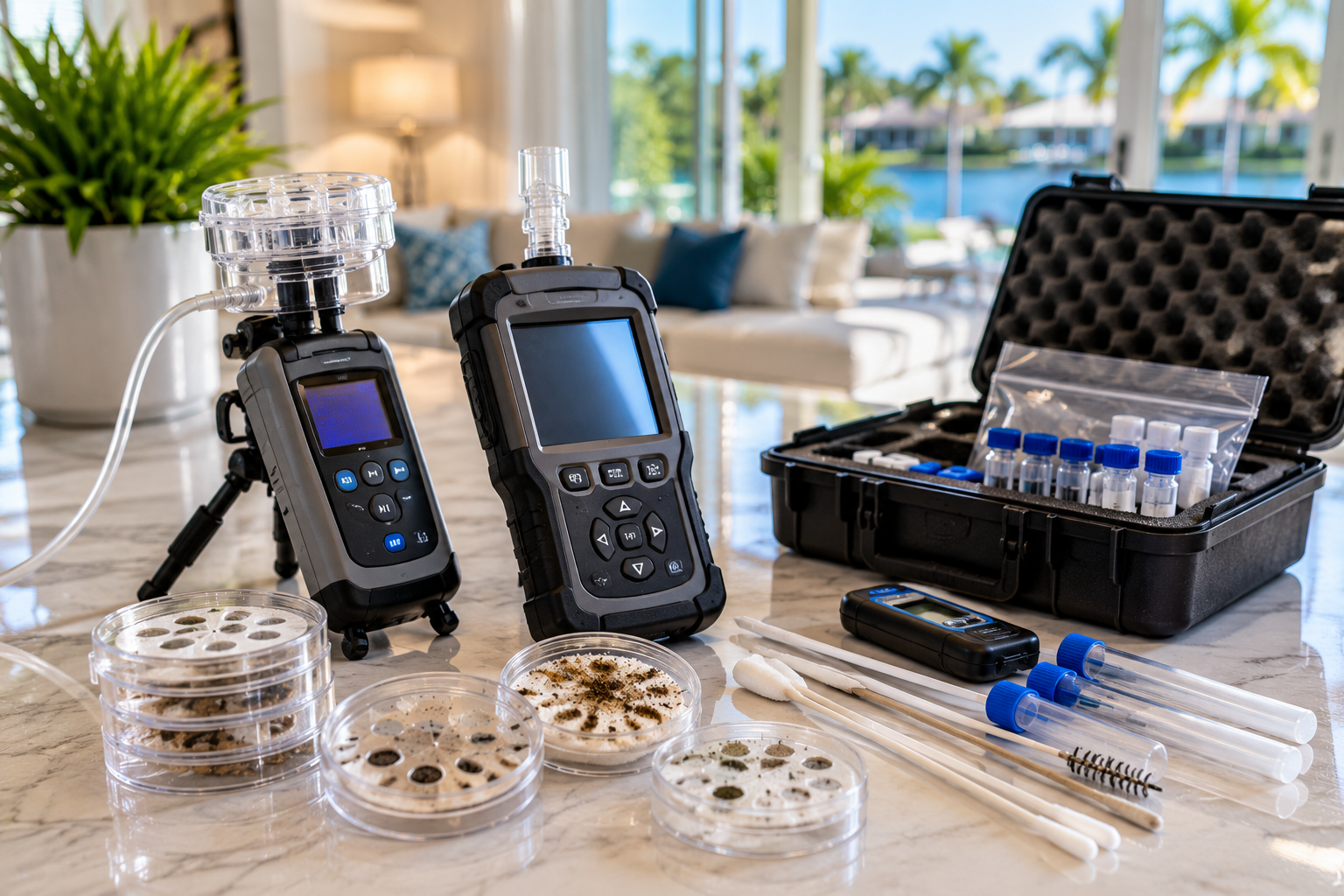
Testing may provide additional information when inspection findings leave a specific question about suspected indoor mold unresolved or when documentation is needed. A licensed mold assessor can determine whether air, surface, or material sampling would add useful information to the inspection findings.
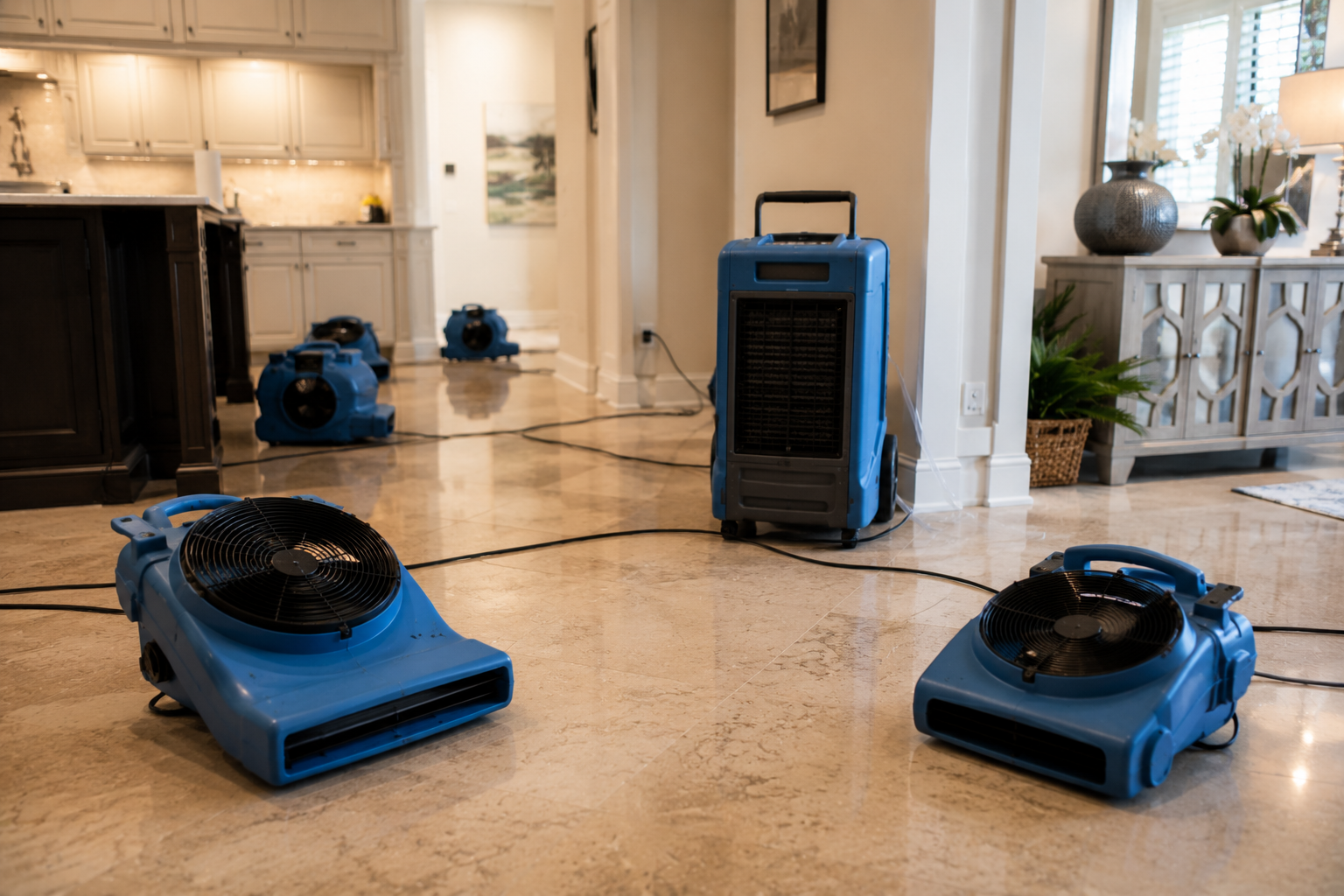
If the inspection identifies active or recent water intrusion, water damage restoration and drying may need to occur before indoor mold concerns can be fully addressed. This may apply after flooding, plumbing leaks, roof damage, or storm-related water entry affecting building materials.
Most mold inspections in Fort Myers fall within a general range of a few hundred dollars depending on the size and complexity of the property, though an on-site evaluation is required for accurate pricing.
Cost Factors for Mold Inspection
Inspection cost can vary with property size, access, moisture-detection needs, and whether sampling or laboratory analysis is recommended.
Scope of the inspection required
Sampling or laboratory analysis requirements
Accessibility of the property or affected areas
Complexity of moisture detection or contamination assessment
Equipment and testing methods needed
LOCAL ESTIMATE RANGE
$300 - $700*
*Requires on-site evaluation for accurate pricing
Helpful Mold Inspection Resources Before Scheduling an Evaluation
Before scheduling an inspection, it can help to review the warning signs that prompted the concern and whether the issue appears connected to attic moisture, crawlspace conditions, or a broader remediation question. These resources can help clarify what the inspection may need to address.

Musty odors, recurring discoloration, damp materials, visible growth, or unexplained moisture can indicate an indoor mold or moisture problem that deserves further investigation. Review common warning signs and which property conditions should be mentioned when scheduling an inspection.

Roof leaks, condensation, trapped humidity, and ventilation problems can support indoor mold around attic framing, insulation, and roof decking. Review how attic conditions are evaluated and when remediation, drying, or water-damage work may be needed after affected materials are identified.
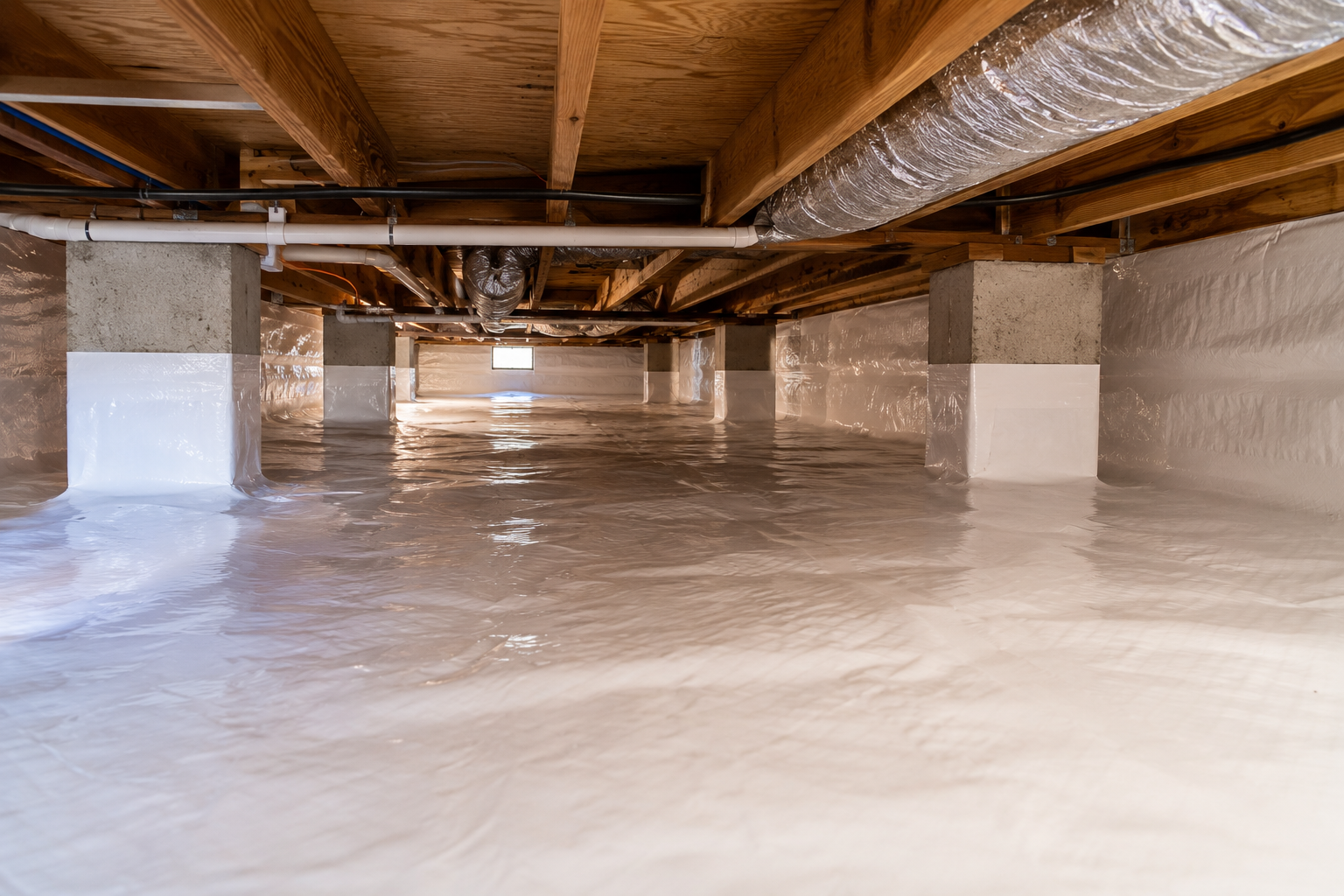
Ground moisture, drainage, plumbing leaks, vapor intrusion, and limited airflow can contribute to indoor mold beneath the property. Learn which crawlspace conditions may require closer inspection and how the underlying moisture source can influence the eventual treatment scope.

Inspection findings can help clarify whether an indoor mold concern involves limited affected materials or requires a broader remediation approach. Compare material removal with remediation that may also involve containment, drying, and correction of the moisture condition supporting the growth.
Mold Inspection Services in Fort Myers and Nearby Lee County Communities
Mold inspection requests across Lee County often involve musty odors, hidden moisture, attic or crawlspace concerns, roof leaks, flooding history, or recent storm damage. Service information is available for Fort Myers and nearby communities including:
Inspection priorities can differ across Lee County depending on coastal exposure, storm history, construction type, ventilation, and previous water intrusion.
Request a Mold Inspection
Persistent musty odors, visible discoloration, recurring dampness, or unexplained moisture may indicate a problem that requires further investigation.
Describe the warning signs you have noticed and any recent leaks, storms, or moisture history to request an inspection.
Thanks for contacting us! We will be in touch with you shortly.
Please try again later.
Mold Inspection FAQs for Fort Myers Properties
When should I schedule a mold inspection?
An inspection may be appropriate when you notice persistent musty odors, visible discoloration, unexplained dampness, recurring humidity, or damage following a leak, storm, or plumbing problem. It can also help when mold is suspected but the affected area or moisture source is not clearly visible.
What does a professional mold inspection include?
A mold inspection generally reviews the property’s moisture history, visible conditions, likely water-entry points, and areas where growth may be developing. A licensed mold assessor may also use moisture-detection equipment and recommend sampling when additional information is needed.
What is the difference between mold inspection and mold testing?
An inspection evaluates property conditions, visible growth, moisture sources, and areas of concern. Testing involves collecting air, surface, or material samples for laboratory analysis and is normally used to answer a specific question that the visual and moisture inspection cannot resolve on its own.
Can an inspection identify mold hidden behind walls or flooring?
An inspection may identify moisture patterns, odors, staining, or construction conditions that suggest hidden growth, but not every concealed area can be confirmed without additional investigation. The assessor may recommend testing, limited access, or further evaluation when moisture appears to extend into walls, flooring, ceilings, or insulation.
What happens if the inspection identifies a remediation problem?
The assessor can document the affected areas, moisture conditions, and recommended scope. If remediation is required, the work should be reviewed and completed by an appropriately licensed mold remediator rather than being treated as an extension of the inspection itself.